Let's start with the thing nobody wants to admit
Desire mismatches are the most common sexual complaint I hear from couples. One person is ready to go twice a week. The other is content every couple of months. And instead of solving it, most couples just... don't talk about it, or they talk about it in a way that makes everything worse. The higher-desire partner feels rejected. The lower-desire partner feels pressured. Everyone loses.
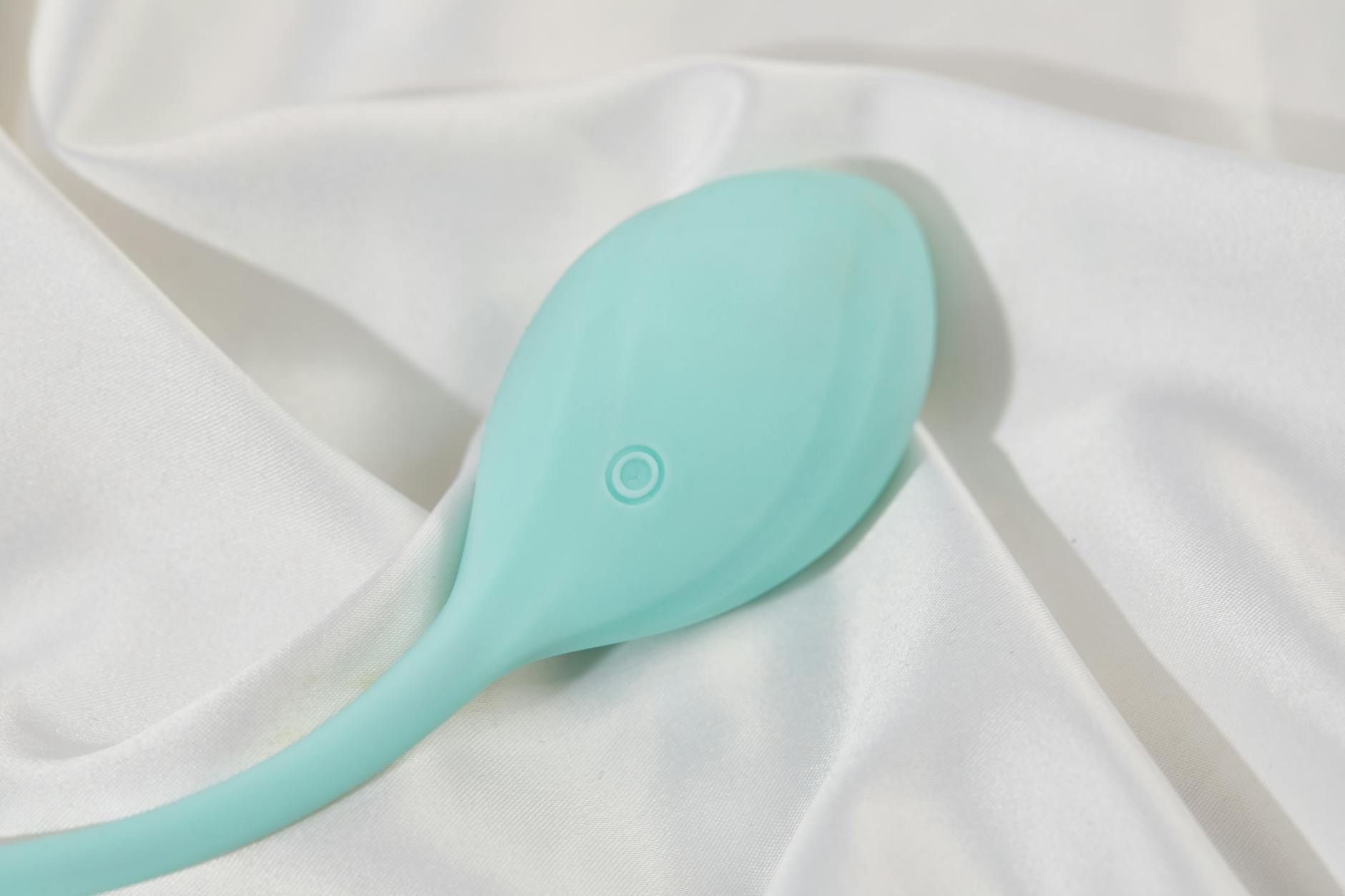
Here's what lemon vibrators and clitoral vibrators actually solve in this dynamic: they give the higher-desire partner a way to meet their own needs without that need becoming the lower-desire partner's problem. That's not a workaround. That's a real solution.
Why desire mismatches happen (and it's rarely what you think)
Most couples assume desire mismatches are about attraction. One person has "lost interest." But what I see in practice is more nuanced. Desire dips because of stress, hormones, medication, resentment from previous fights, or just baseline differences in sex drive that nobody bothered to discuss before moving in together.
The lower-desire partner often feels guilty. The higher-desire partner feels rejected and starts framing their own sexuality as something shameful or desperate. Both people end up worse off.
The shift happens when the higher-desire partner reclaims their sexuality as legitimate on its own. Using a lemon clitoral vibrator isn't a consolation prize. It's self-knowledge. It's your body, your pleasure, your timeline.
How lemon vibrators fit into a desire-mismatch dynamic
Lemon sucker toys and other clitoral vibrators work here because they're not a replacement for partnered sex. They're a third option. Instead of either having sex on a schedule that doesn't work or not having any sexual outlet at all, there's a middle path.
Specifically, three things shift:
1. The pressure dissolves. When your partner knows you have a way to meet your own sexual needs, the conversation changes from "Why don't you want me?" to "Here's what works for both of us." Pressure kills desire, especially for lower-desire partners. Removing it often improves the desire dynamic across the board.
2. You stay connected to your own body. Higher-desire partners who suppress their sexuality often dissociate from it entirely. Using a lemon clitoral vibrator solo or with your partner present keeps that connection alive. You're not asking permission. You're not performing. You're just... having pleasure.
3. Couples can experiment together without compromise. If you introduce a lemon vibrator into partnered sex, the lower-desire partner often finds that the experience is different from what they expected. Lower stakes, less performance pressure, more room for actual sensation. Many couples tell me the lemon vibrator ended up bringing them closer, not further apart.
The practical intro: how to bring it up
The conversation matters more than the toy. Don't lead with "I need to buy a vibrator because you're not interested enough." That's weaponizing it.
Instead, try something like: "I've been thinking about my own pleasure more. I want to explore this with a device. I'm not saying anything's wrong with us. I'm saying I want to know my own body better. Would you be okay with that?"
Then listen. If your partner feels threatened, that's information. It usually means they're worried the toy is replacing them, or they're uncomfortable with their partner's sexuality in general. Both of those are conversations worth having, but not in the moment you're introducing the toy.
Many partners actually become curious. "Can I watch?" or "Can we use it together?" These aren't threatening questions. They're invitations to explore something new as a unit.
Choosing the right lemon vibrator for couples
If you're planning to use it together, the device matters. You want something that isn't noise-heavy, something intuitive to use, and something that doesn't require a 20-minute tutorial mid-sex.
The lem vibrator, for example, uses suction technology instead of vibration, which means less noise and a different sensation profile. If your partner is joining, they can see exactly what's happening. No mystery. No performance pressure. Just sensation.
Start with a lower intensity. Many couples who use lemon sexual toys together make the mistake of going straight to maximum power. You're not trying to prove anything. You're exploring sensation together. Patterns 1 or 2 on a device like the lem vibrator often feel more intimate than full blast.
The solo use conversation
Some couples agree the toy stays just for partnered time. Others find it's helpful for solo use between sex dates. Both are fine. What matters is that you've discussed it.
If you're using a lemon clitoral vibrator solo while in a long-term relationship, you might feel guilt. Don't. Your body has sexual needs. Your partner's lower desire doesn't cancel that out. It just means you have different rhythms.
Many lower-desire partners actually feel relieved when their higher-desire partner has an outlet. One woman told me her husband using a vibrator solo gave her permission to say "I'm not in the mood" without feeling like she was rejecting him. That's a win for both people.
When it backfires (and how to fix it)
Sometimes introducing a lemon vibrator makes things worse, at least initially. The lower-desire partner feels like they've been replaced. The higher-desire partner feels resentful that the toy is "better" than partnered sex. These are real emotional responses, and they need to be addressed.
The fix is to separate the emotions from the logistics. "I love having sex with you. This is about me needing more sexual outlet than you do right now. They're not connected." Repeat it a few times if you need to. Feelings don't respond to logic, but they do respond to consistency.
If the resentment is deep, couples therapy is worth considering. Desire mismatches often point to bigger relationship issues: communication breakdown, loss of emotional intimacy, or just incompatible expectations about sexuality from the start.
What actually helps long-term
Lemon vibrators and clitoral vibrators aren't the whole solution. They're part of one. The real work happens in how you talk to each other about desire, pleasure, and difference.
Specific things that shift the dynamic:
Scheduling sex dates, even if it sounds unromantic. It removes spontaneity pressure and gives the lower-desire partner time to mentally prepare. It also ensures the higher-desire partner isn't left in a constant state of uncertainty.
Having separate conversations about pleasure and intimacy. Sometimes desire issues masquerade as sexual issues when they're actually emotional distance. Do you feel seen by your partner? Do they know what you actually like? Start there.
Accepting that mismatches might not fully resolve. Two people might always have different baseline desires. The goal isn't sameness. It's respect and creative problem-solving. A lemon sucker or other clitoral vibrator is part of that toolkit.
The reframe that changes everything
Here's what I tell couples: Your desire mismatch is not a failure. It's information. One of you naturally wants sex more often. That's not broken. It's just true. The question isn't how to make both people want sex at identical frequencies. It's how to honor both people's needs without resentment.
Using lemon sexual toys as part of that solution is smart, not desperate. It's mature. It's saying "I respect that we're different, and I'm not going to make that my partner's problem."
That's the foundation for actual intimacy.
Frequently asked questions
What if my partner feels replaced by a lemon vibrator?
Talk about it directly, but not during sex or immediately after introducing the toy. Ask them specifically what they're worried about: Are they afraid you'll stop wanting them? Are they uncomfortable with vibrators in general? Are they feeling insecure about their own sexual performance? Each answer needs a different conversation. Most of the time, partners feel better once they realize the toy is about sexual outlet, not about them failing you.
Can we use a lemon clitoral vibrator if we have mismatched desires and we never have sex?
Yes, and it might actually be the entry point to having sex again. Some couples use it solo in front of their partner as a way to reconnect without the pressure of penetrative sex. Others start with the vibrator and find it lowers the stakes enough that they want to move into partnered sex naturally. There's no one path.
Should I hide my lemon vibrator use from my partner?
No. Hiding it usually makes things worse if they find out. Secrecy reads as shame, and shame makes it harder to solve the underlying desire mismatch. If you're uncomfortable telling your partner, that's worth sitting with. Sometimes it points to deeper relationship issues that need attention.
Is using a vibrator cheating if you're in a committed relationship?
Not unless you and your partner have agreed it is. Some couples see solo vibrator use as completely fine. Others want to be involved or to know it's happening. The only rule that matters is the one you've both agreed to. Talk about it.
How do I know if the lem vibrator or another lemon sucker toy is right for our dynamic?
Try starting with something mid-range in price and sensation. The lem vibrator is popular because it uses suction instead of vibration, which feels less clinical and more intuitive for many people. But ultimately, what matters is that it's something you're both curious about. Spend a few minutes looking at reviews together. Make it collaborative.
What if my partner has low libido because of medication or hormones?
A vibrator doesn't fix hormonal imbalances or medication side effects. If that's the root cause, it's worth talking to a doctor about whether there are alternatives or adjustments that might help. But a lemon clitoral vibrator can still be part of the solution while you're working on the bigger issue. It's not either-or.
What happens next
Introducing a lemon vibrator into a desire-mismatch dynamic requires honesty, patience, and a willingness to talk about something most couples avoid. But it also opens up a conversation that's been stuck.
Your partner's lower desire doesn't make you shameful for wanting more. Your higher desire doesn't make them broken. You're just different. A vibrator isn't magic, but it can be the tool that lets you both breathe again.
If you're struggling with how to navigate this or if introducing a toy into your relationship feels too complicated, reaching out for support is worth it. Whether that's couples therapy, a trusted friend, or just writing out your thoughts, sometimes an outside perspective helps. We're here to support whatever you need.