Let's start here: depression isn't laziness, it's anesthesia
When clinical depression hits, one of the first things that vanishes is sensation. Not willpower. Not interest in having a good life. Just your ability to feel much of anything at all. Your body becomes muted, like someone turned the volume down on every nerve ending. That includes sexual sensation, which catches people off guard because nobody warns you about that part.
Returning to solo pleasure after depression is not about being broken. It's about rewiring a system that got switched off temporarily. And it's absolutely doable.
How depression mutes sensation in the first place
Depression is a neurochemical event, not a character flaw. It dampens dopamine and serotonin, the same neurotransmitters that light up during pleasure. Your clitoris still has the same nerve density. Your brain still has the same capacity for orgasm. But the electrical signals between them move slower, require more stimulus, or don't register at all.
This happens to roughly one in three people who experience depression. So if you've noticed that touch doesn't feel like much, that arousal takes forever, or that nothing seems to work down there anymore, you're not the only person experiencing this. It's a documented physiological response. It's temporary. And it responds really well to the right tools.
Why lemon clitoral vibrators work differently for returning pleasure
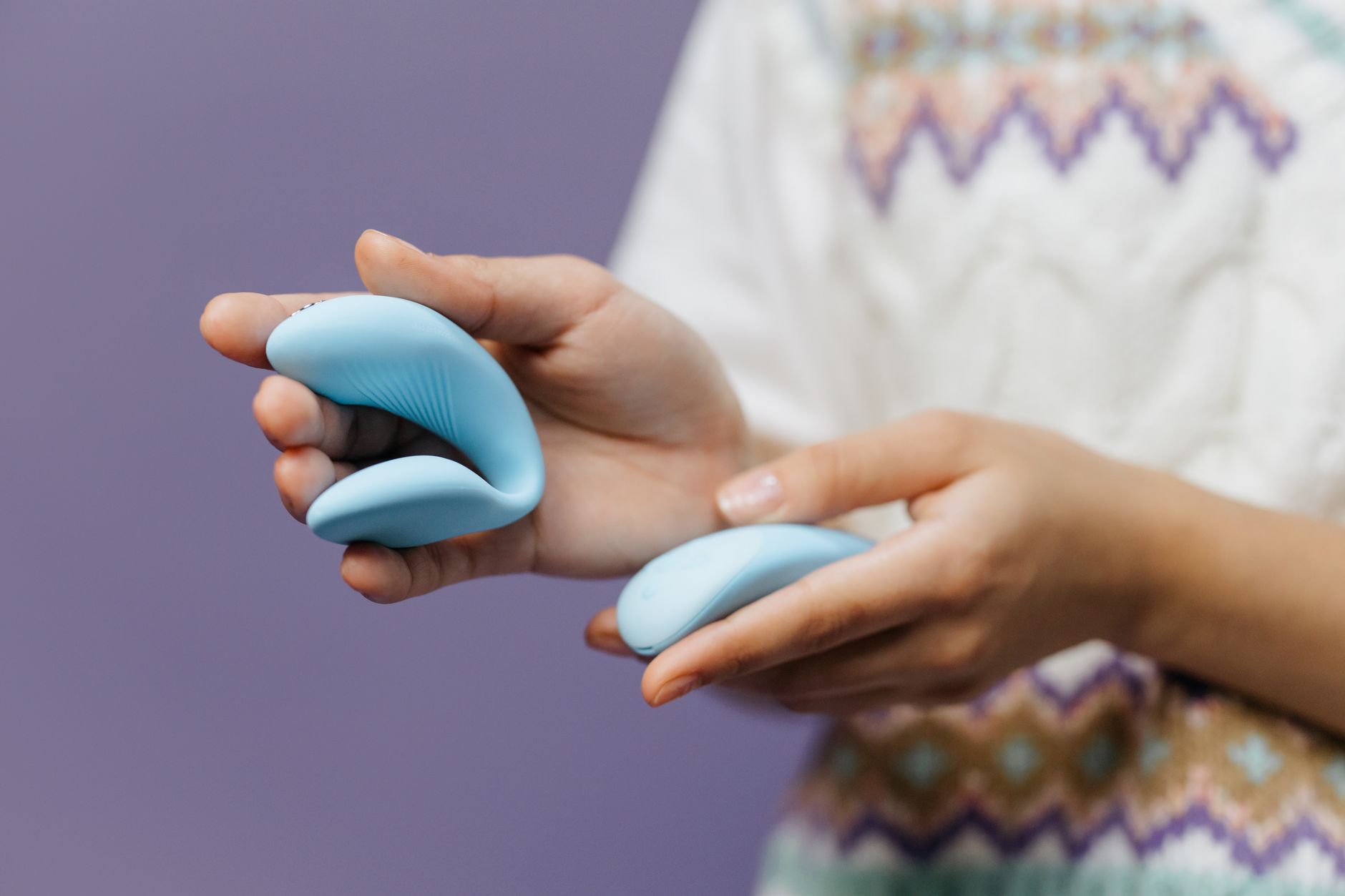
Here's the thing about Lemon vibrators when you're coming back from depression. They work through suction and pulsation patterns, not just friction. This matters because your nervous system is already overwhelmed. You don't need a jackhammer. You need something that gently wakes up sensation without triggering overwhelm.
Lemon clitoral vibrators deliver targeted air-pulse stimulation that mimics the body's natural rhythm. When sensation is dampened, this type of stimulation can reach nerve endings more effectively than traditional vibration alone. The sucking motion is also psychologically reassuring. It feels less clinical and more like an extension of partnered touch, which lowers the shame barrier that often comes back with depression.
The other advantage: control. Most Lemon vibrators have multiple intensity settings. You can start at the gentlest pulse and work up as sensation returns. That control matters psychologically when you're rebuilding trust in your own body.
The first step: permission without pressure
When you're coming back from depression, the biggest obstacle isn't physical. It's mental permission. Your brain might be telling you that you should want sex or pleasure before you actually do. That story kills the whole thing.
Solo exploration with a tool like a lemon clitoral vibrator removes the performance element entirely. There's no partner waiting. There's no timeline. You're not doing this to prove you're "fixed." You're doing it because your body deserves to feel good again, and that's reason enough.
Start with zero expectations. Sit with the vibrator for five minutes with no goal of orgasm. Just notice texture, warmth, the weight of it in your hand. This sounds silly, but touch sensitivity returns faster when you're observing without judgment. You're rewiring your nervous system to accept sensation again. That takes time.
Building the practice gradually
Depression recovery isn't linear. You'll have days where sensation comes back, and days where it disappears again. That's not a setback. That's the actual process of healing.
Here's what I recommend to clients rebuilding solo pleasure:
Week one: five minutes of exploration. No climax goal. Just time with your body and the tool. Notice what feels neutral, what feels ticklish, what feels nice. Lemon vibrators are perfect for this because the intensity can stay low.
Week two: extend to ten minutes. Start at setting one and move up only if you want to. Notice what patterns feel best. Some people discover they prefer the pulsing mode. Others want steady stimulation. Your body will tell you.
Week three onward: extend time and intensity only if it feels good. If it doesn't, stay where you are. Healing isn't a race.
The role of your nervous system
Depression damages your window of tolerance. That's the zone where you can actually feel pleasure without becoming overwhelmed or numb. Rebuilding that window means slowly expanding your capacity to feel without shutting down.
This is where Lemon vibrators excel. They give you control. You can pause anytime. You can drop the intensity. You can stop completely and come back tomorrow. That agency itself is healing. After depression tells you that you have no control, getting it back matters.
When to reach out for extra support
If you're still in active depression treatment, talk to your provider about sexual side effects. Antidepressants like SSRIs can flatten sensation, which stacks on top of the depression itself. Some adjustment in medication timing or type can help. It's not weakness to ask for that adjustment.
If sensation doesn't return after six weeks of gentle practice, that's also worth mentioning to your doctor. Sometimes there's a physical component (like reduced blood flow) that needs attention. Sometimes it's a sign that your current treatment plan needs tweaking. There's no shame in that conversation.
The mental game: rebuilding trust in your body
Depression teaches your body to betray you. Sensation, energy, motivation, pleasure. They all disappear without warning. Rebuilding is as much about psychological safety as it is about physical sensation.
Using a lemon clitoral vibrator solo gives you a chance to practice trust in a low-stakes environment. Your body delivers sensation. You notice it. You feel okay. You're not expecting orgasm or performance. Just moment-to-moment aliveness.
That's actually the whole point. Depression tries to convince you that you're broken. Solo pleasure with the right tool proves otherwise.
What "success" actually looks like
You don't need to come. You don't need to feel amazing. Success during depression recovery looks like: noticing something felt good, even if just for ten seconds. Showing up to your own body again after it let you down. Touching yourself without shame. Any of those things is a win.
Most people find that orgasms return after sensation returns. They often come back stronger and weirder than they were before depression. That's actually common. Your nervous system reroutes itself. But that's not the goal right now. The goal is just reconnection.
FAQ
Can I use a lemon clitoral vibrator if I'm still taking antidepressants?
Absolutely. Many people do, and it works fine. Some SSRIs can make orgasm harder to reach, but sensation itself usually responds well to vibration. If you're struggling with sexual side effects from medication, that's worth discussing with your psychiatrist. Sometimes timing the dose differently or switching medication can help. The vibrator isn't a substitute for that conversation, but it's a useful tool while you're figuring it out.
How do I know if I'm using it too much or becoming dependent on it?
There's a difference between using a tool regularly and psychological dependency. Regular use during recovery is healthy. Dependency would look like: you can't come without it, you feel shame about using it, or you're using it to avoid dealing with underlying depression. Solo pleasure tools aren't harmful. Shame about them is. If you're questioning whether your use is healthy, that's usually a sign to check in with a therapist, not to stop using the vibrator.
What if my partner wants to participate once I rebuild sensation?
That's a conversation to have separately from your solo practice. Solo exploration helps you map your own body without performance pressure. Once you know what you like, involving a partner is a choice, not a requirement. Many people find that rebuilding solo pleasure first actually improves partnered sex because they're no longer expecting their partner to fix them. They're coming to the table knowing what works for their body.
Does it matter which lemon vibrator I choose if I'm coming back from depression?
The Lemon Clitoral Vibrator is designed with multiple intensity settings and a gentle suction pattern, which is ideal when you're returning to pleasure. The graduated settings let you start super low and work up only when your nervous system is ready. That control is really valuable during recovery. Other lemon sexual toys work differently, so the type does matter when you're rebuilding sensation.
How long until I feel normal again sexually?
There's no fixed timeline. Some people notice sensation returning within weeks. Others take months. It depends on how long you were depressed, how severe it was, whether you're in treatment, and individual neurology. The good news is that rebuilding is possible even if it takes longer than you'd like. Consistent, pressure-free practice with a tool you trust accelerates the process. What matters is showing up to your own body without judgment.
What if nothing feels good even with a vibrator?
That's not a sign that you're broken. It might mean you need a different intensity pattern, or more time, or a medication adjustment. Some people find that adding warmth (a heating pad), changing the environment, or using the tool at a different time of day makes a difference. If you've been consistent for 8-12 weeks and sensation still isn't returning, check in with your doctor. Sometimes depression needs a treatment adjustment, and that's okay. The vibrator is a tool, not a cure.
You're not starting from zero
Your body hasn't forgotten how to feel pleasure. Depression just muted the volume temporarily. Using lemon clitoral vibrators during recovery gives your nervous system a chance to remember slowly, without shame, without audience, without timeline pressure.
If you have questions about rebuilding pleasure or need support navigating depression and sexuality, reach out to us. We're here to help.