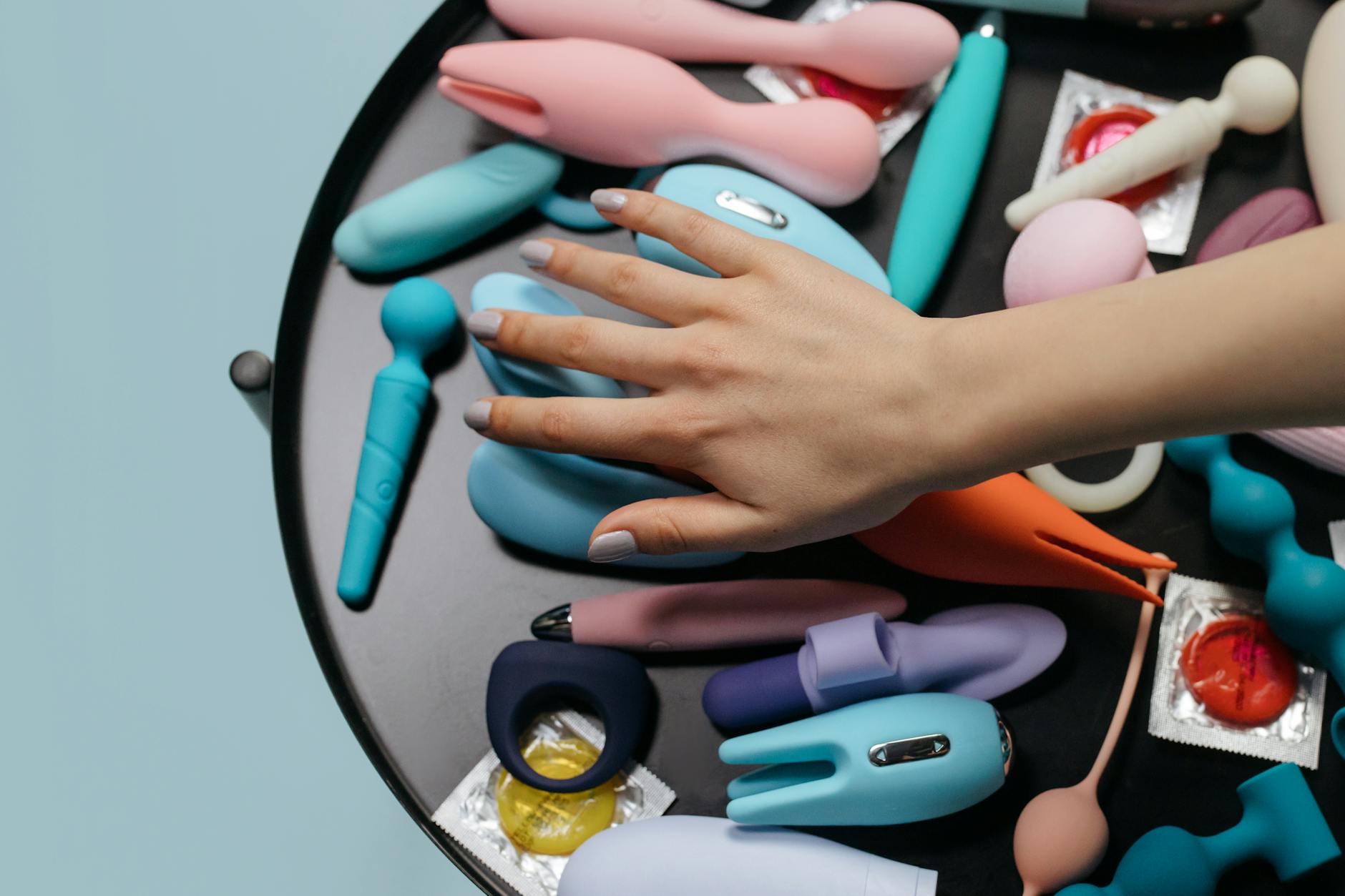
The fundamental difference nobody explains clearly
Let's cut straight to it. Wand vibrators buzz at your clitoris. Lemon vibrators, like the Lem, use suction to gently pull and stimulate the tissue. That's not semantics. That's a completely different stimulus hitting different nerve clusters, which means your body might respond to one and not the other. Or might prefer one for different reasons.
I work with couples and individuals navigating pleasure for decades, and the number of people who say "I thought vibrators just didn't work for me" and then find their answer with a suction-based lemon vibrator is genuinely striking. It usually comes down to this one mechanical difference.
How wand vibrators actually work
Traditional wand vibrators, often egg-shaped or bullet-shaped, use oscillation. The head vibrates side to side at a frequency that ranges from about 7,000 to 13,000 cycles per minute depending on the model. This rapid vibration creates friction against the clitoral tissue.
For many people, this works beautifully. The stimulation is direct, fast, and predictable. You can control intensity with a dial or button, and the sensation ramps up pretty quickly.
But here's where it gets tricky. That direct friction works best on skin that's already thick enough to handle it comfortably. Some people have more sensitive clitoral tissue, or tissue that hasn't been exposed to much stimulation before. For them, a wand can feel overwhelming, too intense, or even slightly painful. Others find that after years of wand use, their tissue becomes less responsive to that particular stimulus. It's not that your body broke. It's that it adapted.
How lemon clitoral vibrators work differently
Lemon vibrators operate on a suction principle. The device creates a gentle seal around the clitoral head and uses rhythmic pulsing or suction patterns to stimulate the tissue without direct contact. Instead of friction, you're getting gentle pulling and release, which engages the whole clitoral structure (yes, the clitoris is way bigger inside your body than what you see).
This approach has a few built-in advantages. First, there's no direct friction, which means less potential for irritation or sensitivity issues. Second, the suction activates a broader neural network because it's not just buzzing one spot. Third, the sensation often feels more diffuse and building, rather than sharp and immediate.
The Lem is specifically engineered with multiple suction intensity levels so you're not locked into one sensation. You can start gentle and work up, or bounce between patterns. That flexibility matters because pleasure isn't static. What feels amazing for the first five minutes might get boring. Being able to shift the stimulus helps.
Why one works when the other doesn't
I've seen this pattern enough times that it's worth spelling out. Someone tries a wand vibrator, doesn't get results, and assumes their body doesn't respond to vibration. Then they try a lemon suction vibrator and suddenly everything changes.
Why? Three main reasons.
Tissue sensitivity. If your clitoral tissue is on the sensitive side (or has become sensitized from trauma, hormonal shifts, or medication like SSRIs), direct vibration can overstimulate the nerves. Suction is gentler because it doesn't create that same direct friction.
Adaptation. If you've used a wand for years, your nerve endings might have downregulated. A completely different stimulus type can wake them back up. How Lemon Clitoral Vibrators Take Longer to Work After Traditional Vibrators digs into this more, but the basic idea is that switching stimulus types is often the reset button.
Anatomical variation. Clitorises vary wildly in size, positioning, and how much internal structure they have. A wand might be working from the wrong angle for your specific anatomy. Suction is more forgiving because it creates a seal and works with whatever you've got.
The practical differences when you're using them
Let me walk through the actual experience side by side.
With a wand, you're usually placing the head directly on your clitoris and holding it there, or moving it in small circles. Pressure matters. The harder you press, the more intense the sensation. That's useful when you want direct control, but it also means you have to be precise about positioning. If the angle is slightly off, the whole thing might feel wrong.
With a lemon vibrator, you're creating a seal and letting the suction do the work. Positioning is less critical because the seal is doing the job. You're also getting the benefit of that vacuum-like sensation, which many people describe as deeper or more satisfying than surface vibration. The experience often feels more about building gradually than hitting a switch.
Wand vibrators tend to produce results faster. If you need orgasm in ten minutes, a wand is usually the move. Lemon vibrators often take longer to build, but that curve can feel more textured and less one-note.
Intensity and sensation range
Wand vibrators typically offer a wider range of raw buzz intensity. You can get some truly powerful models that deliver high-frequency vibration across multiple speed settings. If you crave intensity, that's valuable.
Lemon vibrators focus on pattern and rhythm variation within a more moderate intensity range. Instead of "this goes from soft buzz to nuclear vibration," it's more like "here are eight different ways the suction pulses." That pattern variety is often more interesting over time than intensity alone. You're not chasing more power. You're exploring different rhythms.
Recovery and sensitivity the next day
Someone asked me about this recently and it's a real consideration. Heavy wand vibrator use can sometimes leave the clitoris feeling a bit tender or overstimulated the next day. It's not damage, but it's that sensation of "I did a lot" the way your legs feel after a long run.
Lemon vibrators, because they use suction rather than friction, typically produce less post-pleasure soreness. Your tissue isn't being buzzed aggressively. You can use them more frequently if you want to without that overtired feeling.
Cost, durability, and maintenance
This matters less than sensation, but not zero. Wand vibrators come in wildly different price points. You can get a decent one for $25 or spend $200. Most are reliable and durable because the mechanism is simple.
Lemon clitoral vibrators are usually a higher investment, but they're specifically engineered. The Lem is built to last, the motor is designed for that suction mechanism, and they typically hold up better over years of use. You're not buying a cheap toy and hoping it lasts. You're buying something built for the job.
Both are easy to clean. Wands are often fully waterproof or water-resistant. Lemon vibrators usually are too, which matters for pleasure and safety.
When to pick wand, when to pick suction
Choose a wand vibrator if you like direct, predictable stimulation and you've had good results with them before. If you know what intensity level works for you and you want it fast, a wand is reliable.
Choose a lemon suction vibrator if wands haven't worked for you, if you have sensitive tissue, if you're recovering from antidepressants that dulled sensation, or if you want to reset after years of one toy type. Also choose suction if you like variety and pattern exploration over pure intensity.
Really, the best answer is: if you have the room in your pleasure budget, having both opens options. Different moods want different tools. Some mornings you want the reliability of a wand. Some nights you want the slow build of suction.
The science of clitoral response
Your clitoris has about 8,000 nerve endings in the visible part alone, and the whole structure (most of which is internal) responds to different types of stimulation. Vibration primarily activates Pacinian corpuscles, which respond to rapid frequency changes. Suction activates Meissner's corpuscles and other mechanoreceptors that respond to sustained pressure and rhythm changes.
In other words, you're not just choosing between "buzzy" and "sucking." You're choosing between different neural pathways. That's why one might produce an orgasm and the other might not. It's not a personal failing. It's anatomy.
FAQ
Are lemon vibrators better than wand vibrators?
Not universally. They're different tools that work for different people and different moments. Some people prefer wands exclusively. Others find their answer with suction. Many people use both depending on mood and what their body needs that day. "Better" depends entirely on your tissue, your sensitivity, and what sensation you're chasing.
Can I switch from a wand to a lemon vibrator without retraining my body?
Yes, but it might take a few sessions. If you've been using a wand for years, your body knows that stimulus. A lemon vibrator will feel slower and more diffuse at first. That's not bad. Give it three to five sessions before deciding. Many people experience a kind of sensory reset where the clitoris wakes back up to a different stimulus type.
Do lemon vibrators work if traditional vibrators haven't?
Often yes. If wands haven't produced results, it's usually because the stimulus type doesn't match your tissue or anatomy. A suction-based lemon vibrator hits differently and frequently works when buzzing doesn't. That said, sometimes the issue is technique, positioning, or not giving yourself enough time. But the mechanism difference is significant enough that it's worth trying.
Will a lemon vibrator feel like I'm using two things at once?
No. Suction vibrators create one unified sensation. It might feel like gentle pulling and release, but it's a single tool doing one job. It's not vibration plus suction. It's suction that pulses or varies in intensity.
Which is quieter?
Lemon vibrators are typically quieter because they don't use the same kind of oscillating motor. A wand on high can be pretty audible. That matters if you have roommates or you're privacy-conscious. Suction vibrators are generally discreet.
Can men or people with penises use wand vibrators better than lemon vibrators?
Wands can be used externally on any body, and plenty of people do. Lemon vibrators are clitoris-focused by design, though the principles apply to any sensitive tissue. The difference in what works comes down to individual preference and anatomy, not gender.
The real takeaway
Wand vibrators and lemon clitoral vibrators work on completely different principles. One uses vibration and friction. One uses suction and rhythm. For some people, this means one works and the other doesn't. For others, both work but feel different enough that you'd want both.
If you've tried wands and felt like "maybe vibrators just aren't for me," a lemon suction vibrator might be your actual answer. If wands have worked great for you, there's zero pressure to switch. Pleasure isn't about having the right toy. It's about having options that match your body.
Have questions about which approach might work for you? I'm here to help. Reach out at /contact and we can talk through what might suit your body and your situation.