Let's be honest about what medications do to your body
SSRIs, antipsychotics, mood stabilizers, and blood pressure medications don't just change your mood or your heart rate. They change how your body experiences pleasure at the neurological level. Serotonin reuptake inhibitors flatten arousal. Antipsychotics can numb genital sensation entirely. Some people describe it as watching their body from behind glass. Others say sensation is still there, but the volume has been turned down so far you have to concentrate to hear it.
You're not imagining this. You're not broken. And you're not stuck with it forever.
The tricky part is that medication has been keeping you stable, managing depression or anxiety or intrusive thoughts. Stopping it isn't an option. But getting pleasure back? That's absolutely possible, even without changing your prescription. Here's how lemon sexual toys fit into that picture and why the design matters more than you'd think.
Why traditional vibrators sometimes make things worse
When sensation is already muted, the instinct is to reach for something stronger. A faster vibration. A harder buzz. More, more, more. That's where things go sideways.
Traditional vibrators work by pushing intensity at your body in hopes something will stick. When you're already numbed by medication, chasing intensity becomes exhausting. It can feel like you're working, not receiving. The goal becomes making an orgasm happen instead of actually feeling pleasure.
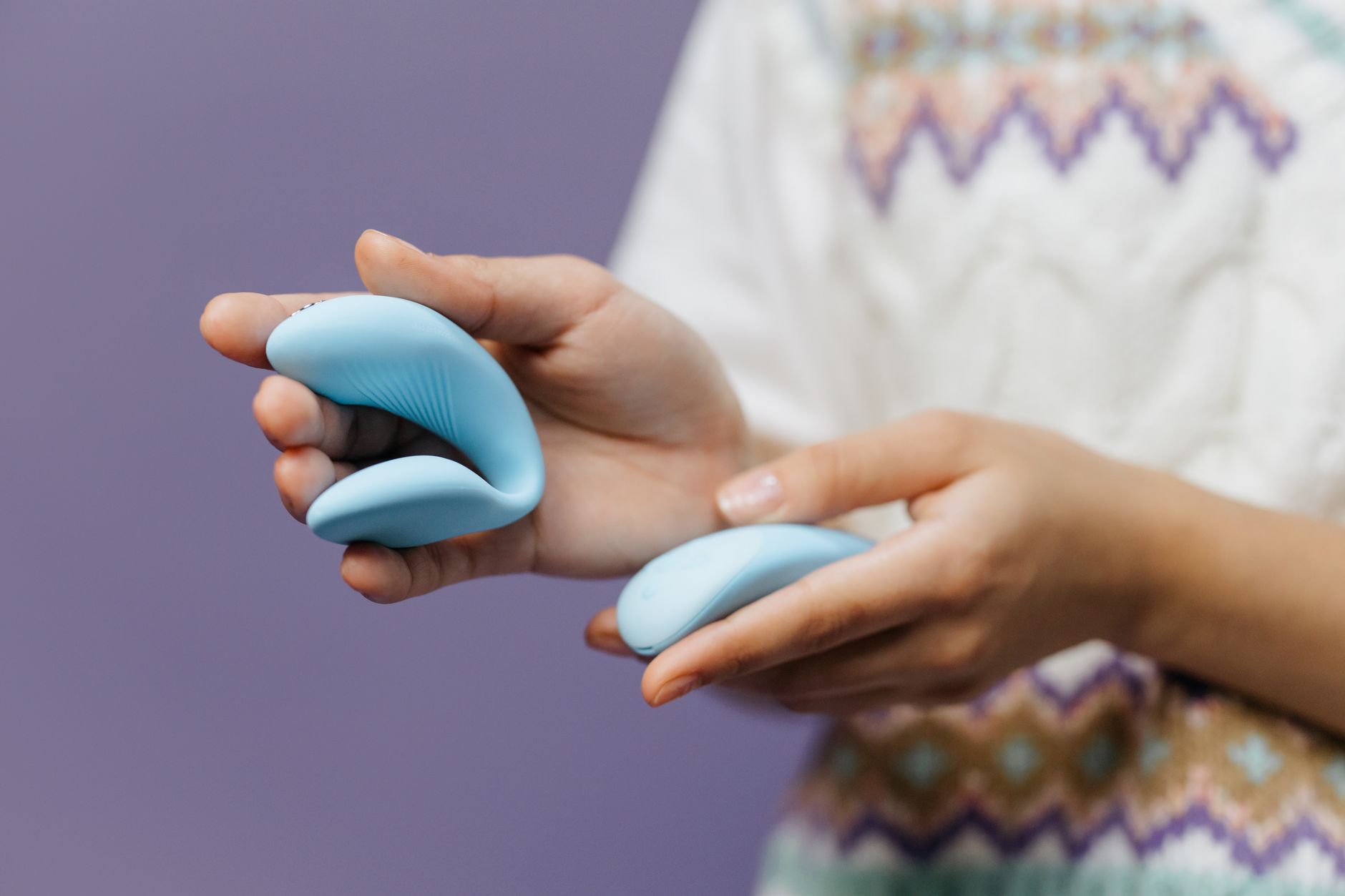
Lemon clitoral vibrators and suction-style toys work differently. Instead of vibration, they use pulsing suction patterns that stimulate the clitoral complex without relying on your body's ability to sense rapid vibration. It's a lower-threshold stimulation, which matters enormously when your nervous system is already muffled.
What happens when you switch to a lemon vibrator after medication side effects
The first thing most people notice is that it feels less like work. A lemon clitoral vibrator doesn't demand that you feel something you're not ready to feel yet. It creates space for sensation to return on its own timeline, rather than forcing your body to reach a predetermined intensity level.
Second, the suction pattern often triggers micro-sensations that traditional vibration misses entirely. Some describe it as a gentler wake-up call to nerve endings that have been asleep. Not a jolt. A nudge.
Third, because the stimulation pattern is rhythmic rather than constant, it gives your nervous system room to register what's happening. Medication dulls sensation partly by reducing the signal-to-noise ratio in your nervous system. Suction patterns seem to cut through that noise more effectively than sustained vibration does.
The role of patience and nervous system recovery
Here's something I see over and over in my practice: people think they need to rush the return to sensation. They think if they're not having orgasms yet, something's wrong. But your nervous system didn't go numb overnight. It won't wake up overnight either.
When you've been on a medication for years that's flattened your sexual response, the reconnection process is more like physical therapy than like flipping a switch. You're retraining your brain to register sensation. You're building new neural pathways for pleasure.
Using a lemon suction toy becomes part of that retraining. You're not trying to force an orgasm. You're exploring what sensation feels like right now, in your current body, under your current medication. That's radically different from performance pressure, and your nervous system knows the difference.
When to expect sensation to return
It varies wildly depending on the medication, how long you've been on it, and your individual neurology. Some people notice shifts in two weeks. Others take two months. A few notice almost nothing for six months, then suddenly sensation floods back.
The timeline also depends on whether your medication is still the optimal dose for you. If you and your prescriber have adjusted your dose or switched to a medication with fewer sexual side effects, sensation often returns faster. If your current medication is the one that works best for your mental health, patience becomes even more important.
A good benchmark: if you're using a lemon clitoral vibrator regularly and exploring sensation without any performance expectation, you should notice some shift in weeks. It might be subtle. The orgasm might still feel far away. But the path to it should feel less blocked.
Why lemon vibrators specifically help more than you'd expect
Lemon sexual toys use a suction mechanism that's gentler on already-numbed tissue and creates a different neurological response than traditional vibrators. When I work with clients navigating medication side effects and pleasure recovery, the feedback is consistent: suction feels more accessible when sensation is compromised.
The other part is psychology. Using a tool specifically designed for lower-threshold stimulation gives you permission to go slow. You're not holding a vibrator that's supposed to deliver maximum sensation. You're using something engineered for gentleness. That mental shift matters more than it sounds.
You can also use a lemon vibrator on different intensity levels. Starting at the gentlest setting and working up over weeks gives your nervous system time to register what's happening. No pressure to push harder. No goal other than exploring what you can feel right now.
Combining a lemon clitoral vibrator with other pleasure recovery practices
The tool is part of the picture, not the whole picture. Three other things matter hugely:
Longer warm-up time. When sensation is muted, arousal takes longer to build. Budget 20-30 minutes of non-goal-oriented touch. Skin contact. Breath work. Let your nervous system settle before you use the toy.
Lubrication. Medication can decrease natural lubrication. Use a water-based lube generously. It makes every sensation more distinct and reduces friction that can feel uncomfortable when you're already numb.
Solo exploration first. If you have a partner, resist the urge to involve them immediately. Pleasure recovery is deeply personal. When you're learning what your body can feel again, having someone else's expectations in the room often backfires.
When medication changes or medication adjustment might help
Sometimes the sexual side effects are bad enough that your prescriber will adjust your dose, switch you to a medication with a lower sexual side effect profile, or recommend taking your dose at a different time of day. That's a conversation worth having if the side effects are significantly impacting your quality of life.
But here's what I tell clients: don't wait for a medication change to start exploring pleasure again. Even small shifts in sensation matter. Even if you never fully regain pre-medication sensation, there's almost always more pleasure available than you're experiencing right now if you approach it systematically.
A lemon vibrator gives you a way to explore that without waiting for a doctor's appointment or a prescription adjustment. You're working with what you have right now.
The longer timeline toward full sensation recovery
If you stick with it, most people notice significant improvement in sexual sensation within three to six months of regular exploration with tools designed for low-threshold stimulation. Some recover fully. Some find a new baseline that's different from before medication but genuinely pleasurable.
The key word is "regular." This isn't a weekend hobby. It's more like physical therapy. If you explore your pleasure response with a lemon suction toy twice a week versus once a month, the timeline and depth of recovery are completely different.
Over time, as your nervous system recognizes that sensation is safe and available, arousal builds faster, orgasms become more accessible, and the whole experience feels less like work. That's when you know your nervous system is actually waking back up.
The emotional piece matters as much as the physical
A lot of medication-related numbness is compounded by shame. You're on a medication you need. It's flattening your sexual response. That feels like a betrayal of your body, or a sacrifice you're making for stability. Many people internalize it as a permanent loss instead of a temporary side effect.
It's not. Your body is still in there. Your capacity for pleasure didn't disappear. It's just been quieter, dampened by neurochemistry.
Using a lemon clitoral vibrator as part of your pleasure recovery is a practical act. You're saying: I'm not giving up on this. I'm not accepting that this is my new normal forever. I'm going to methodically, patiently, kindly help my nervous system remember what pleasure feels like.
That belief actually helps neurologically. Your nervous system is listening. When you approach pleasure recovery with curiosity instead of desperation, it responds differently.
FAQ: Your questions about medication, sensation, and pleasure recovery
Can you use a lemon vibrator while still on SSRIs or other numbing medications?
Absolutely. The whole point is that you don't have to wait for medication changes. You work with your current neurology. Many people use lemon clitoral vibrators as a bridge while on medications, and they find that even though sensation may never fully return to pre-medication levels while you're taking the pill, they can recover far more pleasure than they'd thought possible.
How long does sensation usually take to come back after long-term medication use?
It depends on the specific medication, your dosage, how long you've been taking it, and your individual nervous system. Some people notice subtle shifts within two to three weeks of regular exploration. Others take two to three months to feel real change. A few notice minimal improvement for half a year, then sudden shifts. The safest assumption is three to six months of consistent, low-pressure exploration before you'll have a clear sense of what your new baseline looks like.
Does switching to a lemon vibrator from traditional vibrators actually make a difference if you're numb?
Yes, consistently. The suction mechanism creates a different neurological pathway than vibration does. Many people who've reported that traditional vibrators feel like nothing when they're medicated suddenly notice sensation with a lemon clitoral vibrator. It's not magic, but the mechanism is genuinely different enough to matter.
What if I use a lemon suction toy regularly and still feel almost nothing?
First, give it time. Three weeks is not enough data. Second, check your lubrication. Third, consider whether you're bringing performance pressure into it. If you're genuinely exploring with zero expectation of orgasm or sensation and you've been consistent for two months and there's still absolutely nothing, it might be worth a conversation with your prescriber about dose or medication alternatives.
Can your partner use a lemon vibrator on you if you're recovering sensation?
Yes, but start solo. Once you understand what the toy feels like on your own body and you've had time to reconnect without external pressure, your partner can absolutely participate. Many people find that the lower-threshold stimulation of a lemon clitoral vibrator actually makes partnered exploration feel more accessible than it did with traditional toys, because there's less performance intensity baked in.
What if medication is the right choice for your mental health but the sexual side effects feel genuinely unbearable?
That's a conversation for your prescriber. Some doctors will adjust dosage timing, switch medications, or add medications that offset sexual side effects. It's worth asking about, especially if you've been suffering in silence. Many people don't realize that sexual dysfunction is a treatable side effect, not something you just have to accept.
Should you stop taking your medication to get sensation back?
No. Full stop. Your mental health matters. Your sexual pleasure also matters. Those aren't a zero-sum game. There are almost always ways to improve sexual sensation while staying on a medication that keeps you stable. If your prescriber tells you that's not possible, consider a second opinion.
You're not stuck in this forever
Medication side effects feel permanent when you're in the middle of them. Numbness feels like your new baseline. It's not. Your nervous system is remarkably plastic. Given the right tools, patience, and approach, sensation almost always returns, even if it's not identical to before.
A lemon vibrator is one of those tools. It's not a magic fix. It's a practical, evidence-aligned way to work with your body's current capacity while you help your nervous system wake back up. Give yourself time. Be consistent. Let pleasure return on its own timeline.
If you want to talk through your specific situation or explore other approaches that might help, reach out. That's what I'm here for.