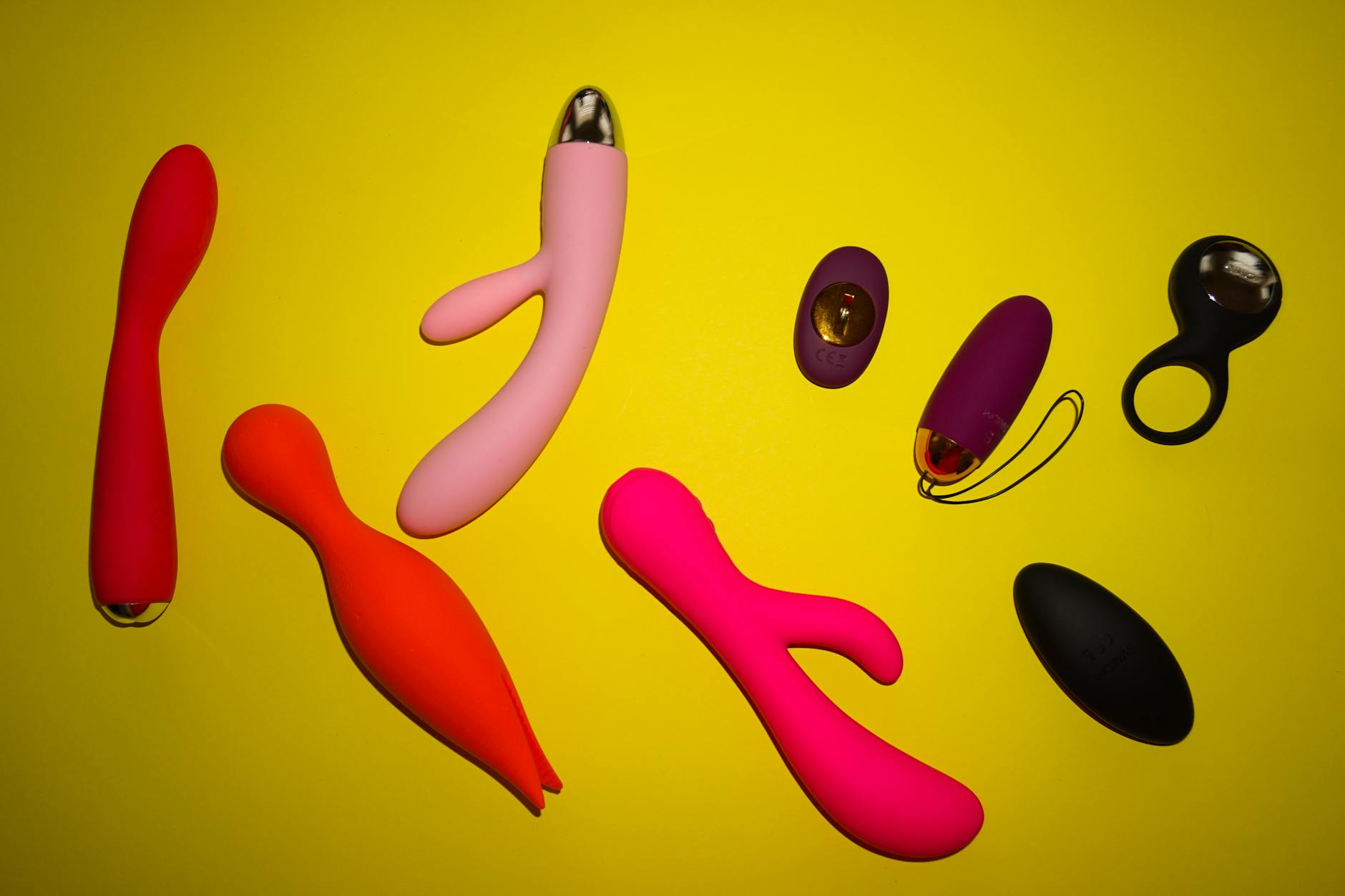
How Lemon Vibrators Feel Different When You Switch From Traditional Vibrators
Okay so here's the thing. If you've spent the last five, ten, maybe twenty years using a traditional vibrator that just buzzes intensely against your skin, switching to a lemon clitoral vibrator is going to feel weird at first. Not bad weird. Just... different. And different enough that a lot of people quit too early because they think something's not working when actually their nervous system just needs a minute to adjust.
I see this constantly. Someone buys a lem vibrator because they've heard great things, use it once or twice the way they'd use an old wand vibrator, don't feel the same immediate fireworks, and assume it's not for them. But here's what's actually happening: you're not comparing apples to apples. You're comparing two completely different technologies doing two completely different things to your body.
The actual mechanical difference
Traditional vibrators buzz. The motor vibrates back and forth hundreds of times per second, creating a direct oscillating pressure against tissue. Fast, repetitive, intense. It's basically mechanical stimulation.
Lemon vibrators, and other air-pulse toys like them, use a different approach entirely. Instead of vibration, they create rhythmic suction pulses that gently draw the clitoral tissue upward and release. Think of it like a soft pulsing mouth rather than a buzzing motor. The sensation is localized to deeper nerve endings instead of the surface.
That's not a small difference. That's a completely different stimulation pathway.
Why the sensation feels so different at first
When you've been using traditional vibrators, your outer nerve endings become your primary pleasure center. The clitoris has roughly 8,000 nerve endings, but not all of them are equally sensitized by the same type of stimulus. Traditional buzz vibrators activate the surface nerves loudly and quickly. Your body learns to expect that signal.
Lemon vibrators activate deeper nerve clusters. The suction pulls tissue inward rather than moving across the surface, which means you're stimulating nerves that might not have gotten much attention before. For some people, this feels milder at first because it's not hitting the hyper-responsive surface nerves. For others, it's more intense because it's reaching nerve endings that aren't desensitized yet.
The honest truth: most people's bodies need about three to five solo sessions to recalibrate. You're not retraining your pleasure, exactly. You're just allowing your nervous system to recognize a new signal as pleasurable.
The recovery difference is significant
Here's where things get really interesting. Traditional vibrators can numb you out after extended use. That's not a sign you're broken. That's your body doing exactly what it's designed to do: after intense, repetitive stimulation, the surface nerve endings desensitize temporarily to protect themselves. Which is why you might feel like you need to turn the intensity up and up and up.
Lemon vibrators don't do that nearly as much. Because the stimulation is suction-based rather than friction-based, there's less localized tissue irritation and less nerve fatigue. I've had clients tell me they can use a lemon sucker for longer without that numb, almost burned-out feeling. And more importantly, they're ready to come back the next day, or even a few hours later, without feeling like they need to wait for everything to reset.
That might sound like a small thing. It's not. Pleasure recovery is actually huge for people who were starting to feel locked out of their own bodies.
Intensity isn't higher or lower. It's different.
One thing I need to be really clear about: switching from a traditional vibrator to lemon clitoral vibrators isn't a downgrade in intensity. It's a sideways shift. Different nerves, different sensation quality, different threshold for what your body interprets as "intense."
A high-frequency buzz vibrator creates immediate, almost aggressive stimulation. Very few people feel like they're building toward something. It's more like impact.
Air-pulse vibrators like lemon toys create a rolling, building sensation. The suction draws you inward, creates pressure, then releases. The rhythm can feel like foreplay to your nervous system. There's a build-up and a release within each pulse, which means orgasms often feel different too. Less like lightning, more like waves.
Neither is objectively better. But I've noticed clients who were getting frustrated with the "plateau" feeling of intense buzz finally understand what climax actually feels like when they switch to suction.
Why sensation mapping matters here
Your clitoris isn't one thing. It's an entire structure, including the external glans (the visible part), the clitoral body (the part inside your vulva), and the crura (the internal branches). Traditional vibrators mostly stimulate the glans. Full stop.
Lemon vibrators, because they create suction and internal pressure, can engage more of the clitoral structure. This is especially important if you've been struggling with sensation in certain areas or if you notice that you can feel stimulation in one spot but not another.
I usually recommend mapping your own clitoris for a few sessions. Try different intensity levels. Notice which patterns feel the strongest. This matters not because you're being precious about pleasure, but because once you know your actual sensation map, you can use the toy in ways that hit the spots you actually respond to. Most people discover their most reliable orgasms come from pattern and position combinations they never would have found with a traditional vibrator.
The mental shift is real
Part of what makes switching feel so different is psychological, and I'm not dismissing that as "less real."
Buzz vibrators train you to expect an orgasm in maybe five to ten minutes. You switch it on, it's intense immediately, your body learns to come fast. That's a conditioned response. It's also not a bad thing. Sometimes speed is exactly what you need.
But it can also teach your nervous system that pleasure is only accessible in that narrow window. Anything slower feels broken. Anything that requires patience feels like failure.
When you switch to a lemon vibrator, you're kind of forced to slow down. It takes longer to build. The sensation is more nuanced. Which means you have to actually stay present instead of just waiting for the finish line. For some people, that's uncomfortable at first. For others, it's the first time they've actually felt like they were having pleasure happen TO them rather than just chasing a checkmark.
Three things to expect in your first week
First: it might feel less intense. Give it time. You're not broken. Your surface nerves are just used to a very specific input.
Second: you might orgasm differently. Shape, duration, intensity. None of these mean the toy isn't working. They mean your deeper nerve endings are being stimulated, which produces a different orgasm signature.
Third: you might feel more sensation the next day. Because there's less tissue irritation with suction versus buzz, your clitoris recovers faster. This is actually a feature, not a bug.
When to stick with it and when to reconsider
Honestly? Give it five to ten solo sessions before you decide if lemon vibrators are for you. That's enough time for your nervous system to recalibrate without feeling like you're doing an extended experiment.
But here's the thing: if after that time the sensation still feels muted or unpleasant, that's real information. Some people's bodies genuinely respond better to buzz vibrators. That's not a failure on your part or the toy's part. It's just anatomy and preference.
If you find yourself building sensation faster, reaching deeper pleasure, or recovering quicker, then you've probably found something that works with your body instead of against it. That's worth paying attention to.
People also ask
How long does it take to get used to air-pulse vibrators?
Most people notice a difference in sensation immediately, but it usually takes three to five uses before your nervous system actually codes the feeling as "pleasure" in the same way it does with traditional vibrators. By session seven or eight, your body has adapted enough that you're no longer comparing it to what you're used to. You're just experiencing it. Some people fall in love after one use. Others need the full adjustment period. Both are normal.
Will I lose sensitivity to my traditional vibrator after using a lemon sucker?
Not permanently, but your body might temporarily prefer the new sensation. This is similar to how your taste buds work after you've had something really good. You reset. If you go back to a traditional buzz vibrator after several weeks with a lemon clitoral vibrator, you might find it feels too intense or too surface-level at first. But you'll readapt within a few uses. You haven't permanently damaged yourself. Your nervous system just has preferences, same as everything else.
Do lemon vibrators work better for people with reduced sensation?
Sometimes yes, sometimes no. Air-pulse vibrators are excellent for people who've experienced nerve damage, numbness from medication, or desensitization from traditional vibrators because they access different nerve clusters. But if your reduced sensation is from something like diabetes or pelvic nerve damage, you might still find buzz vibrators more effective. This is worth discussing with a healthcare provider if you're concerned.
Can I use a lemon vibrator if I have vulvodynia or pain conditions?
Lemon vibrators are actually often gentler on sensitive tissue than traditional vibrators because there's less direct friction. But vulvodynia and chronic pain are individual conditions. What helps one person might irritate another. Start on the lowest intensity setting, use it briefly, and pay attention to whether you feel pain during or soreness after. If you're managing chronic pelvic pain, you might also find our guide on lemon vibrators and chronic pain helpful.
What if I prefer the feeling of a traditional vibrator?
Then stick with traditional vibrators. Pleasure isn't one-size-fits-all. Some people's bodies light up with suction. Others prefer buzz. Some people want both and switch between them depending on the day. The goal is to know what works for your body and use it without shame or second-guessing. If traditional vibrators feel better to you, that's not settling. That's knowing yourself.
Do I need to use lemon vibrators differently than traditional vibrators?
Yes and no. You still turn them on, position them against your clitoris, and adjust based on what feels good. But because the sensation builds differently, you might find you need less pressure and more time. A lot of people also discover that the suction works better if you angle it so the toy is creating an actual seal rather than just hovering. Experiment. Your body will tell you what works.
What actually happens next
If you do decide to make the switch from traditional vibrators to something like the Lem from Lemon Clit Store, expect your first week to feel like learning a new skill. Not hard, just unfamiliar. By week two or three, your body will start recognizing the signal as pleasurable in the same automatic way it recognizes your old vibrator.
Some people find themselves reaching for a lemon clitoral vibrator specifically on nights when they want slower, deeper pleasure. Others find they prefer it entirely and never go back to buzz. And some people keep both because sometimes you want fireworks and sometimes you want waves.
The point is: different technology doesn't mean better or worse. It means your body has options now. And options are always better than being locked into one way of experiencing pleasure.
If you have questions about how to use lemon vibrators or want to talk through whether they might be right for you, reach out. That's what I'm here for.