Here's what nobody tells you about long-term sex
After five, ten, fifteen years with the same partner, your nervous system has learned the pattern. That's not a failure. That's just neurology. Your brain stops firing the same cascade of dopamine and norepinephrine that made everything feel urgent and electric. The body adapts. Arousal comes slower. Orgasm, if it comes at all, feels like a check box instead of a bell being rung.
The good news? This isn't irreversible. And it's not actually about your partner.
The science of novelty fatigue in long-term couples
When you first get together, everything is new. The touch, the rhythm, the person's smell, the location, the time of day. Every variable is unpredictable. Your brain is basically getting flooded with novelty signals. But after years of the same body, the same position, the same Tuesday or Friday night routine, those novelty signals stop firing. Your nervous system has efficient maps now. Efficient is boring.
Research on long-term couples shows something interesting: desire doesn't naturally decline. What declines is the stimulus intensity. You need something different to get the same neurological response you used to get from just touching your partner's hand.
This is where people usually split into two camps. One camp says "we're just not compatible anymore" and starts looking outside. The other says "guess we're done with all that" and accepts a sexless or low-sensation relationship. Both assume the problem is the partnership itself. It's not. The problem is that the partnership has become predictable.
Why novelty matters more than you think
Neuroscience tells us that sustained arousal in long-term relationships depends on one thing: interrupting the pattern. Not dumping the partner. Interrupting the routine. That can mean switching positions, changing locations, scheduling sex differently (which sounds unsexy but actually works because anticipation rebuilds), or introducing a new sensation into familiar intimacy.
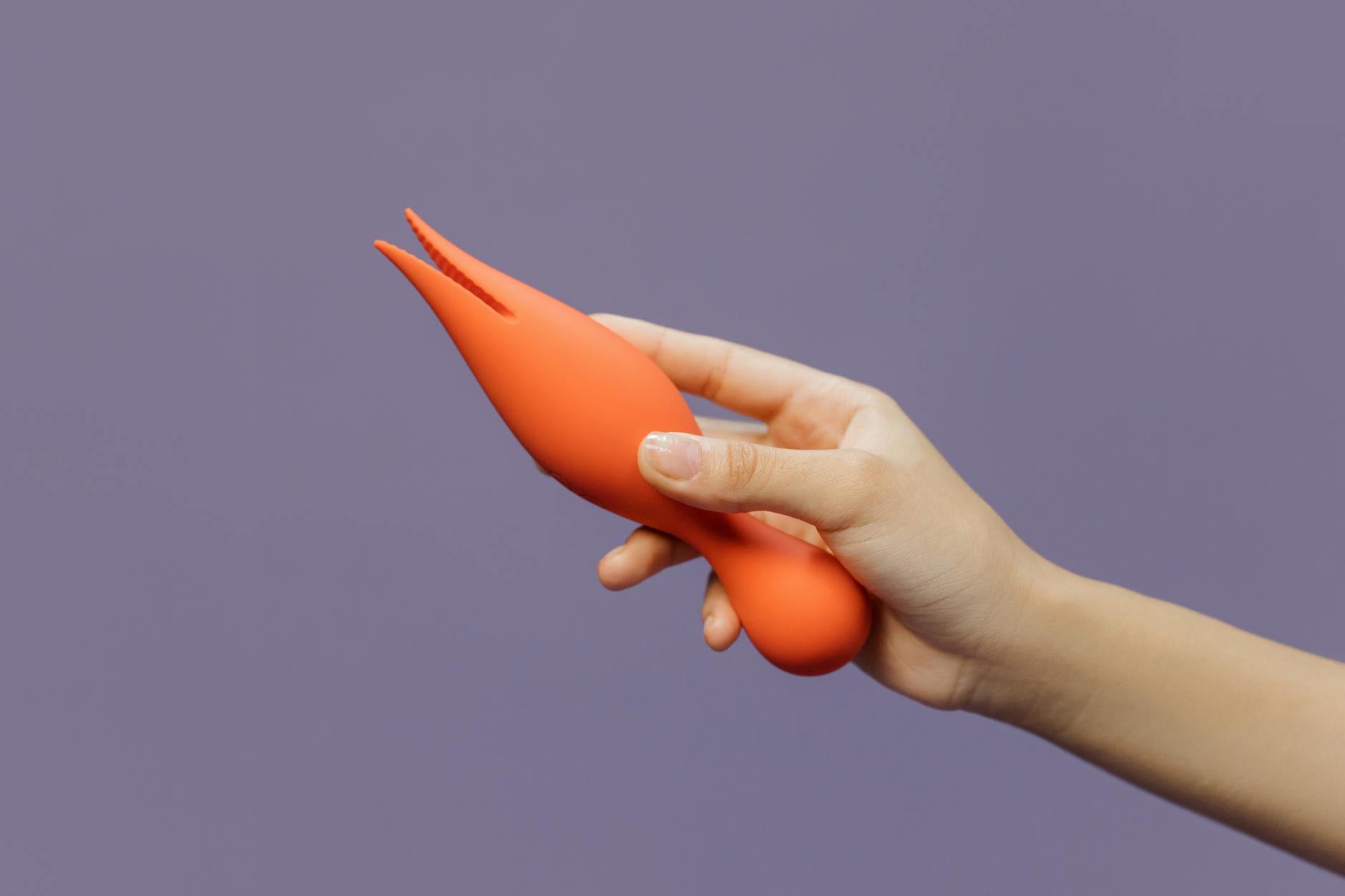
Lemon clitoral vibrators, especially models like The Lem, do something specific here. They introduce sensation intensity that a partner's touch alone can't replicate. Air-pulse stimulation fires different nerve pathways than direct vibration or friction. When you're used to a certain rhythm after ten years, a completely different sensation pattern resets your nervous system. Suddenly you're paying attention again. Your brain lights up. Anticipation returns.
This is not about your partner being insufficient. It's about being smarter with your physiology.
How the pattern usually breaks (and gets stuck)
Couple years in, sex becomes functional. You know what works. You both know what gets you there in fifteen or twenty minutes. So that's what you do. Every time. Week after week.
Then one of three things happens. Either someone's sensation starts to decline (stress, medication changes, natural aging), arousal takes longer, or someone stops initiating because it doesn't feel exciting anymore. At that point, most couples either have a conversation that goes nowhere ("I miss how it used to be" without a plan), or they just quietly have sex less often until it's a non-issue.
What they don't usually do is experiment. And that's because trying something new feels like admitting the current thing isn't working, which can feel like a small betrayal.
Here's what I tell couples in my practice: introducing a lemon vibrator isn't about fixing what's broken. It's about keeping what works and adding a new dimension. You still have each other. You still have the intimacy. You're just changing the actual sensation.
The practical mechanics of reintroducing novelty as a couple
If you've been together for years and sex has become routine, you can't just surprise your partner with a toy and expect magic. That usually reads as "I'm bored" instead of "I want to explore this with you." The conversation matters more than the equipment.
Here's a framework that actually works:
Start with honesty. Not "our sex life is dead" but "I miss the intensity of how things used to feel, and I want to find a way to rebuild that together." You're naming the experience, not blaming the person.
Propose it as a collaborative experiment. "I've been reading about lemon vibrators, and the way they work is actually interesting. Want to try it together and see if it changes anything?" Collaborative. Not mysterious or secretive.
Choose timing when you're both relaxed. Not at 10 p.m. on a work night when you're both stressed. This isn't about squeezing sex into your usual slot. It's about carving out actual time.
Use the new sensation to rebuild anticipation. When you try something new, you can't predict the outcome. You're back to not knowing exactly what's going to happen. That uncertainty rebuilds the nervous system activation you lost.
What changes when you add a lemon vibrator to long-term couples sex
Three specific things happen in my clients' partnerships:
First, the physical sensation resets arousal. If your partner's hands or a penis have been the only consistent sensation for ten years, air-pulse stimulation from a clitoral vibrator wakes up nerve pathways that have been dormant. Sensation itself becomes interesting again.
Second, the act of trying something new breaks the script. You're not on autopilot anymore. You're both paying attention. This alone reignites connection because you're actually present instead of just going through the motions.
Third, if it works, anticipation returns. Now when you think about sex, you don't just think about the usual routine. You think about what it felt like, whether you'll try it again, what might be different next time. Your brain is back to treating it like something novel.
The conversation that actually needs to happen first
Before you buy anything, you and your partner need to be honest about one thing: has sex become boring because the relationship is broken, or because the stimulation pattern has become predictable?
Those are completely different problems. If the relationship itself is struggling (resentment, disconnection, unresolved conflict), a vibrator won't fix it. But if the relationship is solid and sex has just become routine, a lemon vibrator specifically designed for clitoral stimulation can be the reset button you both need.
I've worked with couples who've been together twenty years and thought they were done. Once they actually had a conversation about wanting to feel excited again, and tried introducing something new, it opened the whole thing back up. Not because they were using a toy, but because they broke the pattern together.
When to go deeper (and when a toy is enough)
Sometimes reintroducing novelty is all you need. You try a lemon clitoral vibrator once or twice, sensation comes back, anticipation rebuilds, and you naturally start being more creative with each other. The toy did its job and now you're exploring together.
Sometimes the toy shows you that the problem isn't the sensation at all. It's resentment. It's stress. It's a partner who's emotionally checked out. In those cases, the vibrator doesn't fix anything, but it does clarify what the actual problem is. And that clarity is actually valuable.
If you find yourself using a vibrator during partnered sex and it still feels disconnected or distant, that's the signal that something bigger needs attention. A couples therapist, not a toy, is the right intervention there.
But if you find yourself both engaged, present, and actually excited to try things again? That's the nervous system reset working.
The practical first step
Honestly talk to your partner. Not "I want to use a vibrator on you" but "I miss how excited we used to feel about sex. I want to find a way to rebuild that. What would make this feel good for you?"
Listen to what they say. Maybe they've been feeling the same thing. Maybe they're worried about something else entirely. The conversation is the first reset.
If you both want to try, start with something straightforward. A lemon clitoral vibrator is designed specifically to introduce air-pulse sensation that feels different from traditional vibration. You use it together, see how it changes the physical experience, and go from there.
That's it. No grand plan. No pressure. Just a conversation and an experiment.
People also ask
Can using a vibrator during partnered sex actually reignite desire in long-term relationships?
Yes, but not because the vibrator is magic. It works because it breaks the sensory pattern your nervous system has adapted to. After years together, your body has learned the rhythm of sex with your partner. Introducing a completely different sensation (like air-pulse stimulation from a lemon vibrator) reactivates the novelty circuits in your brain. Novelty triggers dopamine release, which is what makes arousal feel urgent again. This only works if both partners are actually engaged in trying something together. If one person is using it resentfully or as a band-aid over relationship problems, it won't help.
Is using a toy during sex with a partner a sign that something is wrong?
No. It's usually a sign that something is going right. It means you're both willing to experiment, to try new things, and to actively work on maintaining physical connection. That's the opposite of relationship trouble. In my practice, couples who introduce new sensations together actually report higher satisfaction overall. The toy isn't a fix for a broken relationship. It's a tool for couples who want to keep building on what they have.
How do I bring this up without making my partner feel inadequate?
Frame it as addition, not subtraction. "I want to feel that excitement with you again" is different from "you're not doing it for me anymore." The difference matters. You're describing your own nervous system response, not criticizing their performance. Most partners actually feel relieved when this conversation happens because they've probably felt the same thing.
What if my partner says no to trying a vibrator together?
That's important information. Listen to why. Is it discomfort with the idea? Religious or personal beliefs? Fear that it means something about their body or performance? Those are all legitimate, and they need a separate conversation from the vibrator. But sometimes a partner says no because they haven't thought about it, or because they're worried you're secretly unhappy. Often a real conversation clears that up. If your partner consistently refuses to engage in any experimentation, that's a different conversation entirely, and it might warrant a couples therapist.
Do I need a specific type of vibrator to make this work?
A lemon clitoral vibrator like The Lem works well for this because the air-pulse sensation is genuinely different from what most people have experienced. That difference is what resets the nervous system. But honestly, any vibrator that introduces a new sensation works. The point is novelty. Different shapes, different intensity patterns, different sensations. Your body has adapted to your current pattern. You need something it hasn't adapted to yet.
How often do couples need to use a toy to keep that novelty feeling alive?
Not constantly. One of my favorite findings from relationship research is that anticipation actually matters more than frequency. If you use a vibrator every other week with full attention and real desire to be present with each other, that works way better than using it three times a week while scrolling your phone. The nervous system needs the novelty to be fresh, not routine. So once you reintroduce it, you can actually scale back and it still maintains the effect because the anticipation is there.
The thing nobody says out loud
Long-term couples don't lose passion. They lose the stimulus that used to trigger passion. Your nervous system gets bored. Not of your partner. Of the same sensation. Introducing something new isn't a rejection of what you have. It's an investment in keeping it alive.
If you want to rebuild that spark, start with a conversation. Then, if you both want to, try something different. A lemon clitoral vibrator is literally designed for this. Air-pulse sensation, intensity control, and something your body hasn't adapted to yet.
Your excitement doesn't have to be behind you. It's usually just buried under routine. A little novelty, a real conversation, and actual attention to each other can bring it back.