Here's what nobody tells you about lubrication and age
Natural lubrication doesn't vanish overnight. It tapers. For some people it starts in their late thirties. For others, it doesn't shift noticeably until their fifties or sixties. But the moment it does change, everything about how pleasure feels changes too, and most people blame themselves instead of understanding the biology.
The truth is physiological, normal, and completely fixable. And the fix often isn't more lube (though that helps). It's a different tool entirely.
Why lubrication decreases as you age
Your body produces natural lubricant through a combination of blood flow, hormonal signaling, and vaginal tissue thickness. All three of these factors shift as you get older. Estrogen declines gradually even before menopause officially arrives. Testosterone, which you produce too, also softens. Blood flow to genital tissue becomes less responsive to arousal. The vaginal tissue thins slightly, and that thinner tissue produces less fluid.
None of this means you're broken. It means your body is changing the same way your hair texture changes, your skin shifts, and your metabolism adjusts. These are features of aging, not failures.
But here's the thing: traditional vibrators rely on friction. They work by moving back and forth against tissue. When lubrication decreases, friction intensifies. Tissue that used to feel smooth can start to feel raw or irritated. You might find yourself needing way more lube than before, or deciding sex isn't worth the discomfort. Both of those are completely reasonable responses to a tool that no longer fits the job.
The friction problem with traditional vibrators
A standard vibrator (bullet, wand, whatever shape) creates stimulation through rapid, repetitive contact. That contact feels incredible when tissue is naturally lubricated and resilient. But when lubrication decreases, that same friction becomes uncomfortable. Your options feel limited: use more lube (which gets messy and needs reapplication), reduce intensity (which often means less pleasure), or stop.
I've worked with clients in their forties, fifties, and sixties who genuinely believed they'd lost their capacity for pleasure because traditional vibrators suddenly felt too intense or uncomfortable. They hadn't. Their tool had simply become the wrong fit.
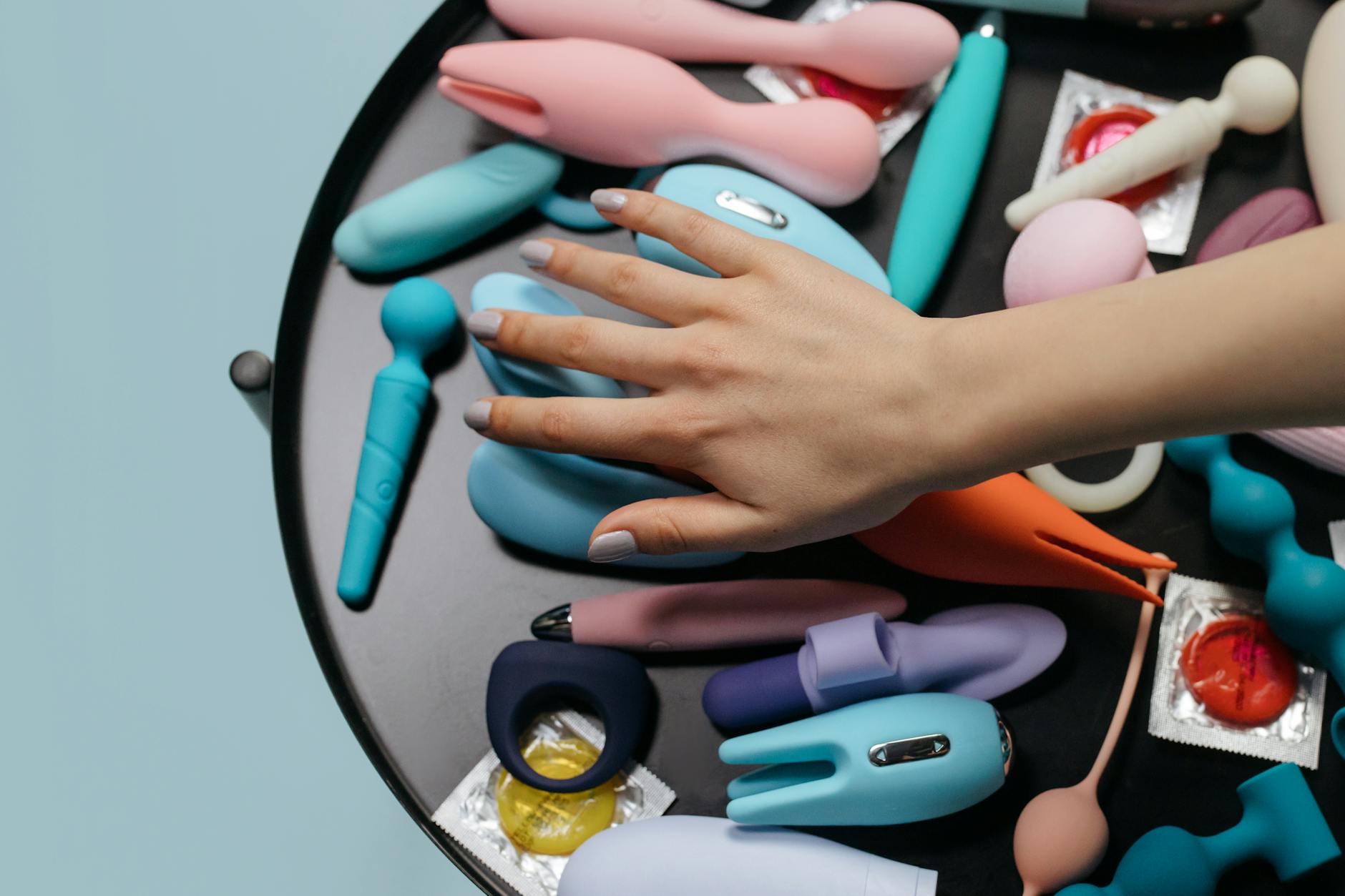
Photo by cottonbro studio on Pexels
How clitoral suction (like lemon vibrators) changes everything
Clitoral suction stimulates through air pulse and gentle suction instead of friction. Rather than sliding across tissue, a lemon clitoral vibrator or similar suction device creates a sealed chamber around the clitoris and gently pulses. This stimulation happens without requiring surface-to-surface friction, which means lubrication becomes optional rather than essential.
That shift is huge. You can absolutely still use lube if you want more glide or comfort, but you don't have to. Many people find that suction-based vibrators feel better, more intense, and more pleasurable than traditional vibration ever did. The stimulation reaches deeper nerve pathways because it's not confined to the surface.
Lemon vibrators use this technology. They're designed around clitoral suction, which is why they work so well when your body's natural lubrication patterns change. You're not fighting physics anymore. You're working with a tool that's actually designed for lower-friction stimulation.
What you need to adjust when switching to suction-based tools
The learning curve is real, but it's quick. Three things to know:
Start on the lowest setting. Suction-based vibrators feel different from friction-based ones, and that different sensation can feel surprisingly intense at first. The Lemon Clit Store's lemon vibrators usually have multiple intensity levels. Start at pattern one and work up. Your body will tell you when it wants more.
Seal matters. A suction vibrator works best when it creates a seal around the clitoris. This means you need good contact but not crushing pressure. Light pressure with a proper seal beats hard pressure with a poor one. Most people find the right positioning within two or three tries.
Patience with sensation. Some people report that suction feels more intense than traditional vibration. Others say it feels completely different but equally pleasurable. A few need a few sessions to warm up to it. That's normal. Stick with it for at least three solo sessions before deciding if it's your thing.
The emotional piece: permission and pleasure
Here's what I see in my practice consistently. When people reach the age where lubrication naturally decreases, they often interpret it as a signal to stop prioritizing their own pleasure. I didn't have pleasure problems before, the thinking goes, so why now? Why do I need a different tool? Why am I suddenly broken?
This logic is upside down. You're not broken. You're adapting. And the willingness to adapt, to try a new tool, to learn what your body needs now, is actually the opposite of broken. That's resilience. That's self-knowledge. That's honoring what your body is telling you.
When you use a clitoral vibrator or lemon vibrator that actually works with your body's current capacity instead of against it, something shifts emotionally too. Sex stops feeling like something you have to work around and becomes something you actively want again.
Other shifts that often coincide with reduced lubrication
Reduced lubrication rarely arrives alone. You might also notice that arousal takes longer to build, that your orgasm feels different or takes more time to reach, or that your overall interest in sex has shifted. These are all connected to the same hormonal and vascular changes.
The good news: addressing one often helps the others. When you use a tool like a lemon clitoral vibrator that removes the friction problem, you often find that arousal builds more naturally because you're not approaching sex with dread or frustration.
If lubrication is the only thing that's changed and everything else feels normal, a water-based lube plus a clitoral suction vibrator is genuinely all you need. If you're also noticing other shifts, that's worth a conversation with your doctor. Topical estrogen creams, systemic hormone therapy, and other treatments exist. But first, try the tool adjustment. It often solves more than you'd expect.
When to see a doctor
If penetration is painful in a sharp or burning way, don't just add more lube and accept it. That pain signal means something needs attention. Genitourinary syndrome of menopause (GSM) is treatable. Vulvodynia is manageable. Adhesions from old injuries can be released.
A gynecologist or sexual health specialist can assess whether reduced lubrication is the whole picture or whether something else is happening. That assessment takes twenty minutes. Your comfort and pleasure are worth it.
The practical shift: what to actually do tomorrow
If reduced natural lubrication is something you're experiencing, here's your action plan:
-
Get water-based lube you like the feel of, even though you won't always need it. It's a useful backup.
-
Research clitoral suction vibrators. Lemon Clit Store's lemon vibrators are specifically built around this technology. Read reviews. See what other people say about sensation and intensity.
-
Start solo. Try whatever new tool you choose on your own first. Solo pleasure is the perfect laboratory. No pressure, no performance, just you and your body figuring out what feels good.
-
Give it three sessions. First session is usually novelty and adjustment. Second session your body understands the sensation better. By the third, you know if it's actually working for you.
-
If you love it, tell your partner. Or don't. Your pleasure doesn't require an audience or commentary.
This is not a consolation prize because your body changed. This is you getting better at understanding what you need and being willing to try the tool that actually delivers.
FAQ: Common questions about vibrators and decreased lubrication
Why do traditional vibrators become uncomfortable when lubrication decreases?
Traditional vibrators rely on friction for stimulation, which means they need lubrication to feel good. When natural lubrication drops, friction increases, making tissue feel irritated or raw. It's not that the vibrator broke. It's that your body needs a different kind of stimulation now.
Is using a lemon vibrator just a workaround for a medical problem?
Not at all. Clitoral suction vibrators are legitimate tools for pleasure, not band-aids for dysfunction. Many people actually prefer the sensation and intensity of suction-based stimulation regardless of their lubrication levels. You can use a tool because it works better, not because something is wrong.
Can I still use lubrication with a suction-based vibrator like those from Lemon Clit Store?
Absolutely. Many people use lube with clitoral suction vibrators because they enjoy the glide and sensation, even though it's not required. Water-based lube works best with silicone toys. Use whatever feels right for your body.
How long does it take to adjust to clitoral suction if I've only used traditional vibrators?
Most people adjust within three to five sessions. The first session is often about novelty and positioning. By the third, your body understands the sensation. If you hate it after five tries, that's real data too. Not every tool is for every person.
Does reduced lubrication mean my hormones are changing in other ways?
Reduced lubrication can signal hormonal shifts, but it can also just be lubrication. Age, stress, medications, hydration, and arousal patterns all affect lubrication independently of your overall hormone status. If you're noticing other changes (mood shifts, hot flashes, sleep changes), talk to your doctor. If it's just lubrication, a tool adjustment plus lube is usually enough.
Should I see a doctor before trying a new vibrator?
Only if you're experiencing pain during sex, bleeding, or significant discomfort. If reduced lubrication is the main change and you're otherwise feeling fine, trying a clitoral suction vibrator is a totally reasonable first step. You can always see a doctor later if you want to explore other options like topical estrogen.
Here's the real thing
Your body doesn't owe anyone the same sensation it gave you at thirty. It owes you pleasure, adaptation, and tools that actually work. When lubrication naturally decreases with age, you're not losing your sexuality. You're gaining permission to figure out what feels good now. A lemon vibrator or other clitoral suction tool isn't a consolation prize. It's often genuinely better. Try it. Your body might surprise you.
If you want to explore what's working best for your body right now, I'm here to help. Reach out anytime.