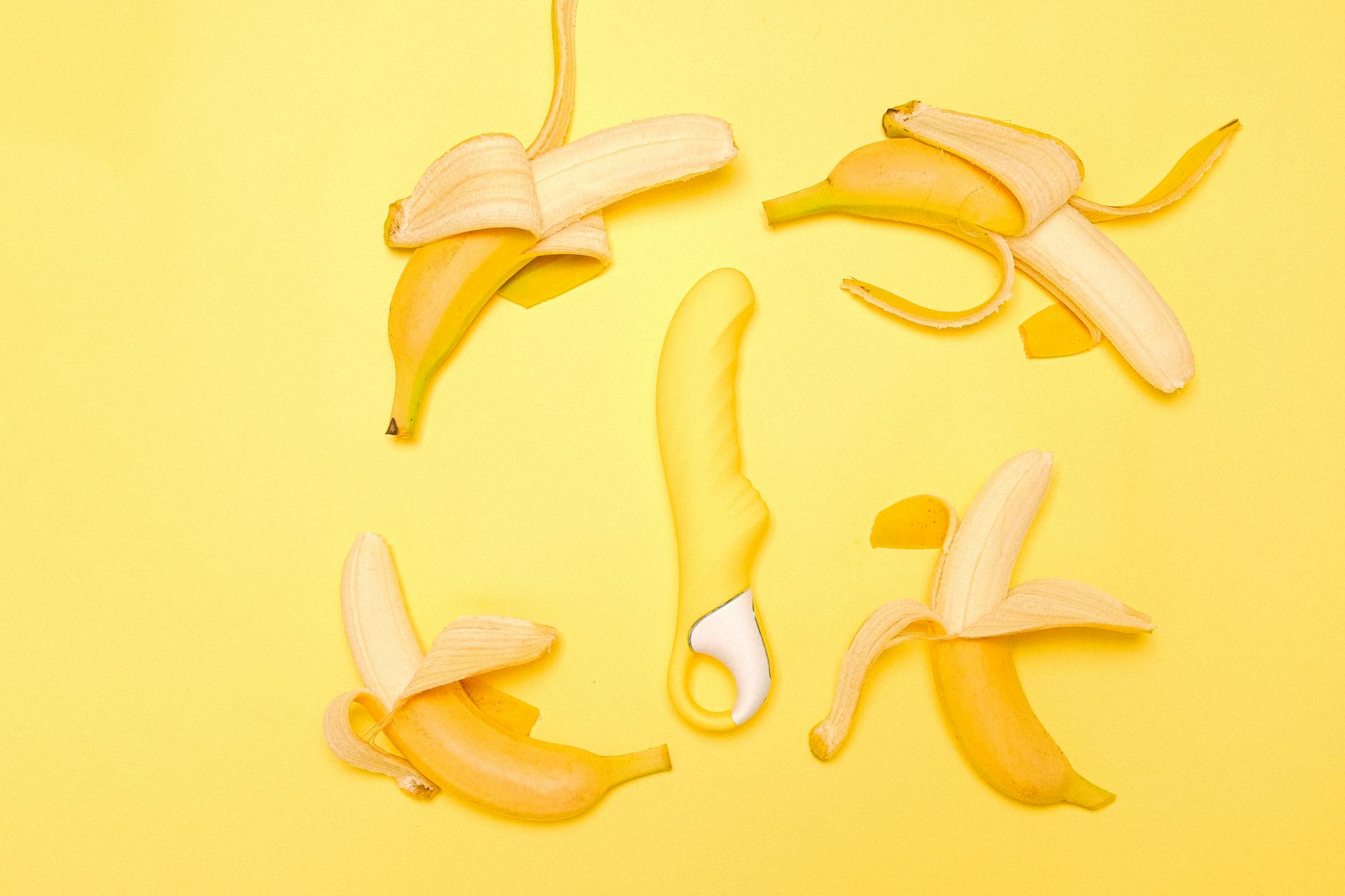
Let's talk about the numbness nobody warns you about
Antidepressants work. They genuinely do. They can stop intrusive thoughts, lift the weight off your chest, give you back the ability to get out of bed. But here's what the package insert doesn't explain clearly: they can also sand down your pleasure response until touching yourself feels like touching a wall through a thick glove.
You're not broken. Your medication isn't betraying you. But the numbness is real, it's biochemical, and it's wildly fixable once you understand what's happening.
How SSRIs actually affect sensation
Most antidepressants work by increasing serotonin availability in your brain. Serotonin is great for mood. But here's the catch: serotonin also plays a role in sexual response. It sits upstream of dopamine, the neurotransmitter that drives desire and the physical cascade of arousal. When serotonin gets boosted, dopamine gets toned down as a result.
This shows up as numbness in two ways:
Neurological numbness. Your clitoris still has nerve endings. Your brain still has arousal pathways. But the signal between them gets quieter. Stimulation that used to feel electric now feels muted, like watching a concert through soundproof glass.
Emotional numbness. You might not feel interested in sex at all. Not because you don't want to want it, but because the limbic system that generates desire has been chemically softened. You can touch yourself and feel technically pleasurable but not feel moved by it.
Both are incredibly common. Studies show that roughly 40-60% of people on SSRIs experience some form of sexual side effect. You're not an outlier. You're in a massive crowd.
Why lemon vibrators work when traditional ones don't
Here's where most people get stuck: they try to muscle through the numbness with a regular vibrator. They use their old toy, cranked to full intensity, and nothing breaks through. That's not a personal failure. That's physics.
Traditional vibrators rely on frequency and intensity. They're trying to reach your nerve endings through direct stimulation. When your sensory threshold has been chemically raised, you need a different approach entirely.
Lemon vibrators use air-suction technology, which works on a completely different neurological pathway. Instead of friction, suction creates a gentle pulling sensation that stimulates the nerve clusters around your clitoris without requiring the same threshold of direct pressure. Think of it as whispering directly to your nervous system instead of shouting at the same spot.
For people on SSRIs, this matters because:
- The suction pattern activates different nerve fibers than traditional vibration does
- You don't need numbness to break through to feel sensation; you're accessing a pathway that's still responsive
- The rhythm feels novel to your brain, which can bypass some of the sensation blunting that antidepressants create
Many people find that lemon vibrators feel genuinely surprising. Not just "better than expected." Actually different in a way that opens up pleasure again.
The practical adjustments that help most
Tech alone isn't the whole story. Here are the other pieces.
Timing matters more than you think. If you take your SSRI first thing in the morning, try exploring pleasure in the evening when blood levels peak. The drug's concentration in your system fluctuates throughout the day. You might have a window of slightly higher responsiveness if you pay attention to your own timing.
Warm-up takes longer. With antidepressants on board, arousal doesn't cascade the way it used to. Budget 20-30 minutes of non-goal-oriented exploration. Touch your neck, your breasts, your thighs. Your brain needs time to notice that it's being touched before your clitoris can meaningfully respond.
Lower sensation isn't lower pleasure. This is crucial. You might need to reframe what pleasure means right now. Instead of waiting for that 8/10 orgasm intensity from before, you might find yourself experiencing a 5/10 that's still genuinely good, just quieter. Accepting that recalibration often unlocks more than fighting it does.
Lubrication becomes extra important. Antidepressants can decrease natural lubrication in some people. Water-based lube isn't a concession. It's a tool that reduces friction resistance and lets suction technology work more effectively.
When to talk to your prescriber
Here's what I tell people: numbness after antidepressants is not a reason to stop taking your medication. But it is worth flagging with your doctor.
Several real options exist:
Dose adjustment. Sometimes dropping the dose slightly improves sexual side effects without compromising mood. This takes careful monitoring, but it's worth asking about.
Timing shifts. Some people find that taking their SSRI at night instead of morning, or vice versa, helps their body manage the side effect better.
Switching medications. SSRIs vary. Sertraline and paroxetine are notorious for sexual side effects. Bupropion (Wellbutrin) actually increases dopamine and sometimes improves sexual response. Your doctor can help you weigh whether a switch makes sense for your specific situation.
Adding a medication. Bupropion is sometimes added alongside SSRIs specifically to counteract sexual side effects. It's not a first-line approach, but it exists and works for some people.
The key: you don't have to choose between mental health and pleasure. You get to advocate for both.
Rebuilding your pleasure baseline
One of the hardest parts about antidepressant numbness is the loss of confidence in your own body. You used to know how to feel good. Now that knowledge is frustratingly out of reach. Rebuilding that takes patience.
Start with exploration that has no goal. Not "have an orgasm." Not even "feel aroused." Just "see what my body can notice right now." Use your lemon vibrator on the lowest setting. Let it surprise you. Notice where sensation shows up, even if it's faint.
Many people find that after a few weeks of low-pressure exploration with suction vibrators, their baseline sensitivity actually shifts upward. You're not forcing feeling through numbness. You're giving your nervous system consistent, novel input and letting it respond at its own pace.
The emotional piece that matters as much as the physical one
If you're in a relationship, the numbness can create real friction. Your partner might feel rejected. You might feel guilty for not wanting sex. Both of those feelings are understandable and also beside the point.
The conversation worth having is: "My antidepressant is helping my mental health and creating a sexual side effect. I'm not less attracted to you. My nervous system is operating differently right now, and here's what helps me feel something again." That's specific. It's not blaming your partner. It's not blaming yourself. It's just information.
If you're exploring solo, this is actually often easier. No performance pressure. No guilt. Just you and a tool designed to work with your nervous system exactly as it is right now.
Antidepressants cost you something. That doesn't mean you have to live without pleasure. It means you need different tools.
People also ask
Will the numbness go away if I keep taking my antidepressant?
Sometimes. For some people, sexual side effects improve after a few months as the body adjusts. For others, they persist. This is why checking in with your prescriber around the three-month mark matters. If numbness continues beyond that, it's worth exploring options rather than assuming it'll spontaneously resolve.
Can I take a "drug holiday" from my SSRI on weekends to feel pleasure?
No. Please don't. Stopping and restarting antidepressants can trigger withdrawal symptoms and mood crashes. It's not worth the risk. If sexual side effects are severe enough that you're considering this, that's the signal to talk with your doctor about a real solution like a dose adjustment or medication switch.
How long does it take to feel sensation return with a lemon vibrator?
It varies wildly. Some people feel noticeably different within a week. Others take 3-4 weeks of consistent use. Part of it depends on how long you've been on the medication, your dose, and your own neurochemistry. Keep a low-pressure mindset. You're not racing back to baseline. You're discovering a new normal.
Are lemon vibrators better than traditional vibrators for antidepressant numbness?
For most people, yes. The suction mechanism activates a different neural pathway than vibration, which can feel like a real breakthrough when vibration stops registering. That said, everyone's different. Some people do find that high-powered traditional vibrators eventually work. The advantage of lemon vibrators is that they often work faster and require less pushing through numbness to get there.
Should I tell my partner that my antidepressant is affecting my sexuality?
Yes, if you want to. There's no moral obligation to disclose every detail of your medication experience. But if you're partnered and sexual numbness is affecting your relationship, your partner deserves to understand what's happening. The conversation doesn't have to be clinical. It can be as simple as: "My medication is doing what it should for my mental health, but it's muting sensation. Here's how I'm working with it."
Can I combine lemon vibrators with other techniques to increase sensation?
Absolutely. Meditation, breathing work, partnered touch, erotic audio or reading, edging techniques (building arousal without rushing to orgasm) all pair well with using the right vibrator. The key is that no single tool does all the work. You're layering approaches.
The real bottom line
Antidepressants are not a punishment disguised as help. They're medicine that can save your mental health and deserve to stay in your life. But sensation matters too. Pleasure matters. You don't have to choose between healing your mind and feeling your body.
Lemon vibrators, combined with the right conversation with your prescriber and patience with yourself, can genuinely change the game. Not by forcing sensation through numbness, but by meeting your nervous system where it actually is and giving it a different way to wake up.
If you're navigating this, your pleasure is still possible. It just might need a different pathway to get there. And that's completely okay.
Want to explore how the right tool can help? We're here to talk about what might work for your body and your situation. Reach out anytime.