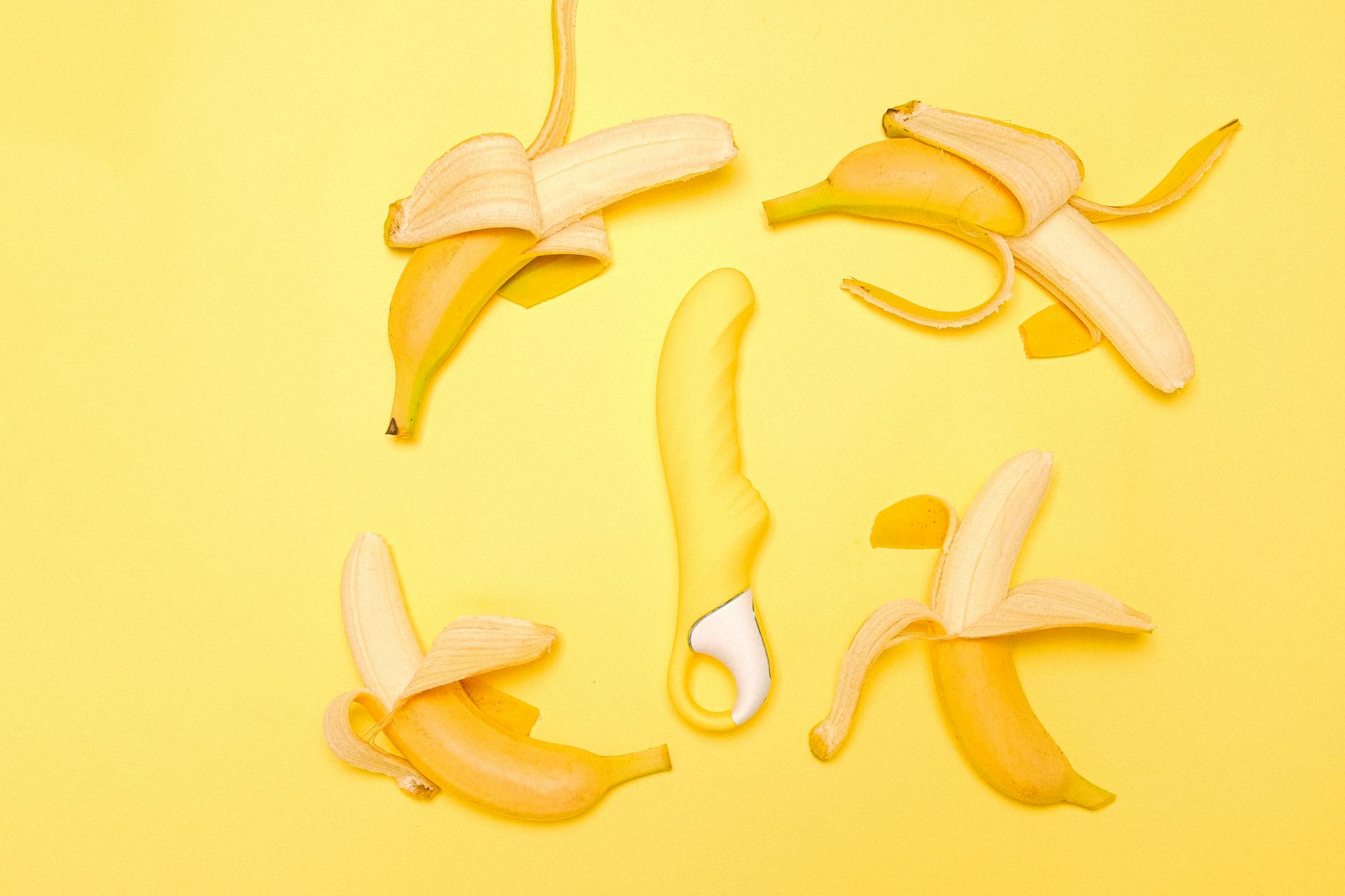
Here's what nobody tells you about hormonal shifts and pleasure
Your body changed. Your pleasure didn't vanish. That's the first thing to know, and the second is that most resources you'll find fall into two useless categories. One says "everything will be different, deal with it." The other says "nothing changes, it's all in your head." Both miss the actual story, which is way more interesting.
Hormonal fluctuations rewire sensation. They don't erase it. And when you understand exactly what's happening in your tissues, you can work with your body instead of against it. Lemon clitoral vibrators are particularly useful here because they're engineered for precision, not just power.
What hormonal changes actually do to sensation
When hormones shift, several things happen at once. Estrogen levels drop, which changes the thickness and elasticity of vaginal tissue and the skin around your clitoris. That tissue gets thinner and less flexible, which means it's more sensitive to traditional vibration patterns. It's not broken. It's just recalibrating.
Blood flow to the genitals changes too. Arousal typically takes longer to build because vasocongestion (the rush of blood that creates swelling and sensitivity) isn't automatic anymore. You might notice that what used to happen in five minutes now takes fifteen. That's not a problem. That's information.
The clitoris itself doesn't lose nerve endings. Those stay put. What changes is how quickly and intensely they fire in response to direct stimulation. Some people report that sensation feels more diffuse, or concentrated in a different spot than before. Others say orgasms have shifted from full-body waves to more localized pulses. All of this is normal.
Why traditional vibrators sometimes feel wrong now
Many conventional vibrators use a single, high-frequency vibration pattern that works by overwhelming the nerve endings with constant input. When tissue is thinner and more sensitive, that approach can feel sharp instead of pleasurable. Some people describe it as buzzy or fatiguing. Others say it's too intense to build from.
This is where lemon clitoral vibrators do something different. They use suction combined with gentler pulsing patterns. Suction stimulates a broader network of nerve tissue without the same kind of direct percussion. It's like the difference between a jackhammer and a massage. Both create movement, but one creates pressure and the other creates sensation.
How to return to pleasure with lemon vibrators
Start with intention, not speed. Set aside twenty to thirty minutes with no agenda except exploration. This matters more than the toy itself.
Begin with the lowest setting. Many people jump to pattern three or four out of habit, then wonder why it feels wrong. Your tissue is genuinely more responsive now. Pattern one might be all you need, and that's not a step backward. It's recalibration.
Use water-based lubricant, even if you're naturally lubricated. Thinner tissue benefits from additional glide, and it changes how vibration feels against your skin. It softens the sensation from sharp to rounded. Silicone-based lubes feel richer, but they'll damage silicone toys, so stick with water-based.
Take longer warm-up time. Spend five to ten minutes on indirect stimulation before moving to direct clitoral contact. Massage the outer vulva, the inner thighs, the hood of the clitoris. Let arousal build gradually. When blood flow increases and tissue plumps slightly, direct stimulation will feel more responsive.
The emotional layer that matters as much as the physical
Hormonal changes often arrive alongside other midlife shifts. Kids launched, relationships recalibrating, bodies changing in ways you didn't choose. The temptation is to assume that any change in sensation or desire is purely chemical. Sometimes it is. Often it's emotional stuff wearing a physical disguise.
If you're returning to solo pleasure after avoiding it, there might be grief involved. Grief about what your body used to feel like, or grief about time that passed. That's real and worth noticing. Rebuilding pleasure isn't about pretending the shift didn't happen. It's about meeting your body where it actually is now.
With a partner, this matters even more. The conversation "my body is responding differently" is completely separate from "I want us to reconnect." Most couples accidentally merge these two, then watch both conversations stall. Keep them separate. Work on sensation first, then on intimacy.
When sensation feels delayed or distant
Some people notice that sensation takes longer to build, or that it feels further away than before. This is partly neurological and partly about arousal architecture. Your body might need more mental engagement to reach the same level of responsiveness.
This is where the precision of lemon clitoral vibrators becomes really useful. Because they offer gentler, more sustained stimulation, you can stay engaged longer without fatigue. You can experiment with pattern combinations to find what actually works for your nervous system right now.
If arousal is genuinely flatlined and not returning after three to four weeks of intentional exploration, it's worth talking to a doctor. Low libido after hormonal shifts can be treated. Sometimes it's a dosing issue with medication. Sometimes it's thyroid-related. Sometimes it's testosterone worth discussing. The point is, flatness that persists is fixable.
The unexpected upside of returning to pleasure slowly
Here's what I've noticed working with people in this transition. When arousal takes longer and requires more attention, people often discover that their pleasure is more textured than before. They notice the difference between kinds of sensation. They find patterns that actually work instead of patterns that just work well enough.
Many people report their most satisfying orgasms come after hormonal changes. This isn't polite fiction. It's a pattern I see repeatedly. The slowness forces attention. The attention creates presence. The presence creates intensity.
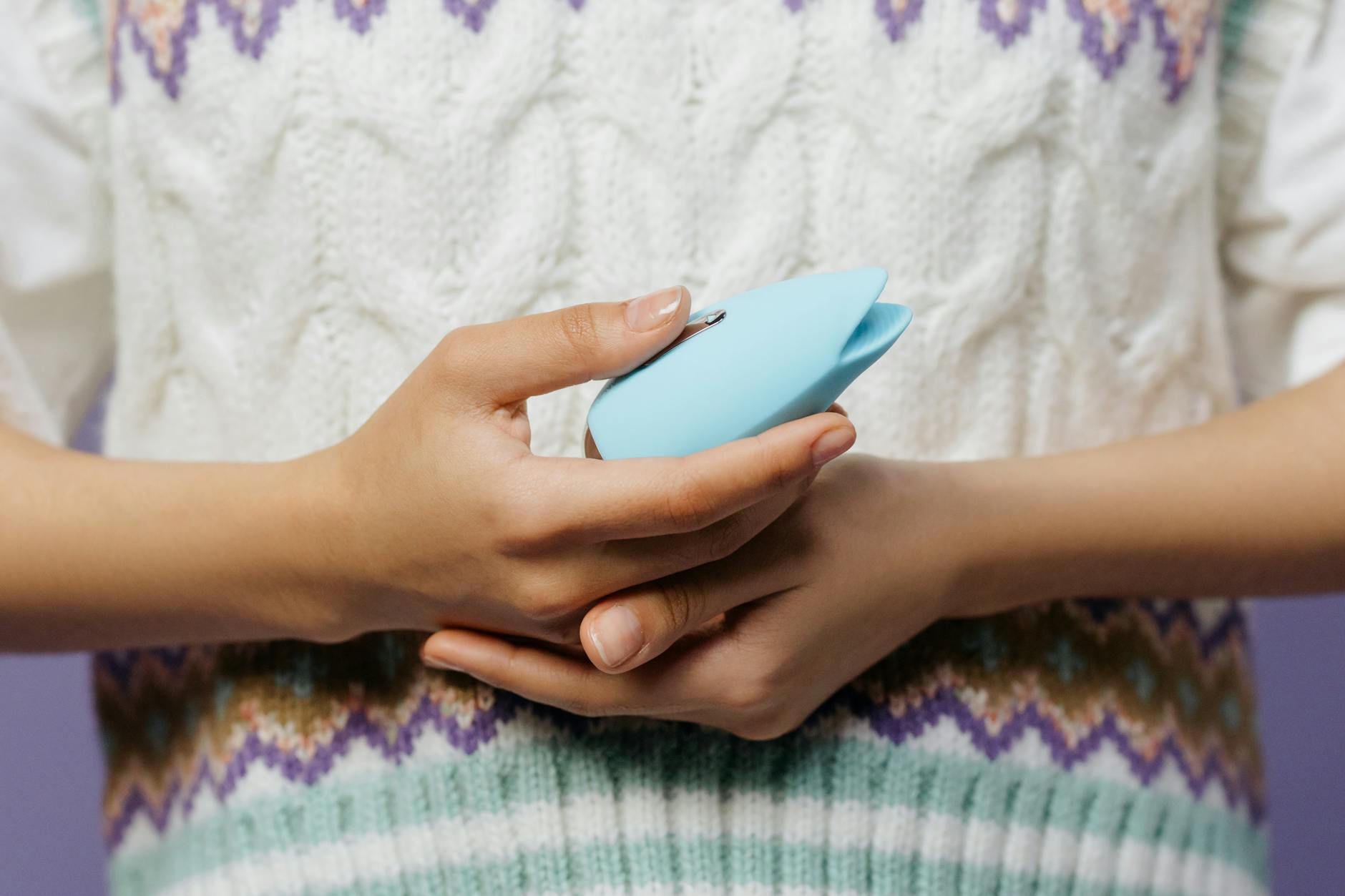
Photo by cottonbro studio on Pexels
Building a practice that actually works
Treat returning to pleasure like you'd treat returning to a sport after time off. You wouldn't run a marathon on day one. You'd ease back in, pay attention to what feels good, and rebuild capacity.
Week one: exploration without expectation. Use your lemon clitoral vibrator on the lowest setting. Try different speeds and patterns. Notice what you actually like, not what you think you should like. Journal about it if that helps.
Week two: add intention. Same exploration, but with a plan to return three times. Begin noticing which patterns create the most pleasant sensation, even if orgasm isn't happening yet.
Week three: dial in. You probably know something about what works now. Stick with it. Let arousal build more deeply. If orgasm happens, great. If not, that's information too. Sometimes it takes a few more weeks.
Many people find that within four to six weeks of consistent, intentional practice, sensation normalizes and pleasure returns. The timeline is different for everyone. Patience with your own body is the actual tool here.
What to watch for and when to ask for help
Pain during sex is not normal and not something to wait out. Genitourinary syndrome (GSM) is real and highly treatable with topical estrogen creams that have minimal systemic absorption. A gynecologist trained in menopause or hormonal health can help within weeks.
If desire has completely flatlined and you're not noticing any upward shift after four weeks of intentional exploration, talk to someone. Low libido after hormonal changes can signal thyroid issues, medication interactions, or hormonal imbalances that are fixable.
If you're grieving your body or feeling shame about changes, a therapist who specializes in midlife transitions is worth the investment. Sensation isn't just physical. It's wrapped up in identity, in feeling sexy, in self-trust. Rebuilding that requires both parts.
The research on pleasure and hormonal health
Studies on post-menopausal sexuality show something consistent: people who have access to good information, intentional practice, and the right tools report satisfaction equal to or exceeding their earlier years. The variable isn't age or hormones. It's attention and the willingness to explore what actually works now.
Lemon clitoral vibrators fit into this because they're designed for what bodies actually need at this stage. Gentler input. More precise stimulation. Less fatigue. The combination creates conditions for discovery instead of forcing sensation to fit an old pattern.
Frequently asked questions
How long does it take to rebuild sensation after hormonal changes?
Three to eight weeks is typical for noticing shifts back toward baseline pleasure. Some people see results in two weeks. Others take three months. The variable is consistency and how significant the hormonal shift was. Intentional practice three to four times weekly tends to move the needle faster than sporadic exploration.
Can lemon clitoral vibrators help if I feel completely numb?
If you're genuinely feeling no sensation at all, that's worth checking with a doctor first. Complete numbness can signal nerve issues or medication interactions that need medical attention. But if you're feeling less responsive than before, yes. The gentler suction and pulsing patterns of lemon vibrators often restore sensation faster than traditional vibrators.
What if my partner and I have different timelines for return to pleasure?
This is really common and really frustrating. One person might be ready in four weeks. The other might take twelve. The key is separating "my body is responding differently" from "I want us to reconnect." Work on your own sensation first. The reunion can happen on a timeline that works for both of you, which often means patience and separate exploration for a bit. That's not a failure. That's wisdom.
Does lube make a difference if I'm using a lemon clitoral vibrator?
Yes, absolutely. Water-based lube softens sensation and reduces friction, which matters more when tissue is thinner. Try it with and without. Most people find that lube changes the experience from sharp to rounded, and changes arousal time from longer to manageable.
Is it normal for orgasms to feel different after hormonal changes?
Completely normal. Orgasms might feel more localized, less intense, longer, shorter, or qualitatively different in texture. This isn't a loss. It's a shift. Many people report preferring post-hormonal-change orgasms because they're easier to reach and feel more controllable. Give yourself two to three months before deciding if the change bothers you.
What if pleasure doesn't return after intentional practice?
Talk to a healthcare provider. This could be medication-related, thyroid-related, relationship-related, or connected to depression or anxiety. How Lemon Vibrators Help When You Feel Pressured to Want Sex addresses some psychological layers too. But if it's been more than two months of consistent practice with no shift, you need more than a toy.
The actual point
Your body changed. That's not a tragedy. It's a signal to pay more attention, get better information, and try different approaches. How Lemon Vibrators Help When Arousal Takes Longer to Build walks through some of the same territory with a focus on timeline. But the core idea is the same: you're not broken. You're adapting.
Lemon clitoral vibrators exist because real bodies need tools designed for what they actually feel like, not what they used to feel like. Use them with patience, intention, and genuine curiosity about what your body needs now. That combination tends to work.
If you have questions about how to navigate this, we're here. Get in touch.