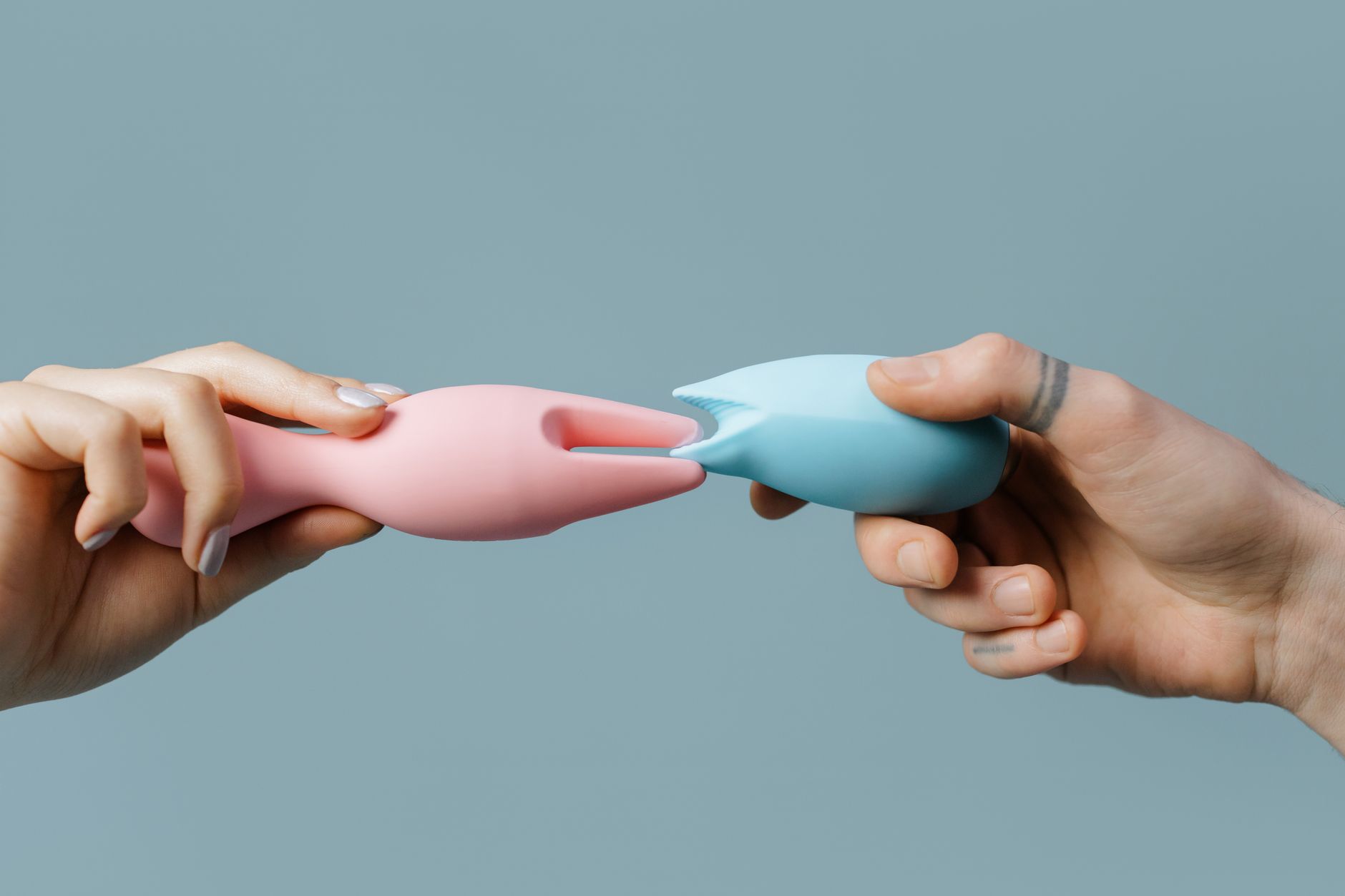
Let's start with the hardest part
Pelvic pain doesn't just hurt. It teaches your nervous system to protect. Your body learns that touch in that region means threat, and unlearning that takes time, patience, and the right tools. Most people assume that once the physical pain resolves, pleasure automatically returns. It doesn't work that way.
Here's what actually happens: chronic or acute pelvic pain creates a protective reflex in your nervous system. Even after medical treatment resolves the underlying condition, your body stays defensive. That's not weakness or damage. That's your nervous system doing exactly what it was designed to do. The path back to pleasure isn't about forcing sensation. It's about slowly, deliberately teaching your body that touch is safe again.
This is where lemon vibrators and other air-suction clitoral tools shift the game.
Why air-suction changes everything for pelvic pain recovery
Traditional vibrators use direct mechanical friction. For someone whose nervous system has learned to fear touch in the pelvic region, that friction can feel triggering, even after healing. The pressure itself can activate old protective patterns.
Air-suction clitoral vibrators, like the lemon vibrator, work completely differently. Instead of vibrating against tissue, they use gentle suction and pulsation to stimulate the clitoris. This creates sensation without direct pressure. The difference is profound: you're engaging the nerve endings without the mechanical intensity that can feel dangerous to a recovering nervous system.
Many of my clients describe the sensation as gentler, almost floating. It's targeted pleasure without the weight of impact. For someone returning to pleasure after pelvic pain, that distinction matters enormously.
The nervous system doesn't care if you're healed yet
Here's the contradiction that trips most people up: your doctor might clear you for sexual activity weeks before your nervous system actually believes you're safe. Medical clearance and nervous system readiness are different timelines. This is why jumping straight back to what you did before the pain usually backfires. Your body is protecting you from something that no longer exists. That protection was helpful once. Now it's in the way.
The best path back involves something called graded reintroduction. You start small. You practice pleasure in ways your nervous system doesn't perceive as threatening. You build positive evidence that touch is safe again. Over time, your body's protective response quiets down.
Lemon vibrators fit into this perfectly because you can start at the gentlest setting, use them solo to rebuild your own relationship with sensation, and progress at a pace your nervous system actually trusts. You're not negotiating with a partner. You're not performing. You're just slowly, quietly teaching your body that pleasure is an option again.
How to rebuild pleasure safely after pelvic pain
Five practical steps I recommend to almost everyone recovering from pelvic pain:
1. Start clothed. Yes, really. You can use a lemon vibrator over underwear or a thin layer of clothing. This creates distance and softness while you're relearning sensation. It often feels less threatening to a protective nervous system. Many people move to direct contact only after a few sessions.
2. Set a timer. Five minutes, not more. You're not trying to reach orgasm. You're building tolerance and evidence that touch is okay. Shorter sessions feel less scary and are easier to repeat.
3. Use the lowest setting first. The lemon vibrator has multiple intensity levels for exactly this reason. Start at pattern one. Spend several sessions there before moving up. Your nervous system needs time to recognize safety.
4. Breathe consciously. Pelvic pain often teaches us to hold our breath and tense the pelvic floor. Recovery involves relearning how to breathe into the pelvis and let muscles relax. Deep breaths during stimulation help your nervous system recognize that you're safe.
5. Track what feels okay. Keep a simple note about timing, intensity, how you felt before and after. This creates a data trail that your nervous system starts to trust. You're building predictability, and predictability feels safer than chaos.
When pleasure returns faster than you expect
Honestly, some people are surprised. After weeks of gentle practice with a lemon clitoral vibrator, their orgasms come back faster and stronger than they expected. This isn't a fluke. There's a reason: by moving slowly and deliberately, you bypass the fear response entirely. You're not fighting your nervous system. You're working with it. That takes longer upfront, but it often leads to clearer, deeper pleasure on the other side.
Some clients tell me their first orgasm after pelvic pain recovery was the most intense of their lives. Your nervous system has been in protection mode. Once it finally believes you're safe, the release can be profound. The key is not rushing toward that moment. Let it unfold.
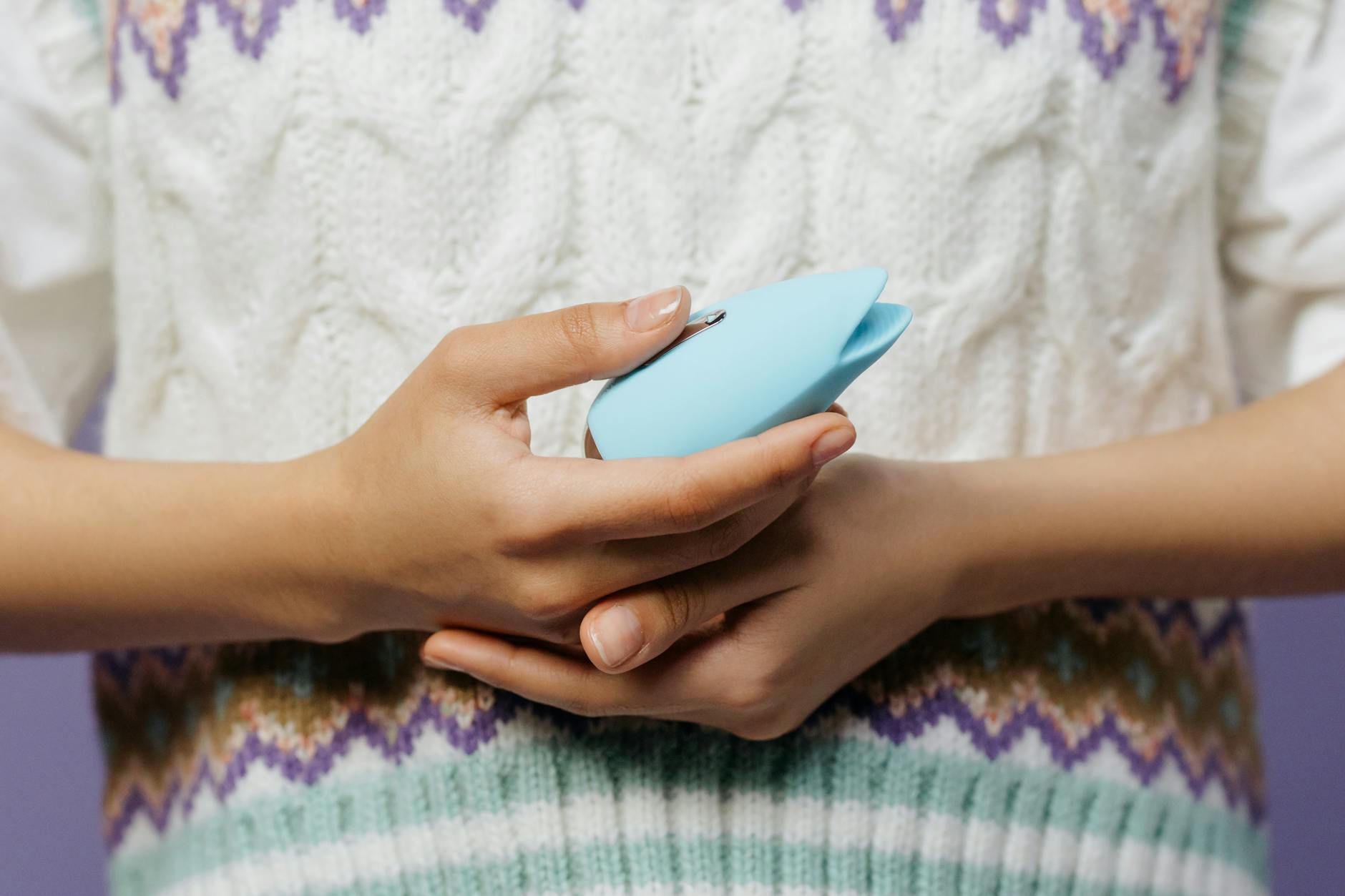 Photo by cottonbro studio on Pexels
When to involve a partner (and how)
If you have a partner, rebuilding pleasure after pelvic pain involves a conversation they might not expect. The goal isn't to jump back to shared sexual activity. The goal is to rebuild your solo pleasure first. That's not rejection. That's strategy.
Once you've spent a few weeks relearning your own nervous system's language, then you can invite a partner into the process slowly. Maybe they're in the room but not touching. Maybe they use a lemon vibrator on you once you've rebuilt basic trust with sensation. Maybe they simply hold space while you use one solo. The progression depends on what your nervous system tells you, not on what feels obligatory.
Partners often appreciate this framing because it's clear and measurable. You're not asking them to wait indefinitely. You're creating a roadmap that moves at a pace both of you can actually handle.
When to check in with a specialist
If you're three weeks into gentle practice and sensation is getting worse instead of better, that's worth a conversation with a pelvic floor physical therapist or a sex therapist trained in trauma recovery. Sometimes there's a secondary issue. Sometimes your nervous system needs professional support to downregulate the protective response. There's no shame in getting help. In fact, it's often the fastest path forward.
The same goes if you notice that pain is returning during or after sessions. That's your body's signal that something's wrong. Listen to it. Adjust, rest, and reach out if you can't figure out what's triggering the response.
FAQ: Returning to Pleasure After Pelvic Pain
Is it safe to use a lemon vibrator if I still have some pelvic discomfort?
It depends on the type of discomfort. Sharp or sudden pain is a no. Mild tenderness or sensitivity often improves with gentle stimulation over time, but check with your doctor first. Most gynecologists and pelvic floor specialists can tell you whether your tissue is ready. If you get the green light, start at the absolute gentlest setting and work up slowly.
How long before pleasure feels normal again after pelvic pain?
There's no fixed timeline. For some people, it's weeks. For others, it's months. The nervous system doesn't respond to pressure or deadlines. It responds to repeated evidence that touch is safe. Gentle, consistent practice typically shows shifts faster than sporadic attempts or forcing it through discomfort.
Can lemon vibrators cause pelvic pain to return?
If you're using them mindfully, no. The risk comes from forcing intensity, ignoring warning signals, or trying to reclaim old sensation patterns too quickly. Start slow, listen to your body, and adjust based on what actually feels good, not what you think should feel good.
Should I tell my partner I'm using a lemon vibrator for recovery, or keep it private?
Both are valid. Some people need solo recovery time first. Others find that involving a partner from the start feels less isolating. There's no right answer. What matters is that you feel safe and supported, whatever that looks like in your relationship.
Can air-suction vibrators help if other vibrators triggered pelvic pain?
Often, yes. Because air-suction works without direct pressure, many people who found traditional vibrators uncomfortable find lemon vibrators easier to use during recovery. That said, everyone's nervous system is different. Start at the lowest setting, stay aware of your body, and stop if anything triggers old protective patterns.
How do I know if I'm pushing too hard during recovery?
If you're tense during the session, if you feel pain afterward, or if you're approaching it as a goal rather than a gentle practice, you're probably pushing. Recovery isn't a performance metric. It's a slow rebuild of trust between you and your own body. If it doesn't feel good, stop. There's no prize for suffering through it.
The path back is slower, but it's real
Pelvic pain changes your relationship with pleasure, but it doesn't end it. Recovery isn't linear, and it definitely isn't instant. Some days you'll feel ready to return to everything. Other days, you'll need to go back to basics. That's completely normal. Your nervous system is learning something new, and learning takes repetition and patience.
Lemon vibrators can be a powerful part of that journey because they let you practice pleasure without the threat response that traditional vibrators sometimes trigger. You're in control of every variable. Intensity. Timing. Pressure. Pace. That control is often exactly what a nervous system recovering from pain needs to start trusting pleasure again.
You don't need to rush. Your pleasure will be waiting whenever you're ready.
Have questions about getting back to pleasure safely? Reach out to chat with our team at the Lemon Clit Store. We're here to help.