
Let's start with what's actually happening
Antidepressants work. They also flatten sensation. Both things are true, and pretending one isn't real doesn't help you.
SSRI antidepressants (sertraline, paroxetine, fluoxetine, and their cousins) save lives. They also blunt physical sensation, delay orgasm, and sometimes make arousal feel like it's happening behind thick glass. It's not a character flaw. It's neuropharmacology.
How antidepressants actually change sensation
SSRIs work by raising serotonin levels in your brain. The problem is they don't just work in the parts of your brain that regulate mood. Serotonin receptors exist all over your nervous system, including the ones that fire when you feel physical pleasure.
Here's what happens: higher serotonin suppresses dopamine release and slows the signals traveling through your peripheral nerves. Your clitoris still has sensation. Your brain is just receiving the signal more slowly and less intensely. It's not numbness exactly. It's more like watching pleasure through a window instead of feeling it directly.
The delayed orgasm piece is even more straightforward. Serotonin suppresses the muscles involved in climax. So your body can feel stimulation, but the mechanism that triggers release gets dampened. You might need 30 minutes instead of 10. Or you might get close and plateau for what feels like forever.
Why lemon clitoral vibrators work differently
This is where design matters more than you'd think. Standard vibrators use continuous buzz or rhythmic pulses. They're great for many bodies, but they rely on your nervous system being responsive enough to translate that vibration into arousal cues.
Lemon vibrators (and other air-suction style clitoral vibrators) work through a completely different mechanism. Instead of vibration, they create gentle suction and release patterns that stimulate the nerve endings in and around your clitoris without requiring traditional sensitivity.
Why this matters when you're on antidepressants: suction stimulation bypasses the dulled signal pathway. It's not asking your nervous system to feel something subtle. It's creating a physical sensation that's harder to miss, even when serotonin is sitting between you and your pleasure. Think of it as a louder signal that gets through the noise.
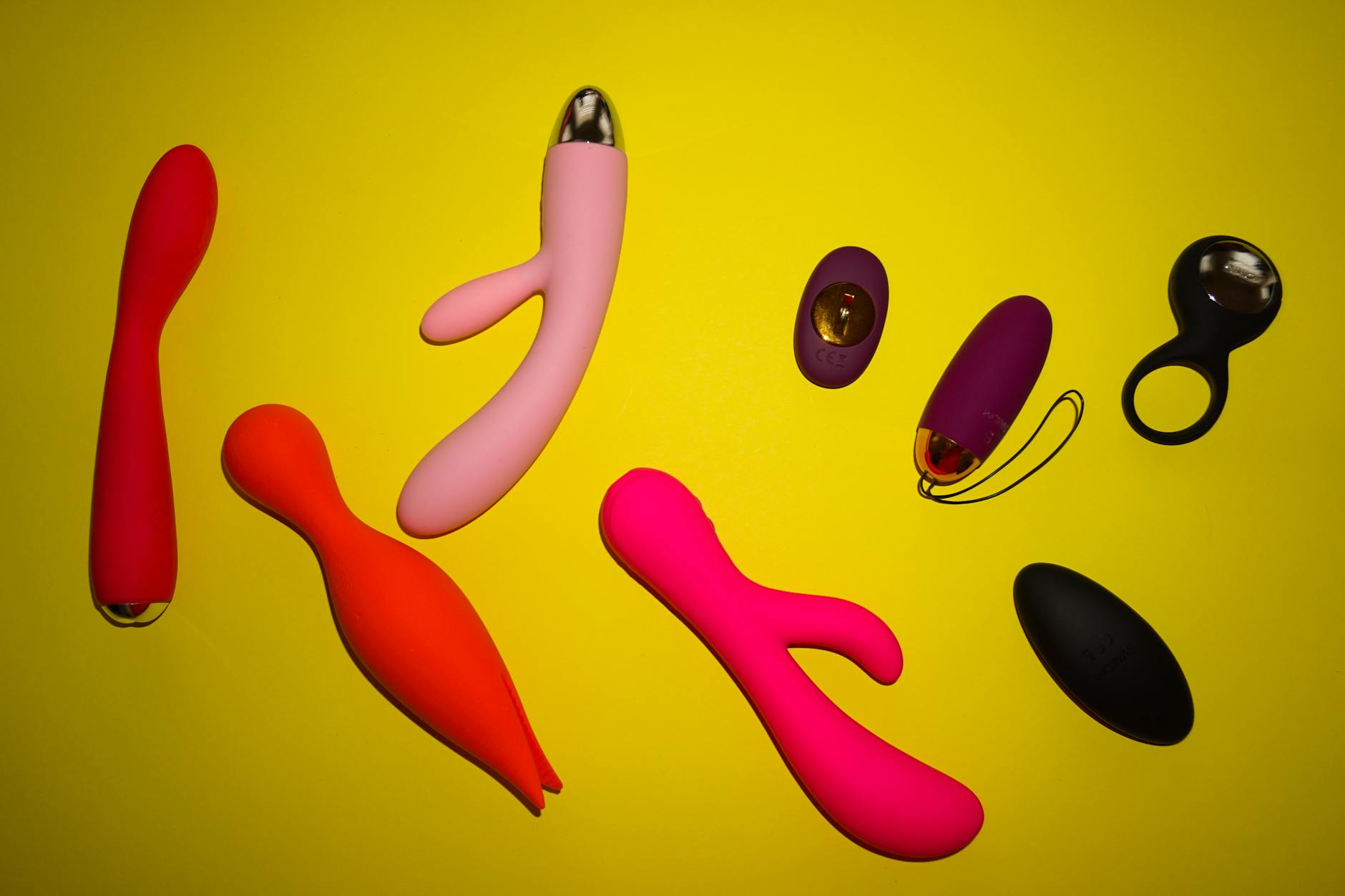
Photo by FounderTips on Pexels
The adjustment timeline nobody talks about
When you start an antidepressant, sensation doesn't disappear instantly. It usually takes 2-4 weeks to fully kick in. The same thing happens when you switch doses or medications. Your body needs time to stabilize.
If you're switching to a lemon clitoral vibrator specifically because of antidepressant-related sensation loss, give yourself the same window. Your first session might feel meh. Your nervous system is relearning how to interpret this new kind of stimulation. By week three, most people report a significant shift.
One thing I tell clients: if you were using a traditional vibrator before starting antidepressants, resist the urge to crank it up to max intensity. That usually backfires. Start at the lowest setting and work up slowly. Your nervous system will thank you.
What actually helps alongside the device
The device is one part of the puzzle. Here are the other pieces that make a real difference.
Extended warm-up time. When sensation is dulled, foreplay isn't optional. Budget 20-30 minutes of touch, kissing, or mental arousal before you introduce the vibrator. Your brain needs time to build the baseline of arousal that makes sensation possible.
Temperature play. Antidepressants make some sensation harder to feel, but temperature is often preserved. Try warming your hands, the lemon clitoral vibrator, or using a warm compress on your inner thighs before starting. The contrast between warm and cool can wake up sensation that feels locked away.
Mental focus, not distraction. I know the culture around pleasure says "just relax and let it happen." With antidepressant-dulled sensation, that's backwards. You need active focus. Notice the exact place where the vibrator touches you. Follow your breath. Mentally map the sensation instead of waiting for it to surprise you. This isn't meditation. It's sensory attention.
Partnered exploration. If you have a partner, involving them changes the neurochemistry. Their touch, attention, and presence release dopamine and oxytocin, which actually help counteract some of the serotonin dampening. You're not just getting stimulation from the lemon vibrator. You're getting the full-body effects of intimacy and attention.
When it might be worth talking to your doctor
Antidepressant-induced sensation loss usually gets better with time, or at least becomes something you can work around. But sometimes it doesn't.
If sensation has been completely flat for more than three months on the same dose, and you're struggling, mention it to your prescriber. You have options. Some people switch to a different SSRI (different ones have different sexual side effect profiles). Some add bupropion, which actually improves sexual function. Some reduce the dose slightly (if the medication is stable). Some try medication-free days before anticipated intimacy (though this only works for some drugs and only with medical supervision).
What you're trying to avoid is suffering in silence and assuming this is permanent. It's not. It's a known side effect with known solutions.
The emotional piece matters too
Here's something nobody talks about: when antidepressants dampen sensation, it messes with your sense of agency. You might start believing you don't want pleasure anymore, when really you just can't feel it as clearly. That's a heavy emotional load to carry.
When you're working with a lemon clitoral vibrator or any tool to reconnect with sensation, you're not just restoring physical pleasure. You're proving to yourself that the desire is still there. That matters psychologically, not just physically. It's permission to want this, to keep trying, to believe that pleasure is possible even when your brain chemistry is working against you.
If anxiety or numbness around sexuality has set in, that's worth addressing separately, maybe with a therapist. Pleasure restoration is both biological and psychological. Both parts need attention.
FAQ
Can I use a regular vibrator if I'm on antidepressants, or do I need a lemon clitoral vibrator specifically?
You can use any vibrator. Lemon vibrators work well for antidepressant-related sensation loss because the suction mechanism creates a different type of stimulation that can feel more pronounced when traditional vibration feels muted. But individual response varies wildly. Some people have great results with a high-power wand vibrator. The key is experiment and patience.
How long does it take for antidepressant-related sensation loss to go away?
It depends on the medication, your body, and your dose. For some people, sensation improves within weeks of starting the medication as your body adjusts. For others, it plateaus and becomes the new normal. There's no standard timeline. If you're concerned, talk to your prescriber about whether this is likely to change or if management strategies would help.
Does having a partner present help with sensation loss from antidepressants?
Yes, often significantly. The emotional and neurochemical aspects of partner touch release dopamine and oxytocin, which can counteract some of the serotonin dampening. But solo exploration also works. The difference is that partnered intimacy usually feels easier because you're getting multiple types of stimulation at once.
If I switch antidepressants, will my sensation come back immediately?
No. When you switch medications, your nervous system needs time to adjust to the new neurochemistry. Sensation loss might improve within a few weeks, or it might shift into a different pattern. Some antidepressants have fewer sexual side effects than others, but there's no way to predict your individual response. Give yourself at least 4-6 weeks before deciding if a switch was worth it.
Can I use lemon vibrators if I'm on antidepressants and also taking other medications?
Yes. Lemon vibrators are external tools. They won't interact with medication. If you're on other medications that affect sensation (like certain diabetes medications, nerve pain treatments, or blood pressure meds), the lemon clitoral vibrator approach still applies. The principle is the same: suction-based stimulation often works better than vibration when sensation is compromised.
Is it normal to need stronger sensation or more intensity when on antidepressants?
Completely normal. Your nervous system is less responsive to subtle stimulation. Needing higher intensity, longer sessions, or more focused stimulation isn't broken. It's adaptation. The important part is listening to what your body actually needs instead of pushing yourself into what you think should work.
The bottom line
Antidepressants save lives. They also change how pleasure feels. That's not a reason to stop taking them. It's a reason to get smarter about how you approach sensation and pleasure. Lemon vibrators work for many people dealing with antidepressant-related sensation loss because they work differently than traditional vibrators. They bypass the dulled signal pathway and create a clearer physical sensation that your nervous system can pick up even when serotonin is in the way.
You're not broken. Your medication is working. And there are tools and strategies that genuinely help reconnect you with pleasure. Give yourself the same patience and grace you'd offer a friend in this situation. It's worth the effort.