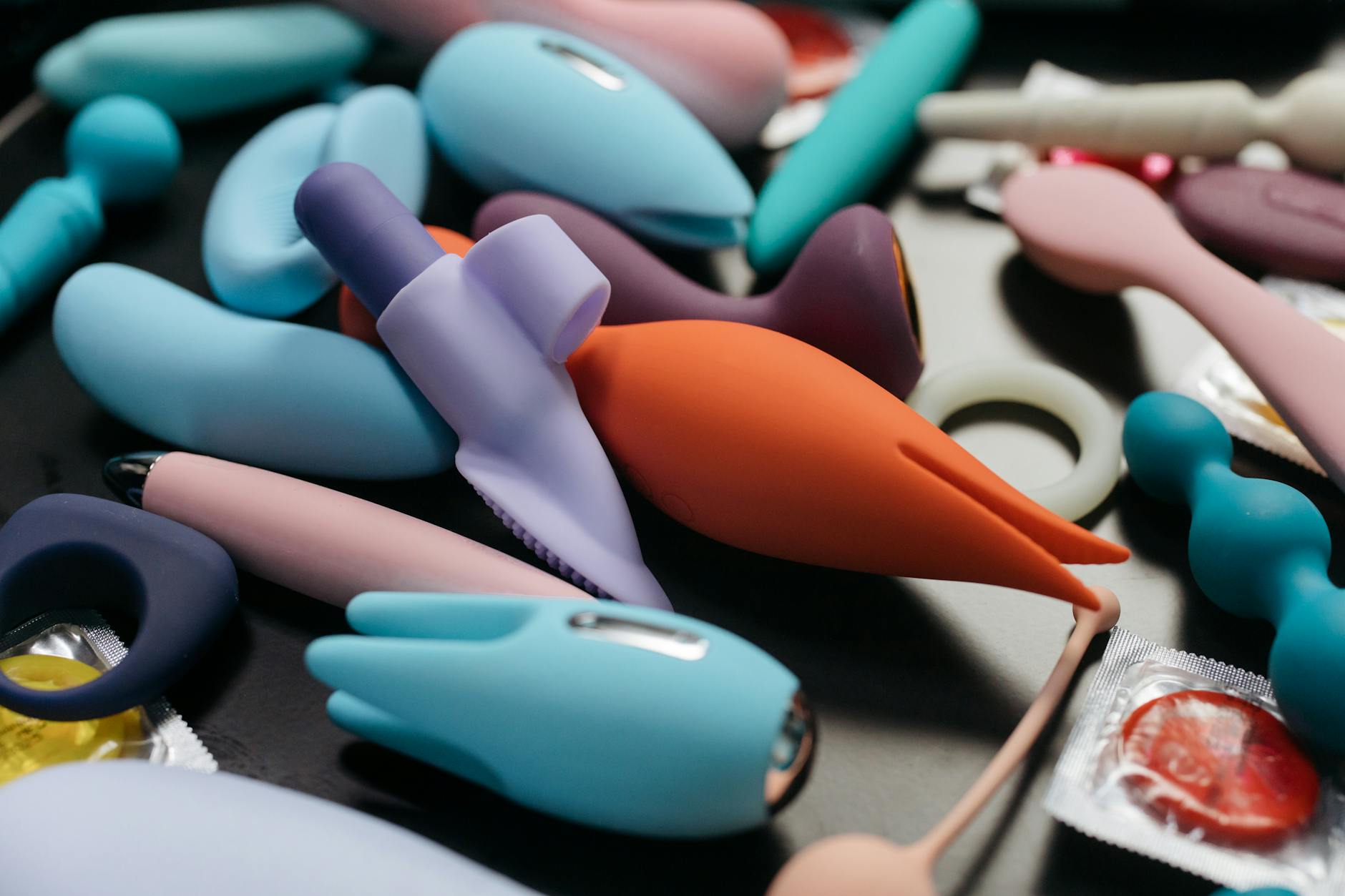
The honest thing nobody tells you about therapy sex
You're in couples therapy. Someone recommended it, or you both finally agreed it was time. And now you're sitting there wondering: what happens to the sex part? Do you wait until everything is fixed? Do you pretend nothing's changed while you're actively working on your relationship?
Here's the truth I tell my clients: the best time to rebuild intimacy is not after therapy ends. It's during it.
But here's the other truth: during therapy, when you're excavating old hurts and renegotiating how you connect, traditional approaches to pleasure often fall flat. You're both more careful, more self-conscious, more aware of the gap between where you are and where you want to be. That's when lemon vibrators become genuinely useful. Not as a band-aid, but as a bridge.
Why couples therapy changes what turns you on
When you're actively working on relationship repair, vulnerability increases. That's good. But vulnerability also means less automatic arousal, more performance anxiety, and a heightened awareness of whether your partner is actually present or just going through the motions.
Traditional vibrators ask a lot in this state. They demand build-up, they require sustained attention, and they often feel more intense than what your nervous system is ready for when you're emotionally exposed.
Lemon vibrators work differently. Air-suction clitoral stimulation mimics the exact pattern of stimulation that the clitoris responds to most naturally. You're not overriding your nervous system. You're meeting it where it is. The sensation is gentler, more focused, and paradoxically more reliable when you're trying to rebuild trust in your own body and your partner's presence.
The mechanics of reconnecting through sensation
Let's get specific about what's actually happening here.
When couples are in therapy, physical touch often becomes fraught. You want to be intimate, but you're also protecting yourself. The clitoris has about 8,000 nerve endings, and they're incredibly attuned to context. If your brain is only half-present because you're worried about whether this means everything is okay, your body knows it.
Lemon clitoral vibrators like the ones from Lemon Clit Store create a vacuum seal that works with your natural anatomy rather than against it. This means your nervous system doesn't have to override discomfort or numbness to feel something. The stimulation is just... there. Present. Available. If you want it.
This matters in therapy because it removes one layer of performance. You're not trying to "get there" fast enough or prove that you're attracted. You're just experiencing what feels good right now, which is harder than it sounds when you're emotionally rebuilding.
How to introduce them into your couples practice
First: talk about it outside the bedroom. Not as a solution, but as a tool. "I've been reading about how lemon vibrators help couples during this kind of work. Would you be open to trying one together?"
The language matters. You're not saying your current approach isn't working. You're saying you want to experiment with something that might help you both feel more present.
Second: start solo first. Spend a week or two exploring on your own. This isn't selfish. This is crucial. You need to know how your body responds without the pressure of your partner watching. This builds confidence that will translate directly into coupled pleasure later. When you understand what you want, you can actually ask for it.
Third: when you bring it into partnered time, treat it as play, not performance. Set a specific time (don't wait for spontaneous arousal while you're both in therapy). Dim the lights. Use the lowest setting first. Let your partner just be present. They don't have to do anything except occasionally check in.
The psychology of gentler stimulation when trust is rebuilding
Here's something most people don't realize: gentler stimulation during relationship repair actually creates more authentic reconnection than trying to force intensity.
When you use lemon vibrators during this phase, you're signaling something important to your nervous system. You're saying: I trust that what feels good doesn't have to feel explosive. I trust that I can be present for pleasure even when I'm also grieving what was broken. I trust that my partner can be here without fixing everything first.
That's psychological gold. Because rebuilding intimacy after therapy gets hard precisely because one partner is often more ready than the other. One person wants to move forward. The other needs more time. A clitoral vibrator that doesn't demand you be at a certain arousal level to feel something lets both of you meet in the middle.
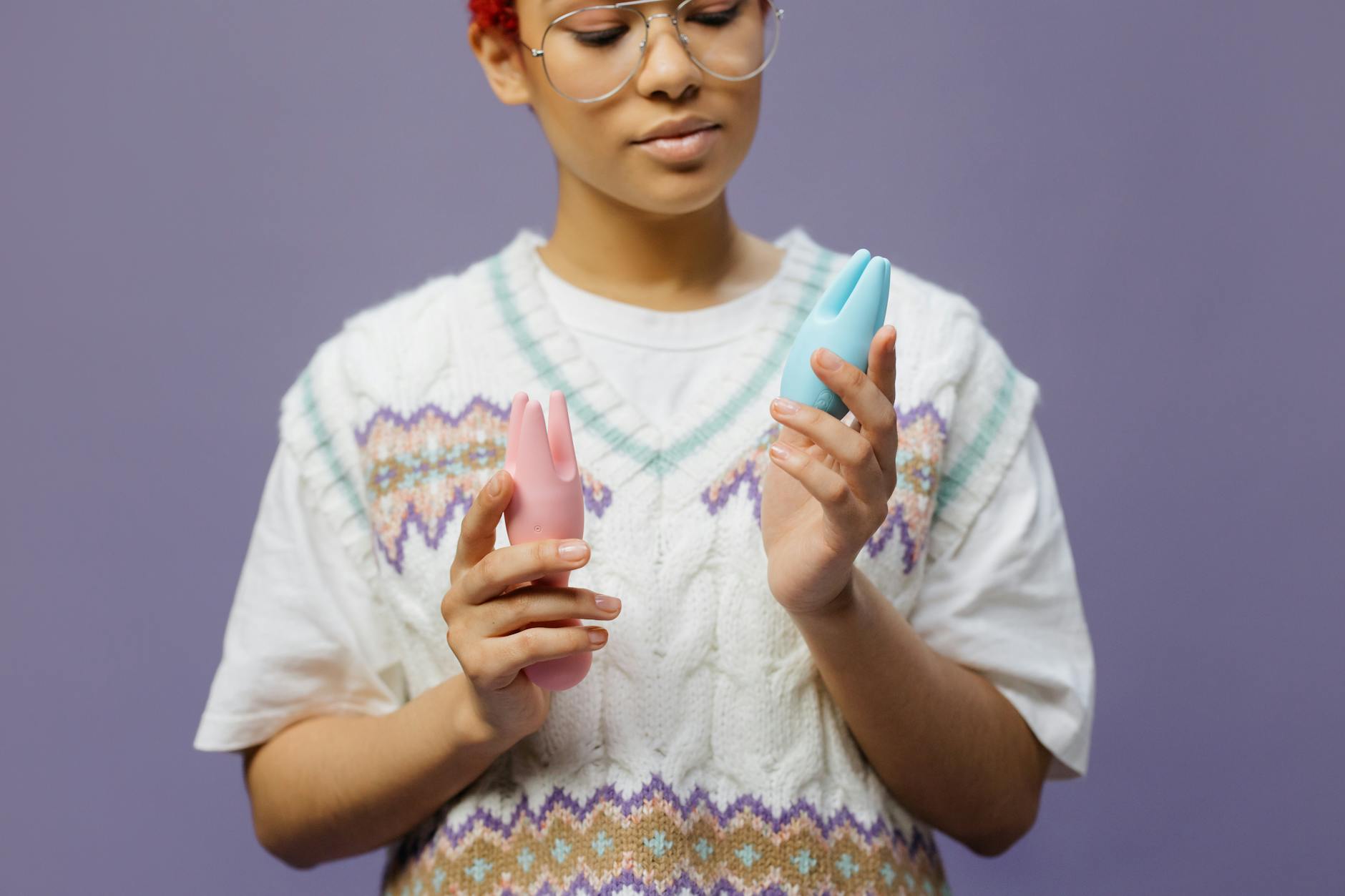
Photo by cottonbro studio on Pexels
Specific scenarios where they help most
Scenario one: You want physical intimacy but your partner isn't ready. Lemon vibrators create a middle ground. You can be intimate together without traditional penetration or the specific touch they're not ready to give yet. You're both present, both on the bed, but you're following your own pleasure timeline. That's healing.
Scenario two: You're both ready but you're worried about doing it wrong. Using a lemon vibrator removes the pressure to be a certain kind of lover right now. You're both learning. The vibrator does part of the work while you focus on being emotionally available.
Scenario three: You've been hurt and your body doesn't trust touch the way it used to. Lemon clitoral vibrators put you in control of the sensation. Your partner doesn't have to guess the pressure. You can adjust instantly. That agency matters when you're rebuilding physical safety.
The timing question: when to move past toys
There's often an assumption that using toys during therapy means you're not truly reconnecting. That's backwards. Using a lemon vibrator is reconnecting. You're saying: my pleasure matters, and I'm willing to advocate for what I need. That's what therapy is actually teaching you.
Some couples use them throughout their therapy. Others use them for a few months and then gradually shift toward other kinds of touch. Both are fine. The point is that you're rebuilding arousal alongside emotional repair, not waiting for one before starting the other.
As trust deepens and your nervous system settles, you might find you want less stimulation, or different kinds. That's normal. The lemon vibrators aren't a permanent tool. They're a bridge. But they're a really good bridge.
Why air-suction works better than traditional vibration during this phase
I get asked this a lot: why not just use any vibrator? The difference is real.
Traditional vibrators buzz. That vibration travels through the tissue and creates a kind of persistent intensity that works great when you're fully aroused and not thinking about anything else. But when you're in couples therapy, when you're emotionally open and a little bit guarded at the same time, that persistent buzz can feel like too much. Your nervous system reads it as demanding.
Air-suction feels like suction. It's a pulling sensation that the clitoris is literally designed to respond to. It's less invasive, more intuitive, and it stops feeling good the moment you lose interest. There's no momentum to override. That's a feature, not a bug, when you're trying to rebuild trust in your own signals.
Many therapists now recommend clitoral vibrators to their clients precisely for this reason. We know they work. We know couples feel safer using them during vulnerable phases.
The conversation to have with your partner first
Don't just show up with a lemon vibrator. Have a real conversation.
Try: "I've been thinking about how we can rebuild physical connection while we're doing this work. I know we're both still figuring things out. I read about how lemon clitoral vibrators help couples during therapy because they take some pressure off both people. Would you be open to trying it? No pressure if you're not, but I think it might help."
Then listen. Your partner might say yes immediately. They might need to think about it. They might have concerns. None of those responses mean anything except what they literally mean. Keep talking.
If your partner is hesitant, ask why. Are they worried it means you're not attracted? That they're not enough? Often the hesitation isn't about the toy at all. It's about the conversation you haven't had yet.
FAQ: Couples therapy and lemon vibrators
Is using a vibrator cheating on my relationship rebuilding?
No. Using a lemon vibrator together is a form of intimacy and vulnerability. You're literally exposing your pleasure to your partner. That's the opposite of cheating. It's reconnection.
What if my partner thinks vibrators are for people whose relationships are broken?
Most therapists now view couples who introduce new tools during therapy as more committed to change, not less. You're both saying: we're willing to try things differently. That's not a failure. That's progress.
Should I hide it from my therapist?
You don't need to announce it, but if it comes up, there's no shame. Good therapists know that couples who incorporate pleasure tools during repair actually often have better outcomes. We understand that intimacy isn't something you turn off while you're working on everything else.
How do I know if my partner is comfortable with it?
Check in before, during, and after. "Is this feeling good?" "Do you want more, less, or different?" "How are you feeling about this?"
Those conversations are often more valuable than the physical experience itself.
Can we use a lemon vibrator if we haven't had sex in years?
Absolutely. In fact, this is exactly when they help most. You're reconnecting with pleasure gradually, without the pressure of traditional sex. A lemon vibrator lets you rebuild arousal from a place of safety.
What if only one of us wants to use it?
That's fine too. One of you explores solo while the other is present but not directly involved. This still builds intimacy because you're normalizing pleasure as part of your relationship.
The bigger picture: pleasure as part of repair
Couples therapy isn't about putting your life on pause until everything is fixed. It's about learning to move differently while you're still living. That includes pleasure.
When you use lemon vibrators during this phase, you're doing something your therapist probably hoped you would: you're proving to your nervous system that good things are still possible. That your body still responds. That your partner can be present during your pleasure. That intimacy doesn't have to wait.
Lemon Clit Store's clitoral vibrators are designed exactly for this kind of vulnerable, intentional use. They're not aggressive. They're responsive. They let you set the pace.
If you're in couples therapy and you're wondering whether it's okay to want pleasure right now, the answer is yes. It's more than okay. It's necessary.
Have the conversation. Try something new. Your relationship might just deepen because of it.
If you're navigating this and need resources or want to talk through your specific situation, reach out to us. We're here.