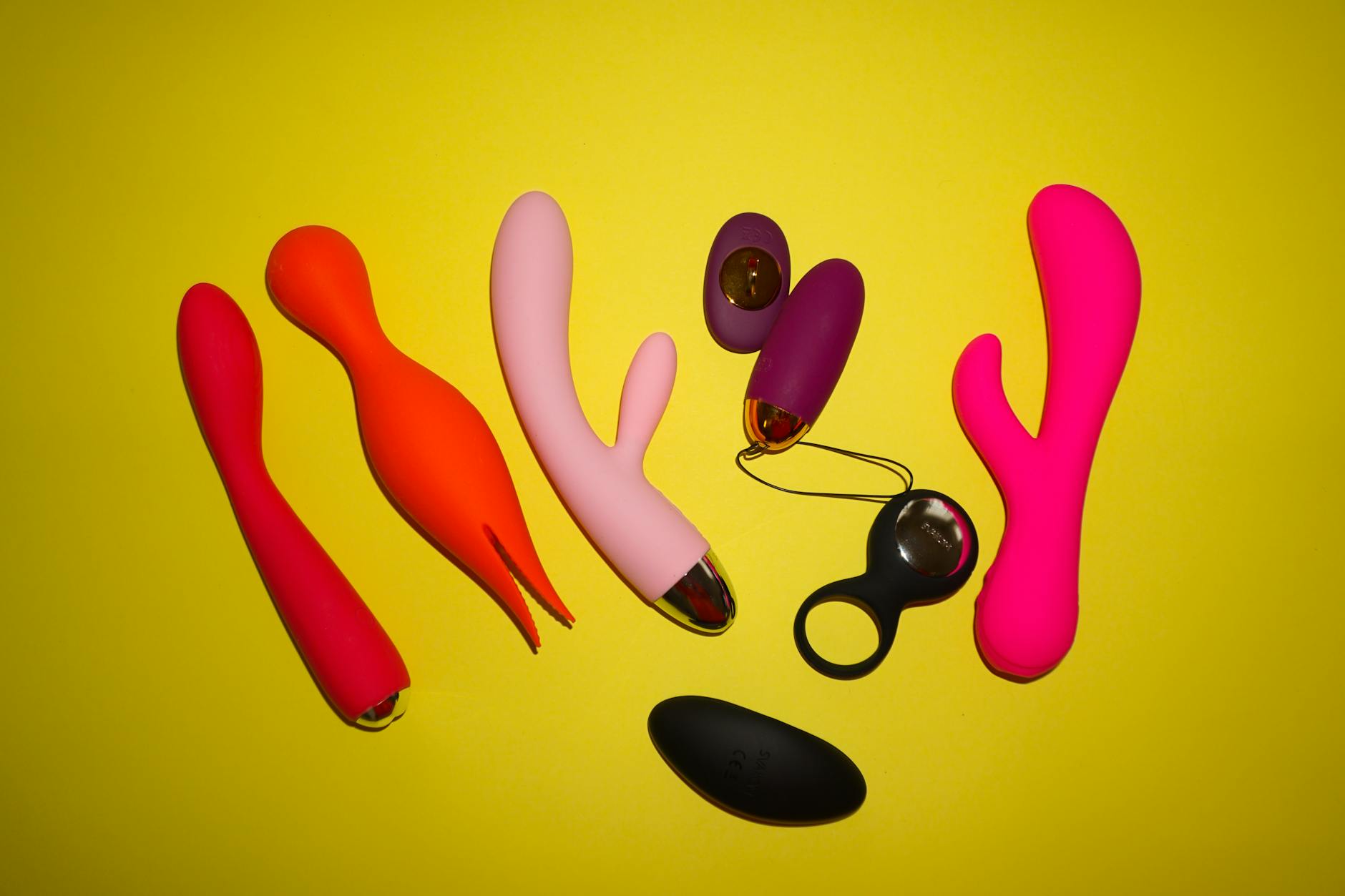
The speed mismatch that nobody talks about
Let's be real: one of you gets there in five minutes, and the other needs twenty. It's not a problem, but it feels like one because the timing pressure starts messing with everyone's pleasure.
Here's the thing nobody says clearly enough. Your partner's desire to move fast isn't rejection. Your need for time isn't a flaw. These are just two different arousal patterns trying to exist in the same encounter, and when they collide, somebody ends up either rushing or waiting.
That's where lemon vibrators change the equation entirely.
Why the speed mismatch happens
Arousal timelines are wildly individual. Some people—often those with penises—build arousal quickly and peak fast. Others—often those with vulvas—need a longer ramp, more varied stimulation, and a different kind of buildup to reach the same intensity.
This isn't about technique or love or attraction. It's neurological. The pathways that trigger arousal, the sensitivity thresholds, the way the nervous system responds to touch—these vary so much from person to person that "normal" timelines are basically fiction.
Add a relationship to this, and you get a common pattern: the faster partner feels impatient (or bored, or frustrated), the slower partner feels rushed (or resentful, or like they're failing), and both people end up less present in their own pleasure.
The solo warm-up that changes partnered sex
Here's what I see work repeatedly in my practice: one partner starts their warm-up solo while the other is still getting ready. This isn't infidelity. It's physics.
If you're the one who needs more time, spending ten minutes with a lemon clitoral vibrator before your partner joins means you're not starting from zero. You're already warm, already responsive, already halfway up the arousal curve when they arrive.
Your nervous system has a head start. Your body is primed. The extra stimulation doesn't feel like compensation—it feels like foreplay that happened to start without them.
When your partner enters the picture, you're not in catch-up mode anymore. You're meeting them somewhere in the middle.
Why lemon vibrators work better than traditional vibration for this
Lemon suction vibrators use a completely different mechanism from standard vibrators. Instead of buzzing against your tissues, they use gentle suction to stimulate the nerve clusters around your clitoris.
This matters for speed mismatches because suction creates a different quality of sensation—deeper, more diffuse, less likely to overstimulate. You can spend longer building with a lemon clitoral vibrator without losing sensitivity.
That longer warm-up time doesn't feel grinding or exhausting. It feels like you're accessing layers of arousal, not just hammering away at one note.
When your partner joins in, you're not numb. You're not desensitized from twenty minutes of intense vibration. You're warm and responsive and ready for direct touch without needing the whole process to start over.
The conversation that actually works
Before you introduce a vibrator into partnered sex, you need to frame it correctly. Here's what doesn't work: "I need this because you're too fast." That lands like criticism, and it'll derail the conversation immediately.
Here's what does work: "I want to come with you. To make that easier, I'm going to get myself warmed up first so we can match timelines." That's collaborative. That's saying you want the same thing—mutually satisfying sex—and you're problem-solving together.
Most partners actually like this. It means less performance pressure, less awkward timing negotiations, more actual connection when you're together.
Practical timing that feels natural
Start your warm-up five to ten minutes before your partner is ready. You're not in a separate room for hours. You're in the same space, maybe touching, maybe not, building arousal while they're getting there too.
When they're ready, you're already responsive. The transition from solo to partnered feels seamless instead of jarring.
If your partner is significantly faster, they might need to slow down consciously during partnered sex—which is its own skill, but it's easier when they're not managing both timelines at once.
The sensitivity sweet spot
One of the best parts of using lemon vibrators before partnered sex is that you can dial your arousal to a specific place. With suction vibrators, you can spend time in that medium zone—turned on, responsive, but not at peak.
Peak is for partnered contact. The warm-up gets you there without going over.
This also means when your partner does engage directly, the sensation lands differently. You're more sensitive to their touch because your nervous system is already activated. Direct stimulation feels more intense, which means they get to feel like they're doing the work that pushes you over the edge.
Everybody wins here.
What actually changes in the room
When you stop treating the speed mismatch like a problem and start treating it like a timeline difference, the quality of sex shifts. Your partner isn't waiting. You're not rushing. You're both moving at your own pace until you synchronize.
There's less performance pressure. There's more actual connection because you're both present instead of one person managing the other's timeline.
The orgasms are often stronger too, because you're not executing a logistical plan. You're following your actual arousal.
When timing mismatches mean something else
Here's the thing though. If your partner always rushes, and there's no willingness to slow down or work with you, that's worth examining. A speed mismatch is one thing. Unwillingness to care about your arousal is different.
A vibrator can bridge a timing gap. It can't fix someone who doesn't want to meet you halfway. Make sure you know which one you're dealing with before you introduce tools to the bedroom.
If your partner is genuinely interested in mutual pleasure, they'll be relieved to have a solution that works. If they resist the idea that your arousal matters, that's information too.
The bigger picture
Most couples have some version of this mismatch. One person fast, one person slow. The couples who figure this out stop seeing it as a problem and start seeing it as architecture—something you can work with once you understand how it functions.
Lemon clitoral vibrators are tools that make this architecture clearer and easier to navigate. They let you warm up on your timeline, they keep you sensitive and responsive, and they mean you can show up for partnered sex without anybody sacrificing their actual arousal.
Your pleasure timeline matters. So does your partner's. You don't have to choose between them.
People also ask
Can I use a lemon vibrator during partnered sex, or just before?
Both. You can warm up solo beforehand, but plenty of couples also use clitoral vibrators during partnered sex. Some partners hold it while they're also touching you in other ways. Some couples use it together as part of foreplay. The suction sensation from lemon vibrators actually pairs really well with penetrative contact because it's a different type of stimulation—you're not competing for the same nerve endings. Experiment and see what feels good for both of you.
Will using a vibrator make me less sensitive to my partner's touch?
No. Actually, the opposite. Lemon suction vibrators are gentler and less likely to cause desensitization than traditional vibration. You're more likely to feel more responsive to direct touch after using one, not less. If anything, your partner might notice you're more easily aroused during partnered contact because your nervous system is already activated.
What if my partner feels threatened by the vibrator?
That's a conversation worth having before you bring it into the bedroom. Frame it as something that helps you both get what you want—synchronized pleasure instead of timing negotiations. Many partners feel relieved when they realize a vibrator means less pressure on them to "make" you come on their timeline. If your partner stays resistant after understanding the benefit, that might point to deeper insecurity or mismatched values around your pleasure that deserves attention.
How long should my warm-up take before partnered sex?
Anywhere from five to fifteen minutes, depending on your timeline. The goal isn't to come alone. It's to get warm, responsive, and on your own arousal curve so that when your partner joins, you're meeting somewhere in the middle instead of starting from zero. Start with five minutes and adjust based on what feels natural.
Can we use a lemon vibrator together if we're both slow to arousal?
Absolutely. If you're both slower to build arousal, using a clitoral vibrator together during foreplay can actually speed up the mutual warm-up without feeling rushed. You're building arousal simultaneously, which means you hit responsive states at roughly the same time. This removes the whole timing negotiation from the equation.
Do I need to tell my partner I'm using a vibrator beforehand?
Yes. Introducing a vibrator without communicating about it first creates distance and surprise, and neither of those is great for intimacy. Frame it as something that helps you both. "I want us to have better sex, and I've realized my warm-up timeline is different from yours. I'm going to spend a few minutes with a vibrator beforehand so we're more in sync." Most partners appreciate the directness and the solution-focus.
The bottom line
Speed mismatches are solvable. They don't require either person to change their natural arousal timeline. They just require tools and communication.
Lemon vibrators give you a way to warm up on your timeline without waiting for your partner or asking them to slow down artificially. Your partner gets to move at their pace. You get to move at yours. When you come together, you're actually synchronized instead of managing logistics.
That's better sex. That's more presence. That's both of you getting what you actually want instead of negotiating around what you're biologically inclined to do.
If you're curious about trying this, explore the clitoral vibrators at Lemon Clit Store. Or reach out if you want to talk through how to introduce this conversation with your partner.