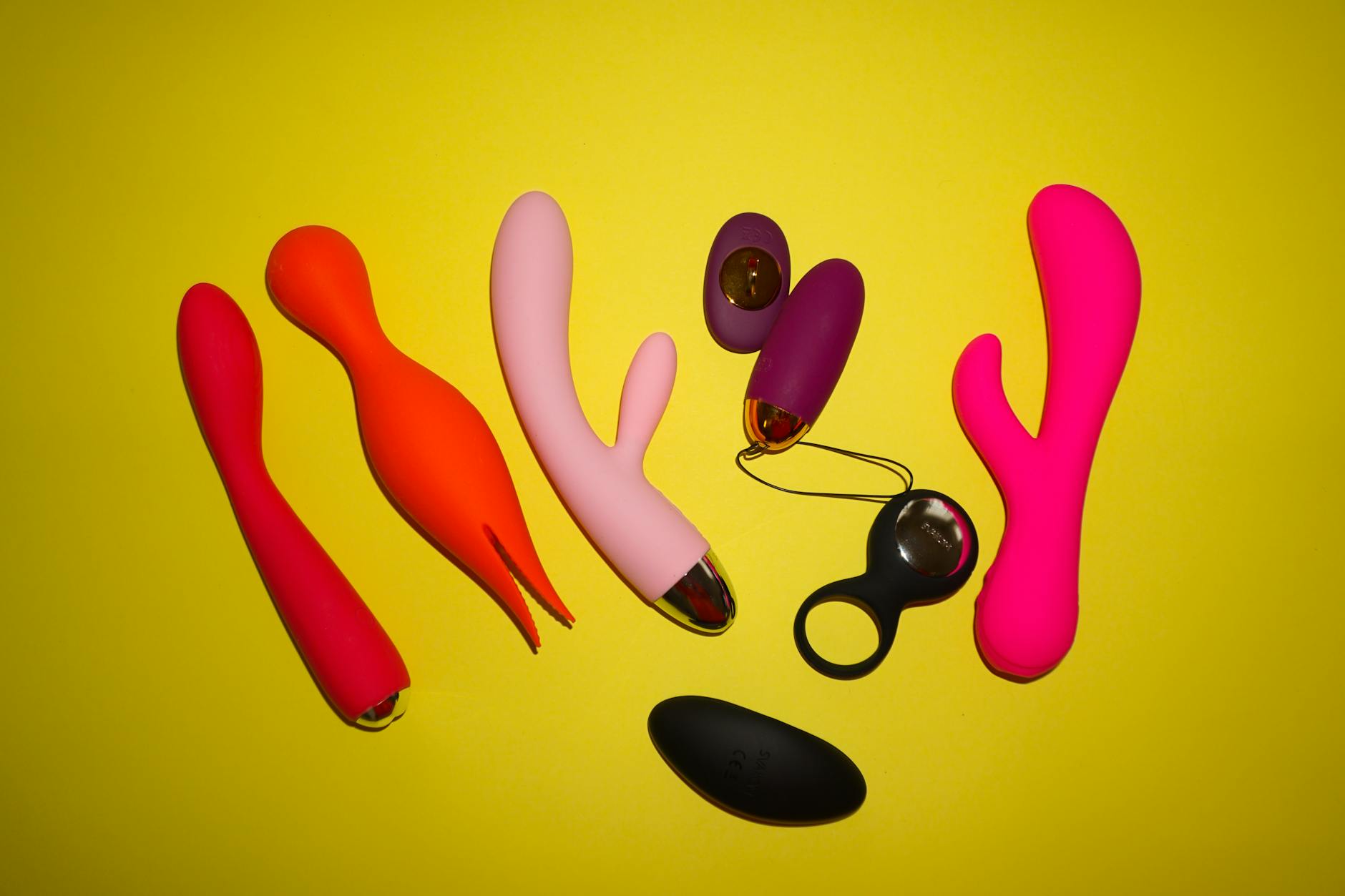
Let's be real about your clitoris and hormones
Your clitoral sensitivity isn't fixed. It changes. Wildly, sometimes. Across your menstrual cycle, hormones shift the blood flow to your clitoris, alter nerve sensitivity, and change how quickly you can reach orgasm. Most people don't talk about this, so they assume something is broken when sensitivity dips mid-cycle. Nothing is broken. Your body is just cycling.
Here's what actually happens physiologically, and what it means for pleasure.
The four phases and what shifts
Your menstrual cycle creates a four-phase sensitivity pattern. Understanding it takes the shame out of "Why does this feel different today?"
Menstruation (days 1-5). Estrogen and progesterone are at their lowest. Blood flow to the clitoris decreases slightly. Many people report that sensitivity feels more muted, and it takes longer to reach arousal. Some also experience cramping that makes direct stimulation uncomfortable. This is the phase where gentler, broader suction might feel better than intense vibration. Lemon vibrators let you dial down the intensity without losing the sensation entirely.
Follicular phase (days 6-14). Estrogen begins climbing as your body prepares for ovulation. Blood flow to the clitoris increases, tissues plump slightly, and sensitivity sharpens. Arousal kicks in faster. Orgasms often feel more intense and easier to reach. This is when you might crave higher intensities and faster patterns. Your lemon vibrator can handle that because it adjusts across a full range.
Ovulation (days 14-16). Estrogen peaks right before ovulation, then drops sharply. During these 48 hours, clitoral sensitivity hits its highest point of the cycle. Blood flow is maximum. Neural response is fastest. Many people report that even light touch feels intensely pleasurable. This is when you might want to start on lower patterns because your body is primed. Overstimulation is actually possible during this window.
Luteal phase (days 17-28). Progesterone rises as estrogen falls. Sensitivity begins to dull again, but differently than menstruation. Some people describe it as a flatter sensation. Others notice their clitoris feels slightly less engorged. Arousal takes longer to build, similar to the menstrual phase. Patience matters here more than intensity.
Why lemon vibrators track these shifts better
Traditional vibrators offer speed or nothing. Lemon vibrators (and the clitoral suction technology they use) work differently. They create a gentle seal around the clitoris, then pulse. This means you're not fighting friction or pressure. You're working with your body's natural response patterns.
Three reasons this matters for cycle-based sensitivity changes:
1. Suction adapts to engorgement. When your clitoris is engorged (ovulation and follicular phases), the seal feels perfect. When it's less swollen (menstrual and luteal phases), the same device still creates sensation because suction doesn't require maximum tissue volume to work. A traditional vibrator that relies on direct friction struggles when tissue is less engorged.
2. You can dial intensity without losing sensation. During high-sensitivity windows, you can start on pattern 1 or 2. During low-sensitivity windows, you might move to pattern 5 or 6. The sensation stays pleasurable across the range instead of becoming either too intense or too faint. This flexibility tracks your cycle without requiring different devices.
3. The broad stimulation reduces overstimulation risk. During ovulation, when sensitivity peaks, suction spreads the sensation across a wider area than a point vibrator does. This means less chance of the "too much, too fast" feeling that can derail pleasure during your most sensitive days.
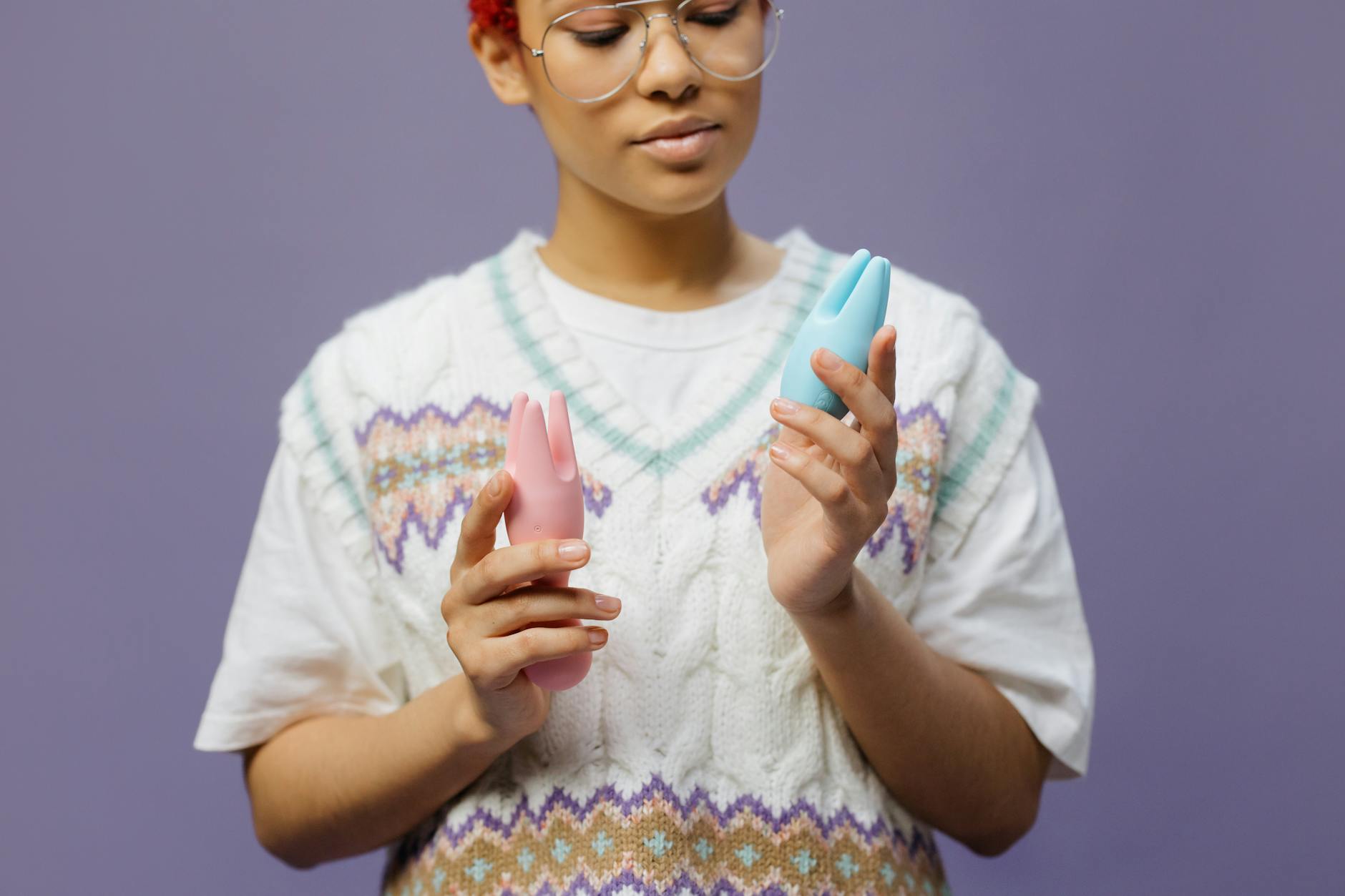
Photo by cottonbro studio on Pexels
The arousal timing thing nobody explains
Your cycle doesn't just change sensitivity. It changes how long arousal takes to build. This matters because it changes how you should approach solo or partnered pleasure.
During your follicular phase and ovulation, arousal might build in 5-10 minutes. Your body is primed. Light touch gets things moving fast. During menstruation and the luteal phase, budget 15-25 minutes for arousal to build. Your clitoris needs more sustained stimulation to wake up.
This is where lemon vibrators help more than you'd expect. Because suction creates a sustained sensation without the hand fatigue of traditional vibration, you can comfortably maintain stimulation for longer warm-up periods without your arm getting tired. You can stay consistent across your cycle without adjusting your effort.
Tracking your own pattern (yes, you should)
Your cycle pattern might not match the textbook description above. Stress, sleep, travel, and individual hormone variations shift when peaks and dips happen. The best move is to track your own sensitivity for two or three cycles.
Notice what happens on day 14, day 21, day 7. Pay attention to which days feel "easier" and which feel like you need more time. Track patterns like "ovulation week I always want lower intensity" or "luteal phase I need more warm-up time." Once you see your personal pattern, you can plan pleasure around your cycle instead of being caught off guard by shifts.
A lot of people using lemon vibrators report that once they track their cycle, they stop blaming themselves for changing desires. Sensitivity isn't inconsistency. It's biology.
What to do during low-sensitivity windows
When sensitivity dips (menstruation, luteal phase), you have three good moves.
Start with longer warm-up. Extend your arousal time. Your clitoris will respond, but it needs runway. Begin on lower patterns and let sensation build gradually.
Add lubricant generously. Even if natural lubrication feels normal, external lubricant reduces friction and can make lower-sensitivity periods feel more pleasurable. Water-based works with any toy material and feels smooth against delicate tissue.
Use broader, sustained patterns instead of fast fluttering. Many lemon vibrators offer patterns that pulse steadily rather than vibrating at high speed. During low-sensitivity phases, steady patterns often feel more satisfying than quick ones because they create deeper sensation with less direct pressure.
What to do during high-sensitivity windows
When sensitivity peaks (ovulation), keep three things in mind.
Start lower and work up. Begin on pattern 1 or 2 instead of jumping to what you usually need. Your body is already primed. You might be surprised how much sensation pattern 3 creates when your clitoris is fully engorged.
Watch for overstimulation. If sensation becomes sharp or uncomfortable rather than pleasurable, dial back intensity. Overstimulation during high-sensitivity phases can numb you for hours. Better to stay in the sweet spot.
Explore different patterns. High-sensitivity windows are good time to try patterns you usually skip because they feel too subtle. They might hit differently when your sensitivity is already elevated.
The partner conversation (if you have one)
If you have a partner, the cycle sensitivity conversation is worth having because it removes a lot of confusion and blame. "I wanted this last week and don't want it this week" isn't about the partner. It's about clitoral engorgement and nerve sensitivity shifting.
Sharing your cycle pattern with a partner means they understand that on day 14 you might be more interested in sex than on day 24, and that's biology, not rejection. It also means you can ask for what you need. "Can we spend 20 minutes on warm-up this week?" or "I want to start on a lower intensity tonight" becomes normal conversation instead of something that feels like criticism.
When lemon vibrators are part of the picture, partners often become more comfortable with the variation because the device does the work of adjusting to your body's needs. Nobody has to guess.
Why this matters for long-term pleasure
Here's what I've seen in my work with couples: the people who track their cycle and adjust their approach tend to have more consistent pleasure over time. They're not fighting their bodies. They're working with them.
Most people think pleasure should be stable. It isn't. Your desire, your sensitivity, your arousal speed all flux across your cycle. That's not a problem. That's information. Once you accept that your clitoris isn't supposed to feel the same on day 8 as day 21, you can actually plan around it.
Lemon vibrators help because they offer that range of response without forcing you to choose between "too gentle" and "too intense." You can start where your body is that day and move from there.
People also ask
Can lemon vibrators help if I have irregular cycles? Yes. Even with irregular cycles, sensitivity still shifts. You might not predict when ovulation happens, but once you notice the peak sensitivity day, you can use it as a marker. Track for a few months and patterns usually emerge, even if they're not perfectly regular.
Does birth control change how lemon vibrators feel? Hormonal birth control stabilizes hormone levels, which can flatten sensitivity variation across your cycle. Many people on hormonal birth control report that sensitivity feels more consistent month-to-month. That consistency is actually something lemon vibrators handle well because you can settle into patterns that work across the month instead of constantly adjusting.
What if my sensitivity doesn't follow the four-phase pattern? That's completely normal. Stress, sleep, travel, and individual variation mean some people's cycles shift the pattern significantly. The important thing is tracking your own body for a few months. Your personal pattern is more useful than the textbook one.
Can I use a lemon vibrator during menstruation? Absolutely. Many people find suction more comfortable during menstruation than traditional vibration because it doesn't create sharp pressure against tissues that might be more sensitive to impact. Use it whenever you want pleasure, cycle phase doesn't restrict that.
How do I know if low sensitivity is my cycle or something else? If sensitivity returns after a few days, it's likely your cycle. If it persists across your entire month, it might be worth exploring with a healthcare provider. Medication side effects, hormonal conditions, and other factors can flatten sensitivity. Tracking for two or three months will tell you whether this is cycle variation or something more persistent.
Should I use lemon vibrators differently during different cycle phases? You can. Many people start on lower patterns during low-sensitivity phases and gradually work up. You could also just use the same pattern and expect it to feel different depending on your cycle phase. Both approaches work. The key is noticing the variation and adjusting your expectations rather than assuming something is wrong.
The bottom line
Your clitoris changes throughout your cycle. That's not a flaw in how you're wired. That's how your hormones work. Lemon vibrators handle that variation because they offer a broad range of intensity and sensation types that adapt to where your body is on any given day. You don't have to fight your cycle. You just have to understand it and adjust your approach. Once you do, pleasure becomes more predictable, more satisfying, and way less frustrating.
Ready to explore how your body responds across your cycle? Tracking what you notice while using a lemon clitoral vibrator gives you real data about your personal pattern. That information is worth gold when it comes to understanding your own pleasure.