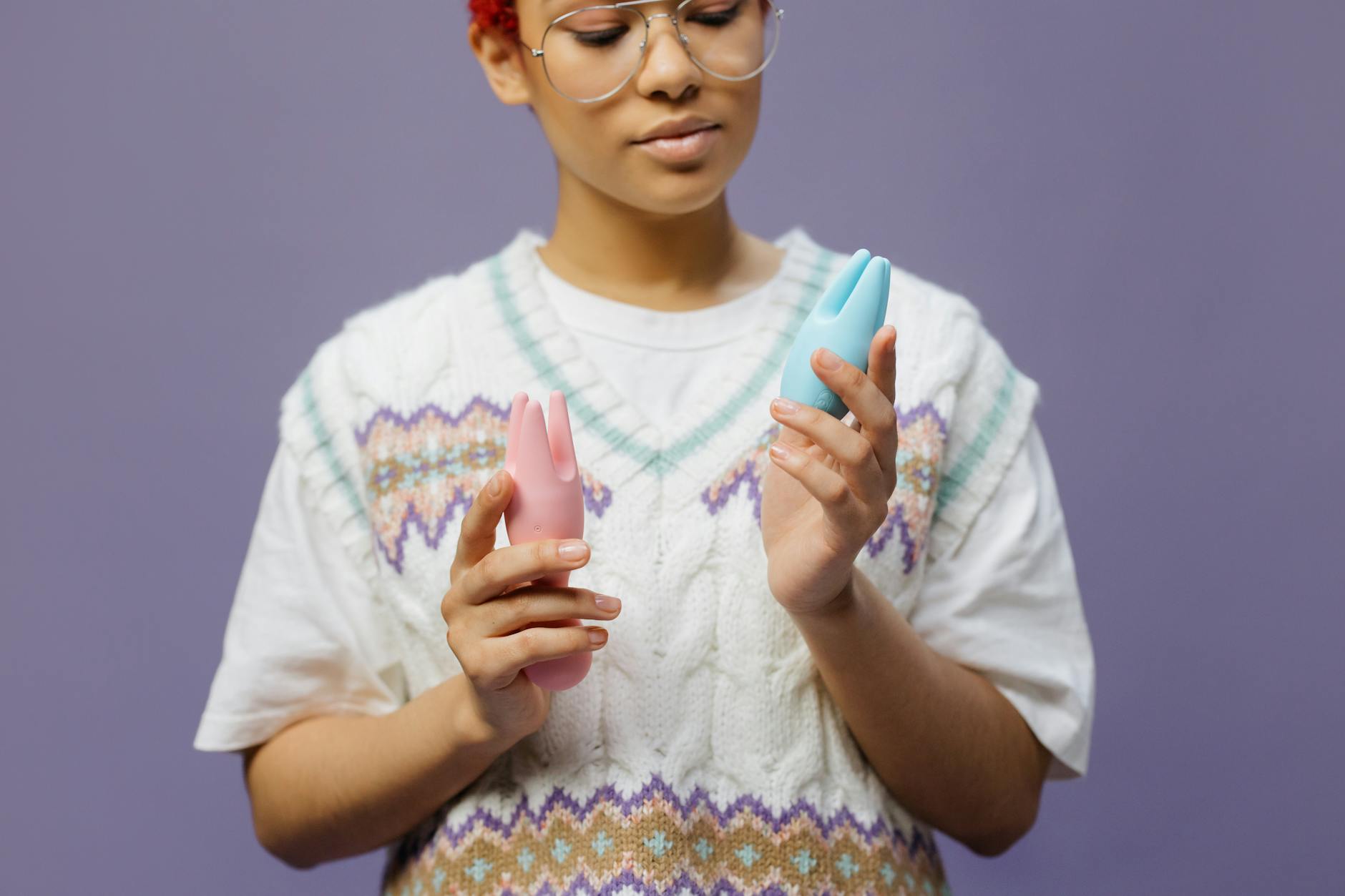
Let's talk about what nobody tells you about postpartum pleasure
Your body grew and birthed a human. Everything about you is different now. Your pleasure response? Same story. Nobody warns you that clitoral sensitivity can shift dramatically after birth, that arousal might feel muted, or that your favorite toys might suddenly feel wrong. This matters because most postpartum guides obsess over emotional recovery and skip over physical pleasure entirely, as if your body is only supposed to feed and nurture and never again be a source of joy for yourself.
Here's what actually happens, and why lemon clitoral vibrators work so well for rebuilding sensation during this phase.
What childbirth does to clitoral sensitivity
During pregnancy, your blood flow to the pelvic region increases dramatically. Hormones shift. The tissues swell. Then birth happens, and the tissues get stressed in ways that aren't fully understood yet, but we know from clinical observation that sensitivity often becomes muted. Sometimes it feels numbed out. Sometimes it becomes hypersensitive and even mildly painful to touch.
Add in the fact that your estrogen plummets postpartum (especially if you're breastfeeding, which tanks it even further). Lower estrogen means thinner tissue. Thinner tissue means less immediate response to direct friction. It's not that pleasure is gone. It's that the signal has to travel through a different kind of wiring for a while.
Pelvic floor tension often increases postpartum too, which you wouldn't necessarily predict. Your pelvic floor has been stretched and stressed. Even after healing, it tends to grip more tightly as a protective response. When your pelvic floor is tense, clitoral sensation gets muffled. It's like trying to hear someone through a closed door.
Why lemon vibrators feel different (and better) right now
Lemon vibrators use suction technology instead of direct vibration. That distinction is crucial postpartum.
A traditional vibrator creates pleasure through rapid friction against tissue. Postpartum, especially in the first few months, that can feel too intense, too direct, or even slightly painful depending on where your sensitivity is at. Your tissues are still healing. Friction-based stimulation asks a lot of recovering nerve endings.
Suction, by contrast, works differently. It creates a gentle pulling sensation that stimulates the whole clitoral complex, not just the surface. The lem vibrator uses a specific suction pattern that mimics oral stimulation without the rawness of direct vibration. This means your recovering tissue gets consistent, sustained sensation without the shock of rapid friction.
Many postpartum clients tell me that lemon clitoral vibrators feel like the first thing that's worked in months. Not because they're magic, but because they match where their bodies actually are.
The recovery timeline and what to expect
First six weeks. This is healing time. Medical advice says wait until bleeding stops and your provider gives clearance (usually 6 weeks, sometimes longer if you had tearing or a caesarean). This is real and worth following. Your body isn't ready.
Weeks 6 to 12. You get medical clearance. You're probably not sleeping enough. Your hormones are still wild if you're breastfeeding. This is when many people try to jump back into their pre-baby sex life and hit a wall. Your body isn't cooperating. That's normal. This is also when a lot of people reach for lemon vibrators for solo exploration and find that suction feels gentler than anything else.
Three to six months postpartum. Sensitivity is still variable. Some days are better than others. Hormones are still low. The pelvic floor is tighter than it used to be. But slowly, sensation starts to return. Many people find that their clitoral sensitivity actually becomes more refined during this phase. Not necessarily more intense, but more nuanced.
Six months and beyond. If you're still breastfeeding, hormone levels stay suppressed and sensitivity might stay muted. If you've stopped, estrogen creeps back up and tissues start to feel more like themselves. This is often when people notice their pleasure response shifting again.
Three things that matter more than which toy you choose
First: pelvic floor release. Your pelvic floor is probably tighter than it was before birth, even after it "healed." Kegels actually make this worse. You need the opposite. Pelvic floor physical therapy, or at minimum, learning to actively relax that area during arousal, changes everything. When your pelvic floor releases, clitoral sensation comes alive. This is often the missing piece that makes lemon vibrators suddenly feel amazing.
Second: hormone awareness. If you're breastfeeding, accept that your arousal might stay muted and that's not a reflection of your sexuality. Breastfeeding tanks estrogen and sometimes testosterone. Both matter for pleasure. Some people find that a session with a vibrator before breastfeeding (when hormones are slightly higher in the daily cycle) works better than after. Others find they need to wait until they're weaning or done nursing.
Third: patience with what feels good. Postpartum is weird because your body is literally still changing. What works this week might not work next week. That's fine. Your pleasure preferences aren't broken. They're just adaptive. Give yourself permission to explore slowly and without expectation.
Using lemon vibrators safely during recovery
Start low. If you're using a lemon clitoral vibrator, begin on the lowest suction setting. Your tissue is sensitive and your pelvic floor is probably still protecting itself. Low suction feels gentle and lets you focus on what sensation actually feels good versus what feels like obligation.
Use lubricant. Postpartum tissue is often drier than pre-pregnancy tissue, especially if you're breastfeeding. A good water-based lubricant makes suction glide better and reduces friction that might feel raw.
Stop if anything hurts. Pressure, yes. Slight intense sensation, maybe. But pain is a sign to pause. Sharp pain, stinging, or burning means something isn't ready yet.
Don't use it as pressure to perform. Some postpartum people feel like they should be having desire again and use a toy as a way to force it. That backfires. Pleasure works better when it's exploration, not obligation.
What if sensation still feels numb or wrong months later
Here's when to escalate: if you're six months or more postpartum, you've released your pelvic floor, you're sleeping reasonably well, and clitoral sensation still feels completely absent or painful, talk to a postpartum-trained pelvic floor physical therapist or gynaecologist. Sometimes there's nerve trauma from birth that needs specific attention. Sometimes there's remaining inflammation. Sometimes it's worth checking your thyroid or vitamin D, which both tank postpartum and affect sensation.
Genitourinary syndrome can also appear postpartum, especially if you're breastfeeding. Low estrogen thins the vaginal tissue and can make the whole area feel raw. This is treatable, often with topical estrogen that has minimal systemic absorption.
The point: sensation usually comes back on its own. But if it doesn't, that's not a personal failure. That's a signal to get support.
The emotional part (which is huge)
Postpartum pleasure is weird because pleasure feels selfish when you're in the thick of early parenting. Your body just made a human and now feeds it round the clock. The idea of using that same body for your own sensation can feel like one more demand on yourself. That's where I see a lot of people get stuck.
Your pleasure matters. Not as a luxury, not as something to do when everything else is handled. As part of rebuilding your sense of self after a massive physical and psychological transition. Solo exploration with lemon vibrators, with no performance pressure and no timeline, is often one of the first ways postpartum people reconnect with their own bodies as sources of good feeling rather than just sources of function.
This matters for your relationship too. You can't be present and connected with a partner if you've completely lost touch with your own pleasure. Rebuilding sensation solo, at your own pace, with something like a lemon clitoral vibrator that feels gentle and matched to your postpartum body, is often the bridge back to partnership pleasure.
People also ask
When is it actually safe to use vibrators after childbirth?
Most healthcare providers recommend waiting until bleeding stops and you get medical clearance, usually around six weeks. Some people need longer, especially if there was tearing, episiotomy, or caesarean delivery. When your provider gives clearance, it's safe to start exploring. But start slow with low intensity and pay attention to how your tissue feels. If anything feels painful or wrong, pause and check with your provider.
Do lemon vibrators feel better than regular vibrators postpartum?
For many postpartum people, yes. Suction technology is gentler on sensitive, healing tissue than direct vibration. It stimulates without friction, which matters when your tissues are thinner and more reactive. But everyone's different. Some people find suction feels weird postpartum. The key is experimenting with different intensities and types of stimulation to see what actually feels good, not what you think should feel good.
Can using a vibrator delay healing or cause damage?
No, not if you're using it gently after you have clearance from your provider. Your tissue isn't fragile at that point. It's healing, yes, but using a vibrator with appropriate intensity and lubrication doesn't set back recovery. What matters is listening to your body and stopping if something hurts.
Why does my clitoral sensitivity feel completely absent months after birth?
Low postpartum hormones (especially if breastfeeding), tight pelvic floor tension, sleep deprivation, and ongoing physical recovery all suppress sensation. Also, psychological factors matter. If you're anxious, touched out, or in a contentious relationship, your nervous system can genuinely mute pleasure response. If it's been months and nothing helps, a postpartum-trained pelvic floor physical therapist can assess whether there's tissue trauma or nerve involvement that needs specific treatment.
Is it normal for clitoral stimulation to feel painful postpartum?
Mildly uncomfortable or overstimulating sensation is common early on. But sharp pain or stinging isn't normal and usually means something still needs healing. Check with your provider. Sometimes it's just irritation that improves with time and pelvic floor release. Sometimes it's genitourinary syndrome from low estrogen, which is very treatable.
How long until pleasure feels "normal" again?
It depends. If you're formula feeding, many people notice sensation creeping back by three months. If you're breastfeeding, it often takes longer because hormones stay suppressed. Sometimes pleasure shifts permanently. That's not bad. It's just different. Many postpartum people eventually find that their pleasure response becomes more refined and intentional than before, even if it takes half a year to get there.
You're not broken, just rebuilding
Postpartum pleasure is a slow rebuild, not a restart button. Your clitoral sensitivity will likely return, though it might feel different. Lemon vibrators, with their gentle suction technology, match where your postpartum body actually is far better than traditional vibrators. But the real recovery happens through pelvic floor release, hormone patience, sleep when you can get it, and giving yourself permission to explore pleasure without guilt.
If you want support navigating this transition, whether it's about rebuilding physical sensation or the emotional side of reconnecting with pleasure after birth, reach out. That's what I'm here for.
Connect with us if you have questions about rebuilding pleasure during postpartum recovery.