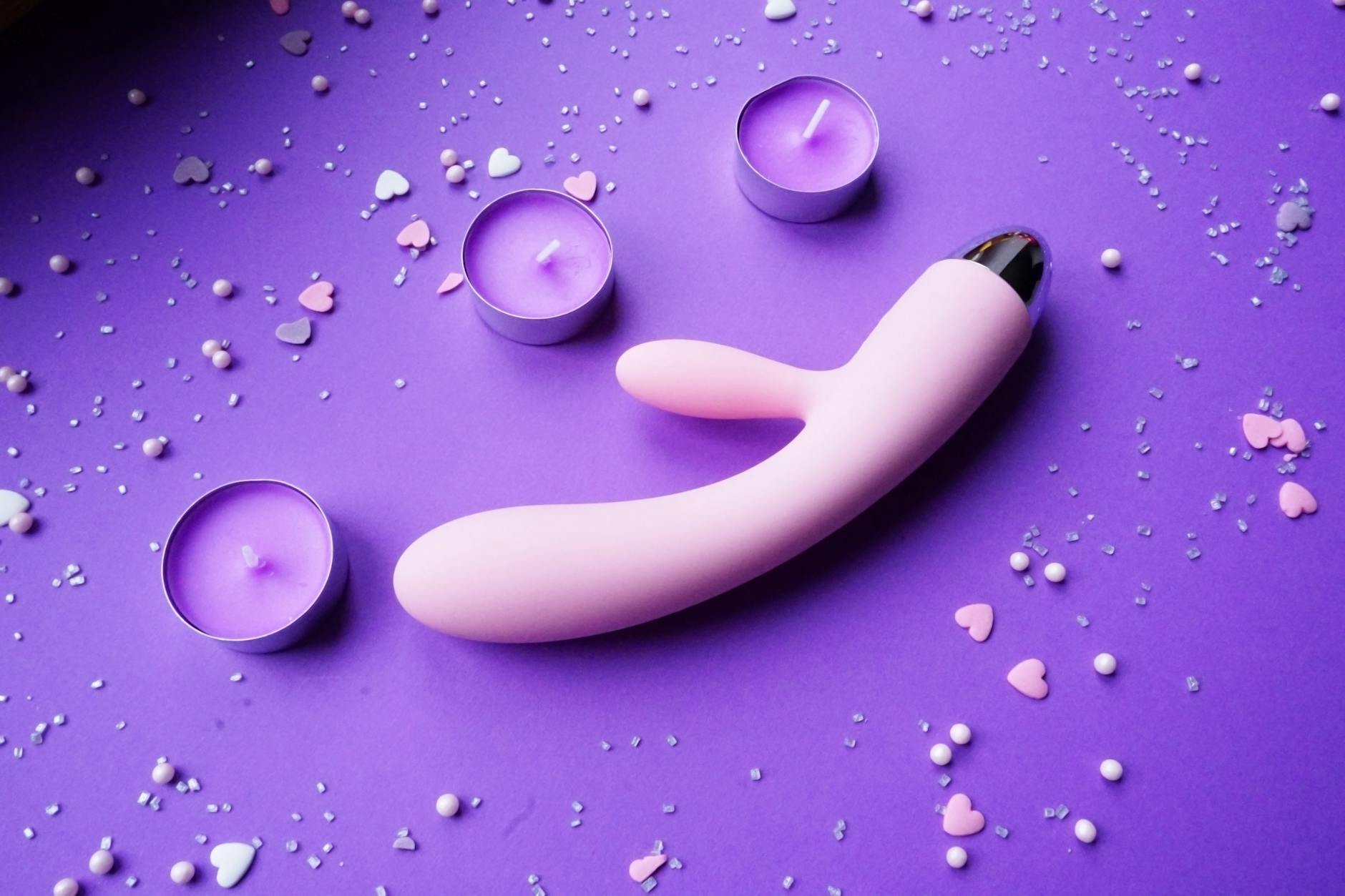
How to Use Lemon Vibrators Correctly When You Have Sensitive Skin
Let's be real: sensitive skin around your vulva changes how you approach pleasure. It doesn't stop it, but it does require a different setup than what works for someone without skin sensitivities. If you have eczema, dermatitis, or just generally reactive skin in your intimate areas, using lemon vibrators or any clitoral vibrator is absolutely possible. You just need to know what to actually do.
The good news is that lemon clitoral vibrators are built with materials that tend to be gentler than older toy designs. But material alone isn't enough. This is about prep, technique, timing, and knowing when your skin is telling you to stop.
Why sensitive skin reacts differently to vibrators
Your vulva has way more nerve endings than most of your body, which makes it exquisitely responsive and also exquisitely reactive. The skin is thinner than skin elsewhere, has a different pH, and is covered in a protective bacterial layer that's easy to disrupt.
When you introduce a vibrator, you're adding friction, heat, and sometimes chemicals from the toy material itself. For most people this is fine. For people with sensitive skin, your barrier can get irritated quickly. That irritation feels like stinging, rawness, itching, or sometimes a delayed reaction 12 to 24 hours after use.
The key difference between "normal sensitivity" and a problem: normal sensitivity improves or resolves within a few hours to a day. Actual irritation persists, worsens, or spreads. That's when you need to change your approach.
Material matters more than you think
Hello Nancy's lemon vibrators are made from medical-grade silicone. This is the gold standard for sensitive skin because silicone is non-porous, doesn't leach chemicals, and has a smooth surface that won't trap bacteria or irritants. But not all silicone toys are created equal. Some manufacturers use cheaper silicone that still meets "silicone" labeling but contains additives that can irritate.
When you're shopping for any clitoral vibrator with sensitive skin, look for toys that explicitly state medical-grade or platinum-cure silicone. Avoid anything labeled as "jelly," "rubber," or just "plastic." Those materials are porous and absorb irritants.
If you already own a vibrator and aren't sure about the material, here's a quick test: does it feel sticky or tacky? Does it have a smell? Does it collect lint? If yes to any of those, it's probably not medical-grade silicone and might be contributing to your irritation.
The prep work before you even turn it on
Honestly, the prep is almost more important than the toy itself. You're creating a clean, protected environment for your skin.
Wash first, but not with harsh soap. Your vulva has its own pH. Anything too acidic or alkaline disrupts the barrier. Use warm water only, or if you want a cleanser, use a gentle vulva-specific wash or unscented castile soap. Rinse completely. You're not trying to sanitize; you're just removing sweat, discharge, and urine.
Pat dry gently. Don't rub. Moisture is fine, but excess water can macerate the skin and make it more reactive. Use a clean, lint-free cloth or a kleenex.
Apply a buffer lubricant. This is non-negotiable for sensitive skin. A good water-based lubricant creates a barrier between the toy and your skin and also reduces friction. Choose a lube without glycerin if you're prone to yeast infections, and without parabens if you have contact dermatitis. Hyaluronic acid-based lubes are excellent for sensitive skin because they're hydrating and non-irritating.
Don't skip this step thinking you'll "feel it more" without lube. You'll feel irritation more, which is the opposite of what you want.
Starting slow is not boring; it's protective
With sensitive skin, your approach to intensity is different. Here's how I recommend starting.
Begin at the lowest vibration setting. I mean the absolute lowest. If your lemon vibrator has a pattern or pulsing mode, start with gentle pulsing rather than sustained vibration. Sustained vibration creates more heat and more cumulative friction. Pulsing lets your skin recover microscopically between pulses.
Use the toy for no more than 10 to 15 minutes on your first session. This isn't about rushing. This is about giving your skin a chance to tell you if it's happy or not. Once you know your tolerance, you can gradually extend duration.
Pay attention to sensation. Pressure or intensity that feels pleasurable should feel smooth and clear. If you're noticing stinging, sharpness, or burning, stop. That's your skin saying the vibration is too intense or the friction is too much, even with lube.
Between sessions: the recovery protocol
After you use a vibrator, your vulvar skin needs a recovery window. This is especially true if you have sensitive skin.
Rinse with water. Gently rinse away any lube residue. This prevents buildup that can irritate over time.
Don't immediately put on tight underwear. Let the area air dry for at least 15 to 20 minutes if you can. Moisture trapped against sensitive skin is a setup for irritation or infection.
Skip other irritants for the next 24 hours. This means no bubble baths, no strongly scented products, no other vibrators, and ideally no penetration if the outer area is sensitive. Give it breathing room.
If you notice any redness, itching, or discomfort in the hours after use, apply a gentle, fragrance-free moisturizer like Aquaphor or CeraVe to the area. This is different from lube. You're protecting and moisturizing the skin barrier, not preparing for sex.
Frequency and the overuse trap
With sensitive skin, more frequent use doesn't equal more pleasure. It equals more opportunity for irritation.
I recommend starting with using your lemon clitoral vibrator no more than once or twice a week. Give your skin time to fully recover between sessions. As you get to know your body's tolerance, you might be able to increase frequency. Some people with sensitive skin find they can use a vibrator several times a week without issue. Others peak at once a week. There's no wrong answer. You're finding your personal threshold.
If you notice cumulative irritation, which often shows up as general rawness or itching that doesn't resolve between sessions, it's a sign you need more recovery time.
When to pause and when to see someone
Certain signs mean you should stop using the vibrator and potentially see a dermatologist.
Stop and wait at least a week if you notice: itching that persists for more than a day, visible redness or rash, burning or stinging that doesn't fade within a few hours, discharge that looks unusual, or pain with urination after use.
These aren't necessarily emergencies, but they're your skin saying the current setup isn't working. Sometimes it's the toy. Sometimes it's your lube. Sometimes it's timing relative to your cycle or stress. But running an experiment while your skin is already irritated just makes it worse.
See a dermatologist or gynecologist if: irritation persists after a week of not using the vibrator, you develop an infection, the redness spreads, or you have any pain with intercourse or urination beyond the immediate post-session period.
The lubricant choice really is that important
I'm looping back to lube because it's genuinely one of the highest-leverage changes you can make.
Water-based lubes are safest for sensitive skin because they rinse cleanly and don't trap bacteria. Silicone lubes feel incredible but can leave a residue that accumulates. Oil-based lubes are a no for vibrators because they damage silicone. Hybrid lubes sit somewhere in the middle.
For sensitive skin, your checklist is: water-based, paraben-free, glycerin-free (unless you have no yeast infection history), and fragrance-free. Brands like Yes and Hylo make excellent options that are designed for sensitive skin specifically.
Test the lube on a small area first if you're trying something new. Patch test on your inner arm or vulva with a tiny amount, wait 15 minutes, and see if you get redness or itching. It's a two-minute check that can save you a lot of grief.
One more thing: communicate with partners
If you're using a lemon vibrator with a partner, they need to understand that your sensitive skin isn't a limitation to work around. It's information to make the experience better.
Tell them what you've learned. "I can use the vibrator, but I need these three things to happen first: lube, a gentle setting, and 15 minutes max on the first try." That's concrete and actionable. Your partner can help you stick to your protocol instead of getting caught up in the moment and skipping steps.
Partners who care about your pleasure want this information. It's not a mood killer. It's enabling something that actually works.
People also ask
Can I use a regular lemon vibrator if I have eczema on my vulva?
Yes, but you need to be more cautious than someone without eczema. The skin is already compromised, so irritation happens faster. Start with the lowest setting, use a generous amount of sensitive-skin lube, and limit sessions to 10 minutes at first. If your eczema is actively flaring, skip vibrator use entirely until it calms down. Vibration and friction will make active eczema worse.
Does the vibration frequency matter for sensitive skin?
Absolutely. Lower frequencies (around 50 to 100 Hz) are generally gentler than high-frequency vibrators that buzz rapidly. The lemon clitoral vibrator's patterns range in frequency, and starting with lower-frequency pulsing is kinder to sensitive skin than jumping to rapid, sustained vibration. You're looking for pleasure, not punishment.
What's the difference between vibrator irritation and an allergic reaction?
Vibrator irritation is usually localized, shows up during or shortly after use, and improves with rest and moisture. Allergic reactions tend to be more widespread, itch intensely, and sometimes include hives or swelling. If you suspect an allergy, stop using the toy and see a dermatologist. It's often a reaction to the lube or a residue on the toy, not the silicone itself.
How often should I replace my lemon vibrator if I have sensitive skin?
If you're cleaning it properly and it's medical-grade silicone, it should last years. What matters more is replacing your lube regularly. Opened lube bottles can grow bacteria over time, especially if you're adding water during cleaning. Replace your lube every six months or if it starts to smell off.
Can I use a lemon vibrator during my period if I have sensitive skin?
Your skin is more sensitive during menstruation due to hormonal shifts and increased blood flow. If you want to use a vibrator during your period, use even more lube than usual, keep sessions shorter, and stick to lower intensities. Some people find their sensitive skin is too reactive during their period. That's totally fine. Skip it and come back after your period ends.
What lubricant should I avoid if I have sensitive vulvar skin?
Avoid anything with glycerin if you're prone to yeast infections. Skip lubes with parabens if you have contact dermatitis. Steer clear of flavored or warming lubes, which add unnecessary chemicals. Don't use anything scented or colored. The simpler the ingredient list, the safer it is for sensitive skin. When in doubt, hyaluronic acid-based or pure water-based lubes without additives are your safest bet.
Using a lemon vibrator with sensitive skin isn't about accepting less pleasure. It's about being strategic so the pleasure actually happens without the aftermath of irritation. Your skin isn't the problem. The wrong setup is the problem. Fix the setup, and you've fixed everything.
If you're still troubleshooting or you've tried all of this and your skin is still reacting, reach out to us. We talk to people about this stuff constantly, and sometimes a quick conversation helps you figure out what's actually going on.