The real thing nobody talks about
Here's what I hear in sessions all the time: "I want to use my vibrator during sex, but I don't know how to bring it up without my partner thinking I'm not satisfied." Or the flip side: "My partner wants to introduce one, and I'm not sure how to react without feeling insecure." Both versions of this conversation are rooted in the same anxiety. Using a lemon clitoral vibrator during partnered sex doesn't mean anybody failed. It means somebody's being smart about their own pleasure.
Let's walk through how to actually do this without the weirdness.
Why this conversation matters more than you think
When you bring a toy into partnered sex without talking about it first, you're gambling. Best case: your partner thinks it's hot and you have a great time. Worst case: they feel rejected or think you're criticizing their performance. Most likely: there's awkward silence and nobody enjoys themselves. The conversation itself is the foreplay. I'm not being cute. Couples who can talk openly about what they want sexually report higher satisfaction, more frequent sex, and less resentment. A clitoral vibrator is just the vehicle for that conversation.
Introducing lemon vibrators during sex also serves a practical purpose. Clitoral stimulation doesn't always happen naturally during penetration. You're not broken if you need it. You're not unsatisfiable. You're using your body's actual wiring.

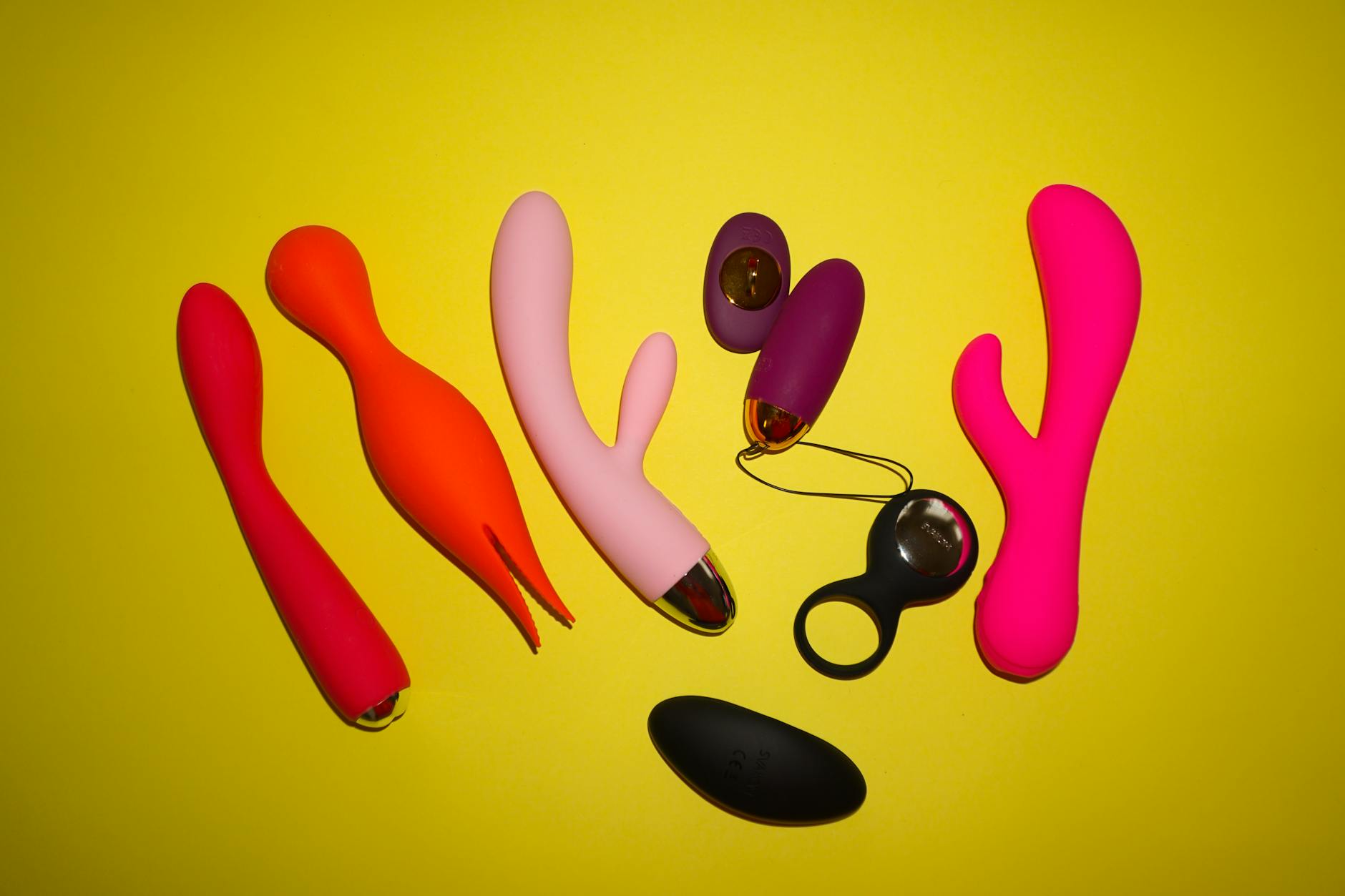
Photo by cottonbro studio on Pexels
The conversation: when and how to start it
Don't spring this on your partner mid-sex. That's the cardinal rule. Pick a time when you're both calm and clothed. Not during an argument, not right after. Maybe over coffee or in the car. Somewhere neutral.
Here's language that actually works:
"I've been thinking about trying something during sex. I want to add a clitoral vibrator because it would help me orgasm more easily. It's not about you or anything you're doing wrong. It's just about what my body needs to feel the most pleasure. Would you be open to trying it?"
Notice what that does: it's clear, it names the thing, it explains the "why" without blame, and it asks permission. If your partner hesitates, that's information. Ask what they're worried about. Often it's something simple: they think the vibrator replaces them, or they're worried about noise, or they've never seen one before and it feels foreign. Each of those is solvable.
If you're the partner being asked, and you feel a pinch of "uh oh," sit with that for a second before you respond. Your partner is telling you they trust you enough to ask for what they want. That's the opposite of rejection. If you're genuinely uncomfortable, say so, and figure out why together. Maybe start by just looking at it together, no pressure to use it right away.
The logistics: timing and positioning
There are basically three windows for introducing a lemon vibrator into partnered sex.
Before penetration. Use it during foreplay until you're close to climax or already there. This takes pressure off your partner to provide the stimulation. It also means you're warmed up and more likely to have a good experience during penetration itself. This is the lowest-stakes entry point.
During penetration, partner on top. Once you're inside each other, if your partner is on top, you have good access to your clitoris. You can use the vibrator yourself, or your partner can hold it for you while they move. This requires some communication about rhythm. Go slow with it. A lemon clitoral vibrator like the Lem doesn't require heavy pressure. The suction technology does the work.
During penetration, you on top. If you're on top, you have the most control. You can angle yourself, set the pace, and hold the vibrator exactly where you want it. Your partner gets to watch and feel you. This positioning tends to feel less "clinical" and more integrated into the sex itself.
There's also during non-penetrative sex, obviously. A lot of people report that using a lemon sucker during oral sex or mutual stimulation feels incredible. The vibrations pair well with a partner's touch in ways that traditional vibrators sometimes don't.
The actual mechanics: what to expect
When you first use a lemon vibrator with a partner, the sensation might feel different than when you're alone. You're more self-conscious. Your partner's presence changes your focus. This is normal. It usually settles in after a few tries.
Start on a lower intensity setting. There's no prize for jumping straight to maximum. The suction technology in lemon clitoral vibrators creates intense sensation at lower patterns than traditional vibrators, so pattern 1 or 2 is usually enough to start. You can always turn it up.
If the vibrator makes noise, acknowledge it and move on. Yes, they can be a bit loud. Some partners find it hot. Others take a minute to adjust. If you're self-conscious, white noise in the background helps, or just remind yourself that the sound means something good is happening for you.
The emotional piece: insecurity on both sides
Let's name this directly. If you're introducing the vibrator, you might feel like you're asking too much or being "too much." You're not. Your pleasure is a feature of partnered sex, not a bug. Your partner should want you to feel good. Full stop.
If you're the partner, you might feel replaced or like you're not enough. You're not. A vibrator doesn't replicate a partner's touch, presence, or attention. It does one specific job: it stimulates the clitoris in a way that works for that person's body. It's addition, not replacement. Think of it like a couple cooking together. If one person uses a food processor instead of hand-chopping everything, the other person didn't fail as a cook. They just got a helpful tool.
After the first time, check in. Not in a "was that okay?" way that puts pressure on either person. More like, "That felt good. I liked when you did X. Want to try again?" These micro-conversations build over time and make everything easier.
Troubleshooting the common snags
"It killed the mood." Usually this means you didn't warm up enough beforehand, or you tried it too early. Your body wasn't ready. Go back to the before-penetration window. Use it for longer. Build anticipation.
"It doesn't feel as good with a partner there." Your nervous system is different when someone else is present. It's not broken. Sometimes moving to a position where you can focus without making eye contact helps. Sometimes you just need more time to adjust.
"My partner won't use it inside me." Some partners are uncomfortable holding it. No judgment. You can hold it yourself. You can also ask what specifically worries them. Often it's just unfamiliar. Showing them how it works, letting them feel the sensation on their hand, can help.
"We both want it but feel awkward." Awkwardness is actually fine. You can laugh about it. First times are supposed to feel a little strange. That weirdness usually dissolves after one good experience.
Making it feel natural (which it is)
Here's the thing: using a lemon clitoral vibrator during sex isn't kinky or weird or demanding. It's just smart sex. People with vulvas need clitoral stimulation. Most people with vulvas don't orgasm from penetration alone. This is biology, not preference. You're not being high-maintenance. You're being realistic about how your body works.
The more you normalize it in your own mind, the easier it becomes. A vibrator is a tool. Like a pillow under your hips to change the angle, or lube to make things more comfortable. It belongs in partnered sex as much as it does in solo pleasure.
After a few times, it stops being "using a vibrator during sex" and just becomes "sex." The novelty wears off. It becomes part of your routine. And honestly, that's when it's most useful. When you're not nervous about the conversation or the introduction, you can actually focus on pleasure, which is the whole point.
Questions people actually ask
Can we use a lemon vibrator if my partner has a penis?
Absolutely. The vibrator doesn't interfere with penetration. Your partner might enjoy feeling the vibrations against them, or watching you experience pleasure. If you're worried about the vibrator getting in the way, use it before penetration starts or in positions where you have control over the angle.
What if my partner is jealous of the vibrator?
That jealousy usually points to something underneath. Ask what they're actually worried about. Are they worried you won't need them? That you'll prefer the vibrator to them? That you think they're not good enough? Those are things you can actually address through conversation. You might reassure them: "I love having sex with you. This helps me feel good in a different way. I want both." Often that's enough.
Will using a vibrator make me less sensitive during regular sex?
No. Your clitoris doesn't "wear out" or become desensitized in any lasting way. Some people notice that after very intense vibration, they need a few minutes to recalibrate. That's fine. It doesn't mean damage.
How do I know which lemon vibrator to use with a partner?
The Lem is purpose-built for partnered use because the suction technology is quieter than traditional vibration and feels different against a partner's body too. It's also small enough that it doesn't get in the way. If you're new to toys with partners, that's a solid starting point.
What if my partner wants to use it on me but I feel weird about that?
Start by using it on yourself while they watch. Let them see how it works and how you respond. Then maybe guide their hand. A lot of people feel less weird once they understand the mechanics and see it's not this mysterious thing.
Is it better to use a vibrator with a partner or alone?
Neither is better. They're different. Solo use is about pure sensation and exploration. Partnered use adds connection and shared vulnerability. Some people prefer one, some love both. There's no hierarchy.
The bigger picture
Using a lemon vibrator during sex with a partner is really just another conversation in the long list of conversations you'll have about pleasure, boundaries, and what works for both of you. It matters not because toys are special, but because being willing to have the conversation matters. That willingness to be honest, to ask for what you want, to listen to what your partner needs. That's the stuff that makes sex better over time.
If you're ready to have this conversation or you're looking for more clarity on solo pleasure first, we're here. You deserve a sex life that feels good. That might mean a vibrator, a conversation, or both.
Ready to explore? Start with the guide that's right for you.