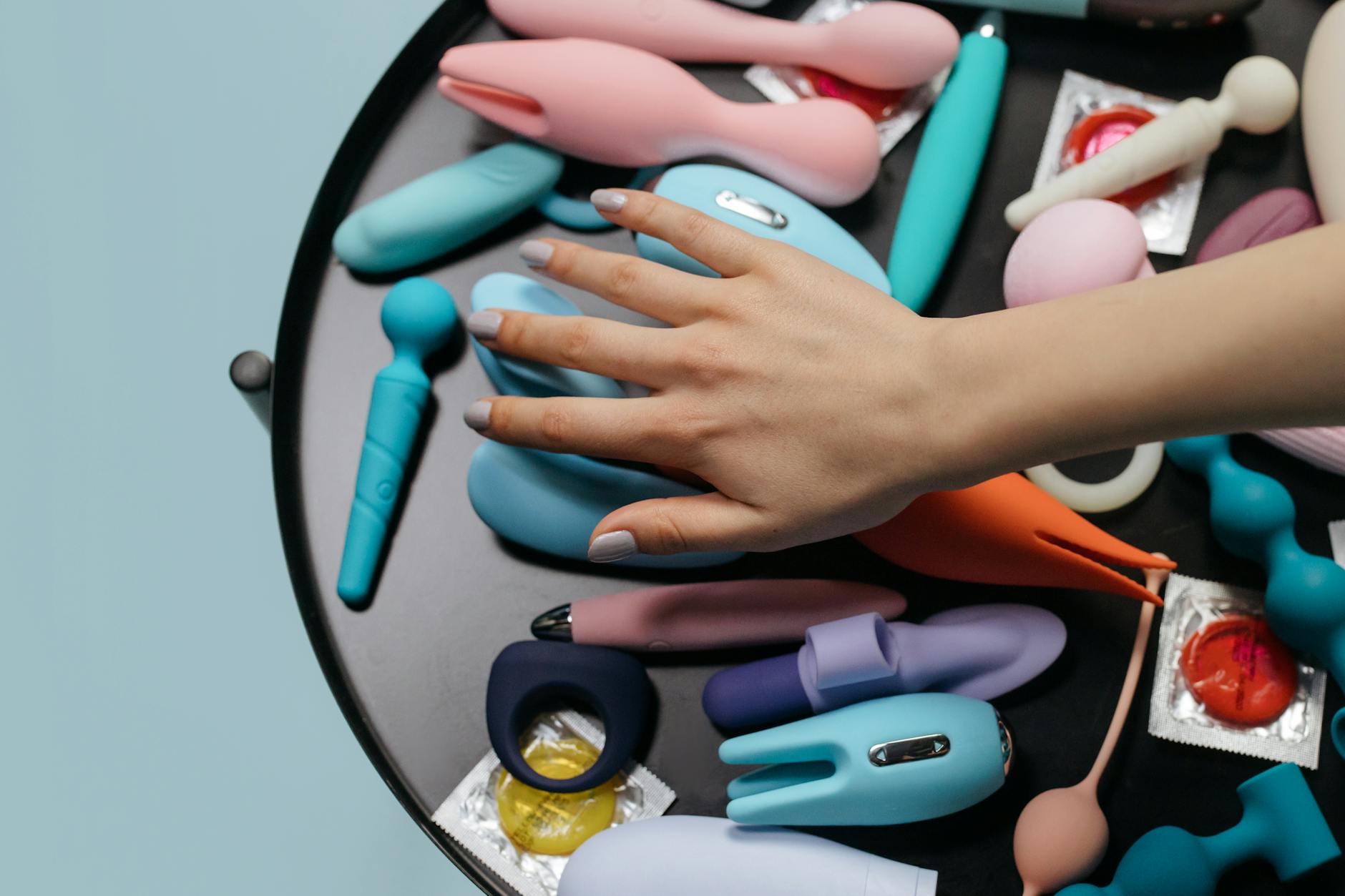
Let's start with the real thing
If you're in your 60s and thinking about trying a lemon vibrator for the first time, you're probably also dealing with a small knot of nervousness. Maybe shame. Maybe curiosity that feels a little embarrassing to admit. That's completely normal, and honestly, it's worth taking seriously.
Here's what I want you to know: pleasure at 60 is not a consolation prize. It's actually better in most ways than it was at 30. You know yourself. You don't care what other people think. Your body still works, even if it works differently. And a lemon clitoral vibrator designed well can make this transition feel less like trying something new and more like finally using the right tool for the job.
Why nervousness shows up (and why it's not about the vibrator)
I've worked with hundreds of women in this exact position. The nervousness rarely comes from the device itself. It comes from three deeper places.
First, there's the silence. Most women in their 60s grew up in a world where pleasure wasn't discussed, especially not for women, and definitely not for older women. That cultural weight doesn't disappear just because you're ready to explore. It sits there. You notice it.
Second, there's the muscle memory of being "too old for this." Our bodies change. Lubrication shifts. Sensation can feel different. Some women interpret this as "I'm broken" instead of "my body needs a different approach." Lemon vibrators, especially ones that use suction stimulation, were literally designed to work with mature tissue. This isn't Plan B. It's the right equipment.
Third, if you're doing this solo, there can be a weird guilt. Like you're cheating on a partner, or betraying some old rule about what you "should" be doing. You're not. Your pleasure belongs to you.
What your body actually experiences
When you use a lemon vibrator for the first time in your 60s, a few things happen physically.
The suction and pulsing patterns stimulate nerve endings in the clitoral complex without requiring the kind of pressure that can feel too intense on thinner tissue. Arousal takes a bit longer to build than it might have at 40, but once it starts, it often builds deeply. Your pelvic floor muscles will respond. Blood flow increases. Orgasms, when they happen, often feel more subtle and integrated into your whole body rather than explosive and localized. That's not less. It's different, and many women report that it's actually more satisfying.
Two things worth knowing: you might not have an orgasm the first time, or even the first five times. This is completely normal. Your nervous system is learning something new. Your brain is processing "this is okay" when it's been taught the opposite for decades. Give it grace.
Second, you might feel emotional. Tears, laughter, relief. This happens more often than you'd think, because pleasure can unlock feelings you've been sitting on. That's not a problem. That's healing.
How to actually start
Here's a step-by-step approach that works.
Set the stage for yourself. This doesn't have to be candles and rose petals if that feels fake. It means: alone, comfortable, not rushed, with a locked door. Give yourself 45 minutes. You don't need all of it, but having the time removes pressure.
Get familiar with the device first. Hold a lemon vibrator. Look at it. Read the buttons. Turn it on at the lowest setting with your hand, not on your body. Get used to the sound and feel of it working. This seems basic, but it takes a lot of the mystery out.
Use lubrication. Even if you don't think you need it, use it anyway. Water-based lube works best with silicone toys. It's not a sign that something's wrong. It's a practical addition that makes everything feel better and allows for longer sessions without friction.
Start with external stimulation only. Place the lemon vibrator against your outer labia, not directly on the clitoris at first. Most lemon clitoral vibrators are designed to be used this way, with the sensation diffusing through tissue. Start on setting 1 or 2. Let yourself feel what's happening.
Don't rush to an orgasm. This is the biggest mistake. Spend 10-15 minutes just exploring sensation. What patterns feel good? Which speeds? Does the pressure feel right? This is information gathering, not goal-oriented sex.
If it feels good, keep going. If it doesn't, that's completely fine. Turn it off. Take a breath. Try again tomorrow, or try a different pattern. Your body isn't broken. It's just learning.
The emotional side (which matters as much as the physical side)
There's a conversation happening inside your head while you're doing this. You might be thinking "I'm too old for this." You might be thinking "What if someone finds out?" You might be thinking "This feels weird." All of that is normal, and all of it is worth noticing without judgment.
One thing that helps: remind yourself that your body deserves to feel good. Not for anyone else's benefit. For yours. That's not selfish. That's the opposite. It's honoring yourself.
If you have a partner, you don't have to tell them right away. This is for you. If you decide eventually to incorporate it into partnered sex, that's a separate decision. Many women find that using lemon vibrators with a partner when you're both nervous actually brings them closer together, but that's not the goal here. The goal is reconnecting with your own pleasure.
Managing expectations around sensation
Here's where a lot of women get stuck. After the first few tries, they expect that their sensation will "catch up" and things will start feeling more intense. Sometimes they do. Sometimes they don't. Both are okay.
If sensation feels muted after a few sessions, you might want to revisit how you're using the device. Are you using enough lubrication? Are you starting with a lower setting and building up? Are you giving yourself enough time? Many women find that after a few weeks of regular use, their body becomes more responsive. But this isn't a promise. This is what sometimes happens.
If sensation stays subtle, that doesn't mean it's not working. A subtle, full-body sensation that builds gradually is actually what many women in their 60s report as their most satisfying experience. Intensity isn't the goal. Pleasure is. They're not the same thing.
When to reach out for more support
If pain shows up, that's worth talking to a doctor about. Not all pain is normal, and some treatable conditions become more common as we age. But discomfort from inexperience or mild friction? That usually resolves with more lubrication and slower pacing.
If you find that you want more detailed guidance on technique or you're struggling with the emotional side of this, reach out to us. Sometimes talking through your specific situation with someone who gets it makes the whole experience feel less isolating.
You're not starting from zero. You're starting from 60+ years of life experience, self-knowledge, and a clear sense of what you want and don't want. That's actually the perfect place to begin exploring pleasure with intention.
People also ask
Is it normal to feel nervous using a lemon vibrator for the first time in your 60s?
Completely normal. You've spent most of your life in a culture that either ignored or shamed female pleasure, especially as women age. Nervousness isn't a sign that something's wrong. It's evidence that you're crossing a boundary you've been taught to respect. That takes courage.
How long does it take to feel sensation with a clitoral vibrator?
Some women feel strong sensation immediately. Others take 5-10 sessions before their body responds. Your nervous system is learning something new, and that takes time. If you're not feeling much after 10 sessions of regular practice, that's worth discussing with a healthcare provider, but most women find their responsiveness improves within 2-3 weeks.
Do I need lubrication if I'm naturally lubricated?
Yes. Additional lubrication helps, even if your body is responding naturally. It reduces friction, allows for longer sessions, and honestly, it just feels better. Water-based lube works best with silicone toys like lemon vibrators. It's a practical choice, not a sign that anything's wrong.
What if my partner finds out I'm using a vibrator?
That's your choice entirely. Some women prefer to keep this private. Others eventually bring their partner in. Neither choice is more "right." If you do decide to tell your partner, frame it as something you're doing for you. "I'm exploring my own pleasure" is a complete sentence. You don't owe anyone a detailed explanation.
Can lemon vibrators help if my sensation has decreased with age?
Often, yes. The suction and pulsing patterns in lemon clitoral vibrators are specifically designed to stimulate nerve tissue effectively, even when sensitivity has decreased. They can work well for women dealing with changes in sensation from aging, medications, or health conditions. If sensation issues are significant, it's worth checking with a healthcare provider, but many women find these devices genuinely helpful.
Is 60+ too old to start exploring pleasure?
Absolutely not. Many women report that their 60s brought freedom they'd never felt before. You know yourself. You don't care what people think. Your body still works, even if it works differently. This is actually the perfect time to explore what feels good to you without apology. You've earned that.
The bottom line
If you're in your 60s and curious about lemon vibrators, that curiosity matters. It's not a phase. It's not weird. It's not something you should feel ashamed about. It's you, recognizing that pleasure is part of being alive, and that you deserve to experience it.
The nervousness will probably ease once you start. Your body will teach you what it needs. And if you hit bumps along the way, that's normal too. Give yourself permission to explore slowly, with patience, and with the knowledge that you're doing something good for yourself.
Your pleasure at 60 is worth taking seriously. We think so. You should too.