Let's name what actually happened
Depression doesn't just make you sad. It makes you numb. Pleasure, desire, physical sensation, orgasm capacity.all of it gets turned down like someone lowered the volume in your entire nervous system. When you're in it, you assume that numbness is permanent. It usually isn't.
But here's what nobody tells you: when the depression starts to lift and sensation returns, it doesn't feel like coming home. It feels disorienting. Your body might respond differently than it used to. Sensitivity might be heightened or unpredictably muted. Touch that felt good three months ago might feel wrong today. This is normal, and it's not a sign that something's broken.
If you're thinking about reintroducing lemon vibrators or any sexual pleasure during recovery, here's what you actually need to know.
Why your body might feel different now
Depression alters your nervous system. When you're in it, your sympathetic nervous system (the fight-or-flight one) is often stuck in the on position. Pleasure lives in the parasympathetic system, the rest-and-digest one. You can't access pleasure when your body is literally on high alert.
Antidepressants also change sensation. Some SSRIs can numb physical response or delay orgasm. Others don't. The medication matters, the dose matters, your individual chemistry matters. If you're on meds, don't suddenly stop them because you want sensation back. Talk to your prescriber. Sometimes a small dose adjustment or switching to a different medication can restore pleasure without losing the depression relief.
Beyond neurobiology, there's psychology. Depression convinces you that pleasure is wrong, unnecessary, frivolous. When it lifts, that belief doesn't vanish overnight. You might feel guilt about wanting pleasure. You might feel like you don't deserve it. That's the depression talking, and you have to call it out.
Start with solo exploration, not performance
If you have a partner, this is important: do not attempt to have partnered sex just because you're "supposed to" or because your partner wants it. Solo exploration first. Partner sex involves anticipation, communication, timing, and someone else's expectations. Depression recovery is delicate. You need space to just listen to your own body without that weight.
Give yourself permission to be slow. Wildly slow. Slower than feels natural.
Set aside 20-30 minutes when you're alone, you're not rushed, and you're not dealing with kids or work stress in the immediate background. The goal is not orgasm. The goal is sensation and safety.
Start by touching your body with your hands. Your inner arms, your neck, your thighs. Notice where you can feel touch. Notice where touch doesn't register. This isn't weird or broken. Your nervous system is coming back online like a computer rebooting. Some parts wake up before others.
When you're ready to introduce a lemon vibrator
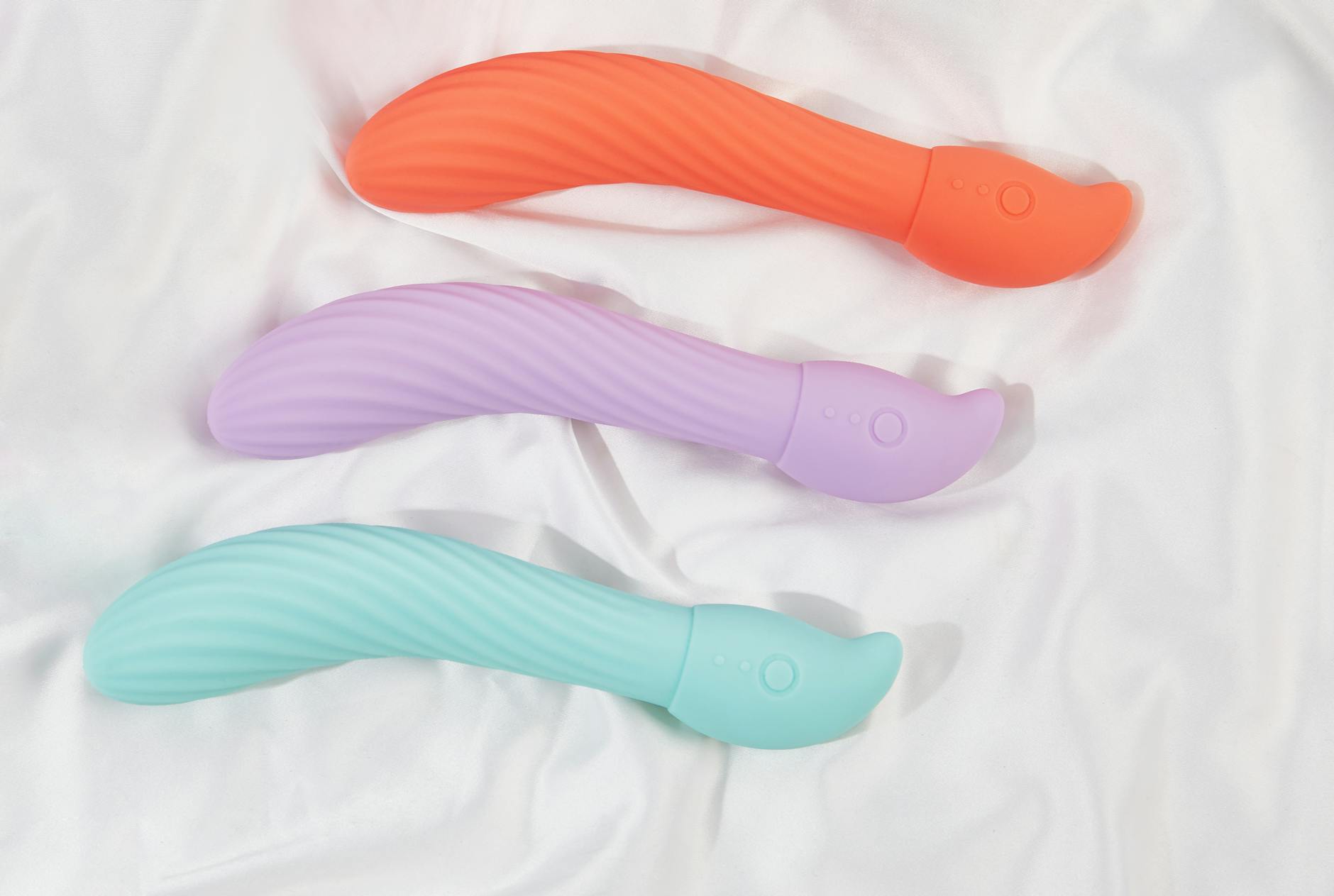
Lemon vibrators are gentler than traditional vibrators. The pattern-based stimulation from a device like the Lem works differently than straight buzz. Instead of relentless friction, you're getting waves of sensation. For someone whose nervous system is still recalibrating, this is easier to process.
Here's the practical progression:
First time: No insertion, no climax goal. Hold the lemon vibrator in your hand. Turn it on at the lowest setting, just for a few seconds. Let it sit against your inner arm or your shoulder. Get used to the vibration. It's not supposed to feel intense. It's supposed to feel like information. What do you notice? Numbness, tickling, intensity, nothing at all. All of those answers are fine.
Second time: Apply it over clothing. Put your vibrator against your thigh, over underwear, over pajamas. Low setting still. 10-20 seconds on, 30 seconds rest. You're teaching your body that this sensation is safe and predictable.
Third time: Direct skin contact, non-genital. Inner thigh, outside of labia, the area between your genitals and thighs. Still the lowest setting. Still short bursts. Your goal here is to notice sensation without pressure.
Fourth time and beyond: Genital contact if it feels right. Even here, go slow. Start at pattern 1 on the Lem. You're not looking for an orgasm. You're looking for a signal from your body. Do you want this? Does this feel good? If the answer is no, stop. If it's "I don't know yet," keep going gently for another 30 seconds.
The whole progression can take weeks. That's not slow. That's exactly the right speed.
What to do if sensation feels broken
You might try this and feel nothing. Numbness is still there. This is the most demoralizing moment because you'll wonder if depression has permanently changed you. It usually hasn't.
First: Give it time. Nervous system healing is slow. Two weeks of solo exploration is not enough data. Four weeks might be. Eight weeks might be necessary.
Second: Adjust context. Some people find that sensation returns faster with a warm bath first, or a few minutes of meditation, or a particular time of day. Your body might need that parasympathetic downshift before pleasure is accessible.
Third: Check your medication. If you're on an SSRI and you've been stable for a while, ask your prescriber about lowering the dose, switching medications, or taking a low-dose dopamine agonist to counter sexual side effects. These are real conversations doctors can have with you.
Fourth: Consider whether you're still depressed. Sometimes depression looks like numbness when you think it's lifted. A therapist can help you distinguish between the two. If you're still in depression, pushing yourself to have pleasure can feel more shameful, not less.
When you're ready to try with a partner
If you have someone you trust, the conversation looks like this: "I'm coming back into my body after depression. I want to explore pleasure again, but I need you to follow my lead completely. I might say no. I might change my mind mid-way. I might need you to just hold me instead. All of that is okay."
That conversation is harder than actually touching each other. But it's the one that matters.
When you're together, show them the lemon vibrator. Let them see it, hold it, understand it. Some partners assume lemon vibrators mean they're not enough. They're not. Lemon vibrators and partners serve different nervous system functions. Use the vibrator on yourself while they're present, or use it together, or use it alone and then be together after. There's no wrong version.
The key thing: They should not be focused on making you climax. Their job is to be present and responsive. "Does this feel good?" "Do you want to keep going?" "Should we pause?" Those are the questions that matter.
Red flags that mean slow down more
Pain is always a stop signal. Not discomfort. Pain. If something hurts, stop immediately. Chronic pain during depression recovery is common and treatable, but it's not something to push through with a vibrator.
Anxiety is another one. If you're using the lemon vibrator and suddenly your heart is pounding, you're dissociating, or you're in your head instead of your body, stop. You've hit a nervous system ceiling. That's information. Use it. Try again in a few days.
Shame is the third one. If you're using the vibrator and hearing your depression voice telling you that you're disgusting or wrong or broken, stop. That's not sensation. That's trauma talk. You might need to process this with a trauma-informed therapist before pleasure is fully accessible.
All three of these are treatable. None of them mean you can't access pleasure. They just mean you need support to get there.
The long view
When depression lifts, your capacity for pleasure usually returns. It might take months. It might look different than it did before depression. The orgasms might feel subtly shifted. Your desires might have changed. That's not loss. That's your nervous system and your mind integrating the experience of recovery.
Lemon vibrators, lemon clitoral vibrators, any sexual pleasure tool is a resource available to you as you rebuild. You don't owe anyone an orgasm. You don't owe depression the belief that you're numb forever. Your body is on its own timeline. Trust it.
People also ask
Is it normal to feel nothing when using a lemon vibrator after depression?
Completely normal. Depression genuinely mutes sensation. When you first try a lemon vibrator during recovery, you might feel nothing for weeks. This doesn't mean the vibrator is broken or that you're permanently numb. It means your nervous system is still rebooting. Continue using it at low settings in short bursts, and give yourself permission for this to take time. Most people report that sensation returns gradually over 4-12 weeks of consistent, pressure-free exploration.
Can antidepressants prevent me from having an orgasm with a lemon vibrator?
Yes, some can. SSRIs especially can delay orgasm or reduce sensation. This is a known side effect, not a personal failure. If you're on medication and struggling with pleasure, talk to your prescriber. A dose adjustment, medication switch, or adding a complementary medication might restore sensation without losing depression relief. Don't stop taking your medication to chase orgasm. That trade-off rarely works.
How long should I wait after depression lifts before trying sexual pleasure again?
There's no magic timeline. Some people feel ready within weeks. Others need months. The readiness isn't about time passed. It's about noticing genuine interest in your body again, not obligation or pressure. If you're forcing yourself because you think you should be better, you're probably not ready yet. If you're curious about what sensation feels like again, you probably are. Start small either way.
What if I'm still in depression and I want to feel pleasure?
First, be honest with yourself about whether you're truly in recovery or still actively depressed. If you're still depressed, using a lemon vibrator won't fix it and might intensify shame. Your priority is getting the depression treated. Once that's moving, pleasure becomes accessible again naturally. Pushing for pleasure while you're still in depression is like trying to run a marathon while you have the flu.
Should I tell my partner I'm using a lemon vibrator during recovery?
That depends on your relationship and your comfort. If you have a partner, transparency usually helps. You don't have to share every detail, but "I'm exploring my body again as I'm recovering, and I'm using a vibrator for that" is honest and clear. It prevents shame spirals and gives your partner context for why you might not be initiating partnered sex yet. If you're not ready to tell them, that might be information about the relationship itself.
Can using a lemon vibrator too much slow my recovery?
No. Pleasure itself doesn't slow recovery. In fact, gentle, self-directed pleasure can help your nervous system practice parasympathetic activation, which supports healing. The only risk is if you use the vibrator as a way to avoid dealing with depression itself, like replacing therapy with sensation. Use it as part of recovery, not instead of it.
You're not broken
Depression told you that numbness was permanent. It wasn't lying about how it felt in the moment. It was wrong about the future. Your capacity for pleasure, for desire, for sensation is still there. It's just offline temporarily. Lemon vibrators, patience, and self-compassion are the tools that help you find your way back. Start slow. There's no deadline.