Let's talk about what's actually happening
Slower arousal is one of those things nobody prepares you for. You might notice it suddenly, or it might creep up so gradually you don't realize how much has shifted. Either way, it's not a malfunction. It's information. Your nervous system is telling you something about what's changed in your body or your life.
The tricky part is that slow arousal gets confused with no arousal. They're completely different. No arousal is when desire itself is absent. Slow arousal means your body needs more time, more specific stimulation, or better conditions to wake up. One is a problem that might need professional attention. The other is just a different operating system.
Why arousal timing shifts (it's not just age)
Most people assume slow arousal is hormonal. Sometimes it is. But the causes are actually wildly varied, and knowing which one applies to you changes what actually helps.
Stress is the biggest culprit, and it doesn't always feel like stress. It's the background hum of daily anxiety, financial worry, or relationship tension. Your sympathetic nervous system stays partially activated, which means your body never fully settles into the parasympathetic state where arousal happens. You're not broken. You're just not in a safe enough state to turn on.
Changing hormones obviously matter. Fluctuations in estrogen and progesterone affect how quickly blood flows to genital tissue and how sensitive nerves respond. Birth control, perimenopause, post-menopause, postpartum hormones, even a shift in your regular medication can slow the arousal timeline.
Age itself is less the culprit than the cultural myth around it. What actually shifts is that younger bodies often respond to anticipation alone, without direct touch. As you get older, your body typically needs more physical stimulation to build arousal. That's not decline. It's specificity.
Partner dynamics matter too. If sex has become a performance where you're monitoring whether you're arousing fast enough, your nervous system picks up on that pressure and does the opposite of what you want. Anxiety kills arousal. It's not personal. It's physics.
The setup matters more than you think
Here's what I tell my clients first: slow arousal requires slower, smarter foreplay. Not more of it, necessarily. Better designed.
Start with mental space. Twenty minutes before you want pleasure, stop doom-scrolling. Stop working. Give your nervous system time to downshift. This isn't woo. It's giving your parasympathetic nervous system a runway to activate. Your body can't get aroused while your brain is processing work email.
Next, create physical safety. Comfort temperature, a locked door, the certainty that you won't be interrupted. Your nervous system is always scanning for threat. If any part of you is listening for a knock or worried about time, arousal will stay shallow.
Then, build anticipation deliberately. Some of the best arousals start non-sexually. A shower, massage, something that brings awareness to your body without the pressure of performance. Touch yourself without the goal of orgasm. Notice what feels good. This retrains your nervous system away from the goal and back toward sensation.
How lemon clitoral vibrators work with slow arousal
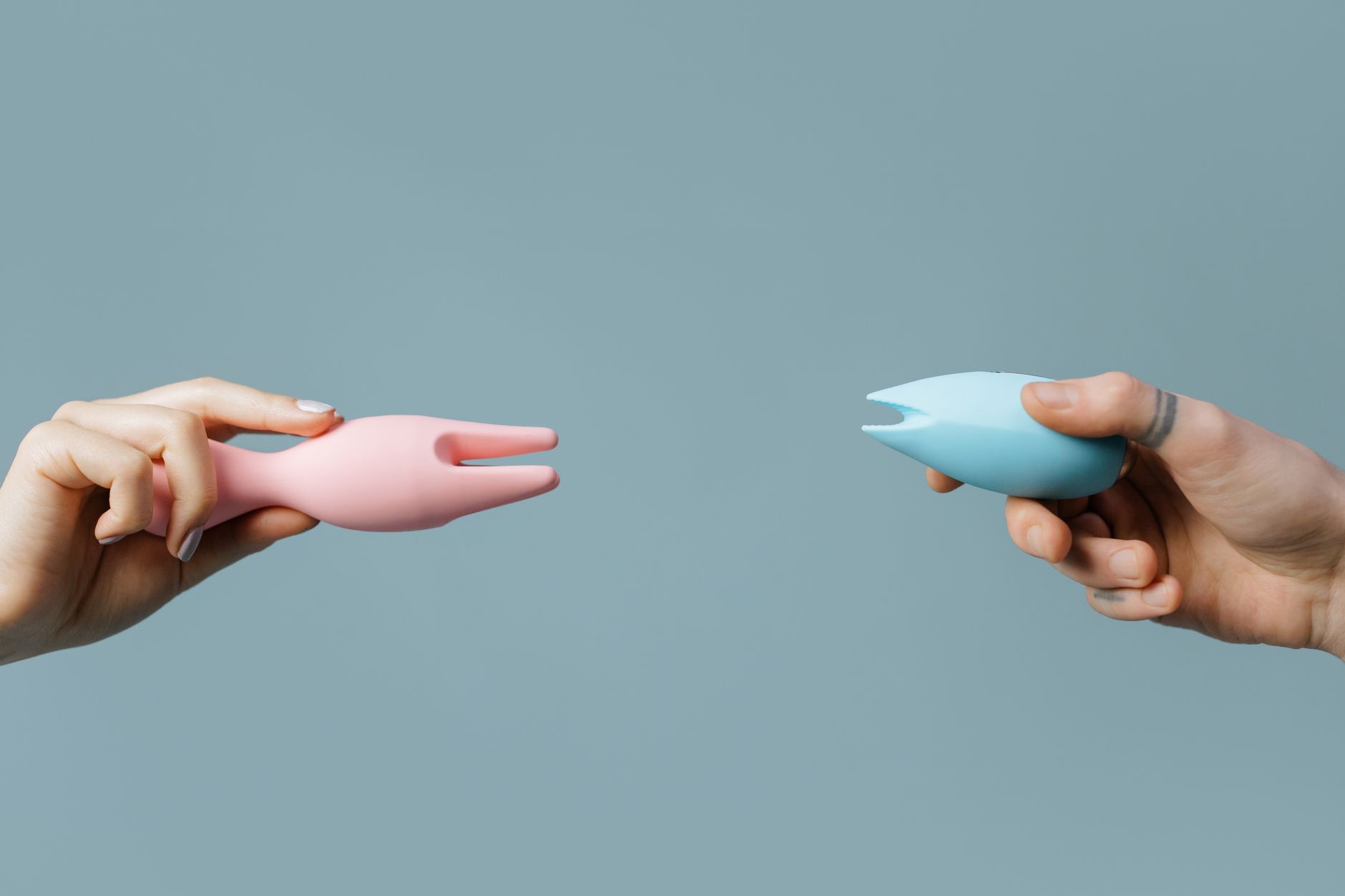
The reason lemon vibrators are particularly useful for slower arousal is pattern and reliability. When your body is slower to respond, you need consistent, predictable stimulation that you don't have to think about.
Traditional vibrators often require you to hold pressure, adjust angle, and monitor intensity. With slow arousal, that cognitive load can actually work against you. Your brain stays engaged in the mechanics instead of dropping into sensation.
Lemon suction-based vibrators work differently. They create sustained stimulation through air-pulse patterns that feel stable and rhythmic. You set it, your body responds at its own pace, and you're freed from the management of it. That difference matters more than you'd expect.
Start at low patterns (usually 1 through 3 on the Lem vibrator). Don't jump to high intensity. Slow arousal responds better to gentler stimulation maintained longer than to aggressive short bursts. Give yourself 15 to 25 minutes with a single gentle pattern before moving up. Your body will tell you if it wants more intensity.
The timing piece that changes everything
When you have slow arousal, rushing the process guarantees it won't work. This is where intention shifts from "I want to come quickly" to "I want to feel good while I'm here." Completely different goal.
If you're with a partner, this conversation needs to happen outside of sex. Not during. Say: "My body responds better when we have more time and less goal pressure." That's clear information. It's not a complaint. It doesn't mean your partner isn't attractive. It means your arousal system needs different conditions.
Alone, you get to set the pace entirely. Most people find that removing the time pressure is the biggest relief. An hour of slow, exploratory pleasure beats fifteen minutes of frustrated rushing every single time.
Use lemon vibrators as a tool for pleasure, not a solution for speed. The goal isn't to make yourself aroused faster. The goal is to create conditions where arousal can happen naturally, without your nervousness about timing making it harder.
When to add more support
If slow arousal is paired with pain, numbness, or complete loss of interest in sex, you might need more than technique changes. A gynecologist or therapist trained in sexual health can rule out whether medication side effects, hormonal shifts, or pelvic floor tension are playing a role.
If arousal is slow mostly with a partner but works fine solo, that's usually relationship or communication work, not a body problem. A couples therapist (especially one trained in Gottman Method or Emotionally Focused Therapy) can help you rebuild the safety and attunement that arousals need.
If slow arousal showed up suddenly after a medication change, talk to your prescribing doctor. Some antidepressants, blood pressure meds, and other common drugs do affect arousal timing. There might be alternatives.
But if slow arousal is just your baseline, and you're healthy, pain-free, and interested in sex. You're not broken. You're just different.
Building a sustainable pleasure routine
The best approach I've seen is treating slow arousal like any other aspect of self-care that needs support. You wouldn't skip stretching before a run because it takes time. You'd do it because it works.
Create a rhythm. Maybe Friday nights are yours. Give yourself that container. Thirty minutes minimum, no phone, no rushed energy. Use it to explore without pressure. A lemon clitoral vibrator becomes part of that ritual, not a cheat code for faster arousal.
Notice what patterns feel best. Some people respond better to specific rhythms on the Lem. Some find that pairing vibration with penetration (if that's part of your pleasure) changes things. Pay attention to your own data instead of following someone else's formula.
Talk about it if you're partnered. "I need twenty minutes of non-goal-oriented touching before vibration actually feels good" is useful information. Share it. Most partners are relieved to have clarity instead of guessing.
And honestly? Many people find that once they stop fighting their slow arousal and start designing for it, the quality of orgasm actually improves. You're not racing. You're present. Your nervous system settles. And from there, everything works better.
FAQ: Your questions about slow arousal and lemon vibrators
How long should I spend trying to get aroused before I decide it's not working?
At least twenty minutes with consistent stimulation. Your body needs time to shift into parasympathetic activation, which is when arousal happens. If after twenty minutes with a lemon vibrator on a gentle pattern you're not feeling anything, pause. Check in: Are you actually relaxed? Is there time pressure? Are you anxious? Address the environment or your mental state first before assuming your body is the problem. Often the issue is one of those three.
Can slow arousal be a sign of depression or anxiety?
Yes, absolutely. Depression flattens sensation and motivation. Anxiety keeps your nervous system activated in threat mode, which prevents arousal. If slow arousal appeared alongside low mood, loss of interest in things you normally enjoy, or racing thoughts, talk to a therapist or doctor. It might not be a sexual thing at all. It might be your nervous system asking for help.
Is it normal for arousal to be slower than my partner's?
Completely normal. People's nervous systems are wired differently. Some people respond to anticipation alone. Others need direct physical touch. Some need mental relaxation first. It's not a mismatch problem unless you both expect arousal to work the same way. Once you accept different timelines exist, you can design around it instead of fighting it.
Will using lemon vibrators make my arousal even slower?
No. If anything, having a reliable tool that doesn't require you to manage pressure or angle often speeds things up by removing cognitive load. The issue isn't the vibrator. It's whether you're using it in an environment where your nervous system can actually relax. Same vibrator in a rushed, stressed situation won't help. Same vibrator with twenty minutes of protected time, zero distractions, and zero performance pressure will likely feel transformative.
What if slow arousal only happens with my partner?
That's usually about safety or attunement, not your body's capacity. Solo arousal works because there's no one to impress, no one's timeline to match, no performance pressure. With a partner, those things creep in even if neither of you intends them to. Talking about it explicitly helps. So does spending time on connection outside sex. Partners who feel emotionally close often find arousal syncs up more easily.
How do I know if slow arousal is temporary or permanent?
It depends on the cause. If it started after a medication change, it might reverse if you switch meds. If it's stress-related, it might shift when the stressor does. If it's hormonal, it might change over your cycle or with life stage. If it's just how your body has always worked, it's not going anywhere, and that's fine. You're building a practice that works for you, not waiting for your body to go back to how it used to be.
The bottom line
Slow arousal isn't a defect you need to fix. It's a different operating system you need to understand. Once you do, and once you design your pleasure around how your body actually works instead of how you think it should, things open up. A lemon vibrator is just one tool in that design. The real tool is permission to take your time and trust your body to know what it needs.
If you want to talk through what's happening with your arousal in more depth, we're here. Drop us a line at /contact.