How to Use Lemon Vibrators When You're Newly Single and Rebuilding Confidence
Let's be real. After a breakup, your body feels like a stranger's house. Someone else knew where the light switches were. Someone else knew your rhythms, your touch preferences, your pleasure map. Now you're standing in that house alone, and you're not sure you remember how to turn anything on.
This is completely normal. And this is where lemon vibrators come in, not as a quick fix, but as a gentle tool for reclaiming your own territory.
Why pleasure feels different when you're newly single
It's not just emotional. Your nervous system has been on a two-person frequency. After a relationship ends, that nervous system needs to recalibrate. You might feel self-conscious about your body in ways you didn't when someone was already choosing you. You might feel guilty for wanting pleasure when the relationship failed. You might be grieving the intimacy even while relieved the relationship ended.
All of that is stored in your body. A lemon vibrator won't fix grief, but it can help you separate grief from pleasure. It can remind you that your capacity for sensation exists independently from another person's desire for you.
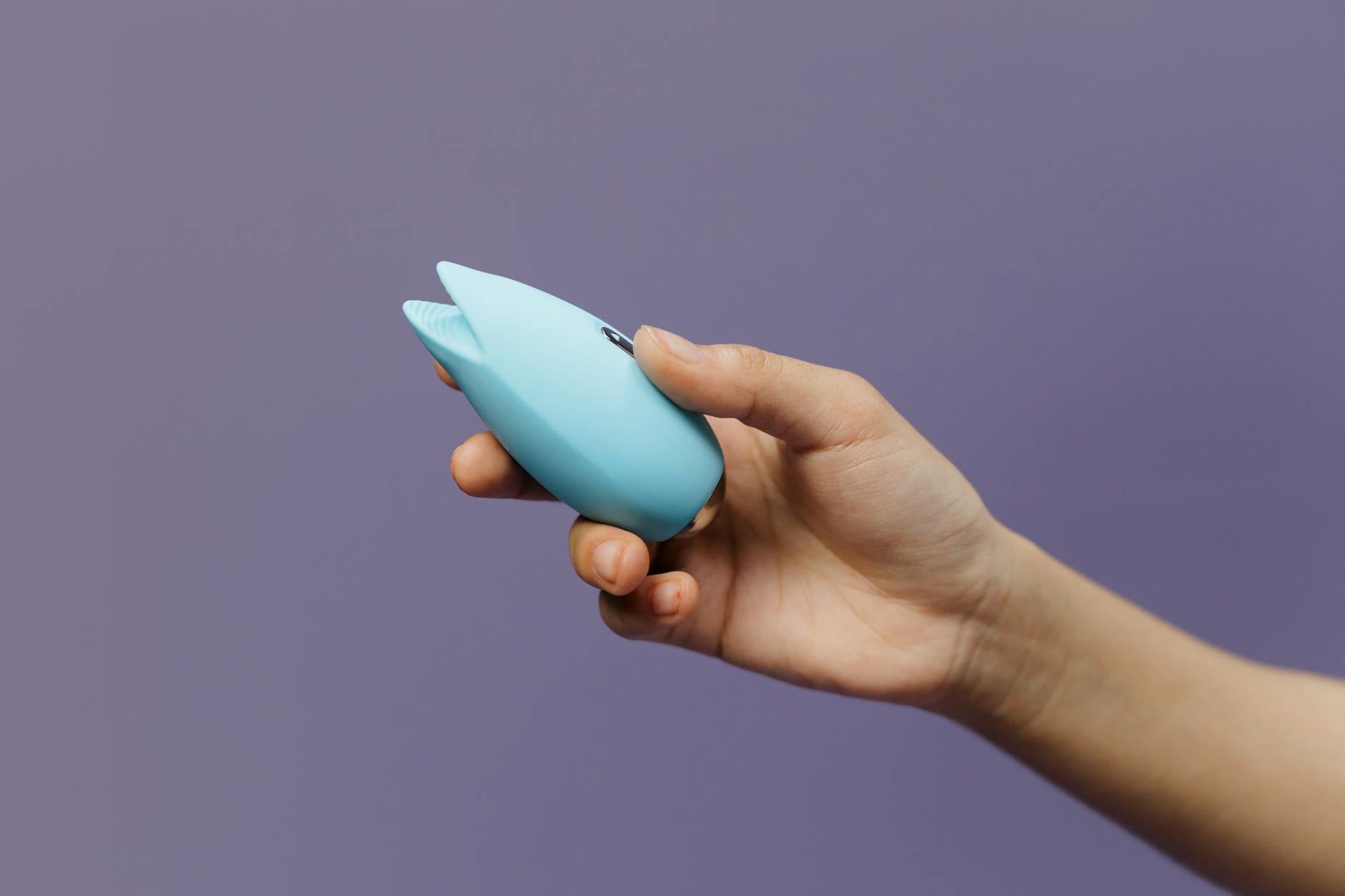
Here's the thing about lemon vibrators specifically. Unlike wand vibrators that deliver broad, intense stimulation, lemon clitoral vibrators use precision suction and air-pulse technology. That focused attention mimics the feeling of a partner's attention without requiring you to manage someone else's pleasure. You're not performing. You're just receiving.
Starting with gentleness, not performance
When you're rebuilding confidence, the worst thing you can do is pressure yourself to have an orgasm, feel intensely, or perform pleasure the way you might have with a partner watching.
Instead, start with the lowest setting. Most lemon vibrators come with 5-10 intensity levels. Spend two or three sessions on level 1. Your only job is to notice sensation. Not to chase it, not to judge it, not to force it. Just to observe.
Lie down somewhere comfortable. Don't make it a production. You're not trying to seduce yourself. You're trying to relearn your own geography. Take at least 10-15 minutes for this. Patience is the entire point right now.
If you feel self-conscious or performative (like you're "supposed" to be enjoying this), pause. Acknowledge it. Those feelings are real and they don't mean you're broken. They just mean you're relearning how to want something for yourself, not for someone else's benefit.
Building trust with your own body again
One of the things that happens in relationships is mutual trust in arousal. You trusted that your partner's attention would build your desire. They trusted that your responses were genuine. That mutual feedback loop is gone, and your body might not automatically produce arousal for you the way it did when someone else was initiating.
This is temporary. It's not a permanent change in your capacity for pleasure.
Use lemon vibrators to rebuild that self-trust incrementally. Week one, just explore sensation at low intensity. Week two, experiment with a few different settings and notice which ones feel genuinely good versus which ones you think you "should" enjoy. Week three, start building longer sessions, 20-30 minutes, where you're not chasing orgasm but allowing pleasure to develop at its own pace.
Your body is learning that you're a safe partner to yourself. That you listen. That you'll stop if something doesn't feel good. That you won't push for an outcome. That takes time, but lemon clitoral vibrators make this process concrete and manageable in a way that abstract self-compassion talk doesn't.
Managing guilt, shame, and the aftermath of criticism
If the relationship ended badly, or if your partner criticized your body, your desires, or your pleasure patterns, you're carrying that into this moment. Some newly single people feel guilty for wanting pleasure at all. Others have internalized shame about what they like.
Here's what I tell my clients: your pleasure does not require anyone else's permission. Not your ex's approval, not society's comfort level, not your family's opinion.
When you use a lemon vibrator alone, you're making a quiet, physical statement. You're saying: this is my body, and I get to decide what feels good. You're not defending that choice to anyone. You're not explaining it. You're just claiming it.
If shame comes up during a session, pause. Breathe. Notice where you feel it in your body. Sometimes we need to feel the feeling before we can move past it. You don't have to shame-spiral yourself out of pleasure. You can just acknowledge it, and then set it aside, and come back to sensation.
Creating a ritual that's about you, not about sex
Many newly single people avoid their own pleasure because it feels lonely or because they associate it with the lost relationship. One way to shift that is to make solo pleasure a self-care ritual, not a sexual performance.
Set aside 30 minutes. Light a candle, brew tea, play music you actually like, not music you think you should like. Put your phone in another room. Your lemon vibrator is part of a larger ritual of taking care of yourself, not the main event.
This framing helps because it removes the pressure to orgasm, to feel intensely, to "succeed" at pleasure. You're just showing up for yourself the way you might show up for a friend. With care. With attention. With the understanding that this is valuable time.
The lemon vibrator is a tool within that ritual. Sometimes you'll use it and feel amazing. Sometimes you'll use it and feel meh. Both outcomes are data. Both outcomes are fine.
Knowing when to push forward and when to rest
Some weeks, you'll feel ready to explore more intensity. Some weeks, you'll need to go back to level 1. Both are normal, and both are important information.
You're not trying to rebuild a consistent, predictable pleasure response right now. You're rebuilding your capacity to listen to your own body. That means sometimes your body will ask for softness. Sometimes it will ask for intensity. Sometimes it won't ask for anything at all.
If you find that weeks go by and you're not interested in pleasure at all, that might be a sign that you need other support, not more lemon vibrators. Grief, depression, and major life transitions can genuinely flatten desire. That's not a failure. That's just information. Consider talking to a therapist or counselor if pleasure has completely disappeared, because that often signals something that needs broader attention.
But if you're intermittently interested, sometimes feeling numb, sometimes feeling alive, that's the normal texture of rebuilding. And lemon vibrators are a grounded, manageable way to practice that rebuilding.
When you're ready to explore sensation more deeply
Once you've spent a few weeks at lower intensity levels, you might get curious about what higher settings feel like. This is different from pushing yourself to feel something. This is exploratory interest, which is a good sign.
When you bump up to level 3 or 4, do it during a session when you're already feeling some warmth and interest. Don't use higher intensity as a shortcut when you're numb. That won't work, and it might reinforce the idea that you need to chase intensity to "succeed" at pleasure.
Notice the differences. Does higher intensity feel better, or does it feel like too much? There's no right answer. Some people find that precision lower-level stimulation from lemon clitoral vibrators is actually their preference, whether they're single or partnered. That's valuable self-knowledge.
Reframing pleasure as part of self-respect
I work with a lot of newly single clients who feel like wanting pleasure is somehow disloyal to the ended relationship, or selfish, or like they're "moving on too fast." Here's what I tell them: your capacity for pleasure is not a referendum on the relationship. It's not a betrayal. It's not moving on. It's just your body doing what bodies do.
When you can separate "I'm grieving this relationship" from "I'm allowed to feel good in my body," you give yourself permission to do both things at once. You can be sad about what ended and also be glad that you can pleasure yourself. Those aren't contradictory.
Using a lemon vibrator becomes an act of self-respect. You're saying: I deserve attention. I deserve sensation. I deserve to feel like myself, even though my life has changed. That's not frivolous. That's foundational.
Your pleasure matters not because someone else is watching. It matters because it's yours.
Building toward partnered pleasure eventually
If and when you're ready to be with a partner again, this solo work with lemon vibrators is actually incredible preparation. You'll know your own patterns. You'll know what you like without having to figure it out in front of someone new. You'll have practiced articulating sensation, which makes communication with partners so much easier.
And if you decide that solo pleasure is just what you want for now, that's complete and whole on its own. There's no timer on this. No deadline for when you're supposed to "move on" or "get back out there." Your body's timeline is the right timeline.
The bottom line
Using lemon vibrators after a breakup isn't about jumping back into sex or "proving" that you're fine. It's about slow, intentional reconnection with your own body. It's about remembering that you are capable of pleasure independent of anyone else's desire. It's about building a relationship with yourself that's as attentive and generous as any partnership should be. That foundation matters more than how fast you get there.
People Also Ask
How long does it take to feel pleasure again with a lemon vibrator after a breakup?
There's no standard timeline. Some people reconnect with sensation within a few weeks. Others need months of gentle exploration before pleasure feels accessible. Grief, the length and intensity of the relationship, and your individual nervous system all affect this. The most important thing is to avoid pushing a timeline. Pressure kills pleasure. If you're noticing any sensation at all after a few weeks of gentle exploration, you're on the right track.
Is it normal to feel guilty using a vibrator when you're newly single?
Very normal. Many people internalize the idea that pleasure is supposed to be relational, or that wanting it for themselves is selfish. It's neither. Guilt often gets paired with pleasure because we've been taught that our bodies should be available for others, not just ourselves. Using a lemon vibrator is a concrete way to practice separating your pleasure from other people's needs. The guilt usually softens with repetition and self-compassion.
Can lemon vibrators help if I'm also dealing with depression or low libido after the breakup?
Lemon clitoral vibrators can support you, but they're not a substitute for professional help if you're dealing with depression. Breakups can trigger depressive episodes. Low libido is sometimes a symptom of depression, not a separate issue. If pleasure has completely vanished and isn't returning after a few weeks, or if you're experiencing other signs of depression like sleep changes, fatigue, or loss of interest in things you usually enjoy, talk to a therapist or doctor. A vibrator is a tool, not treatment.
Should I use a lemon vibrator if I'm not sure I want to be single?
Solo pleasure isn't about accepting the breakup or "moving on." It's about reconnecting with your body while you're processing whatever you're processing. You can be angry, sad, confused, and nostalgic while also exploring sensation alone. These things happen in parallel. In fact, a grounded practice of self-touch often helps you process the full range of emotions more clearly than avoidance does.
What's the difference between lemon vibrators and other types of clitoral vibrators for rebuilding confidence?
Lemon vibrators use suction and air-pulse technology, which tends to feel gentler and more precise than traditional vibrators. That precision is actually beneficial when you're rebuilding confidence because it feels more like focused attention and less like an overwhelming external stimulus. The sensation is more controllable, which matters when you're learning to trust your own body again. That said, the best tool is the one that feels right for you. Some people prefer different styles. Experiment if you're curious.
Can I use a lemon vibrator if I haven't felt pleasure in a long time?
Yes, but start at the lowest setting and build slowly. If you haven't felt pleasure in months or years, your nervous system needs time to wake up. Numbness from chronic stress, medication, depression, or trauma doesn't mean you've lost your capacity for sensation. It usually means your body has been operating in a survival mode and needs gentle, consistent signals that it's safe to soften. A lemon vibrator is one tool for that, but it works best alongside other support like therapy, movement, or other forms of self-care.