Here's the truth nobody tells you
Surgery changes your body. Temporarily. And that includes how pleasure feels. Whether you've had gynecological surgery, abdominal work, or even something that seems unrelated like a hernia repair, your nervous system is recalibrating. The tissue is healing. The scar tissue is forming and settling. Your brain is relearning what safety feels like down there.
That's not permanent. But it is real. And ignoring it usually makes the process slower, not faster.
What happens to sensation after surgery
When tissue is cut and repaired, several things shift temporarily. Nerve endings are disrupted during the procedure. They regrow, but not in a straight line back to where they were. Scar tissue can change how stimulation feels. Inflammation lingers longer than you'd expect. And your pelvic floor, even if it wasn't directly involved in the surgery, tightens protectively. Your body thinks it's still in danger.
Anesthesia also leaves a hangover in your nervous system. For weeks after surgery, many people report that sensation feels muted, distant, or weirdly intense in patches. Both things are normal. Both usually resolve.
What doesn't change is your capacity for pleasure. Your clitoral nerve structure is intact. Your brain's reward pathways are intact. You haven't lost anything. You're just working with a body that's speaking a different language than it did three weeks ago.
Why lemon vibrators work well during recovery
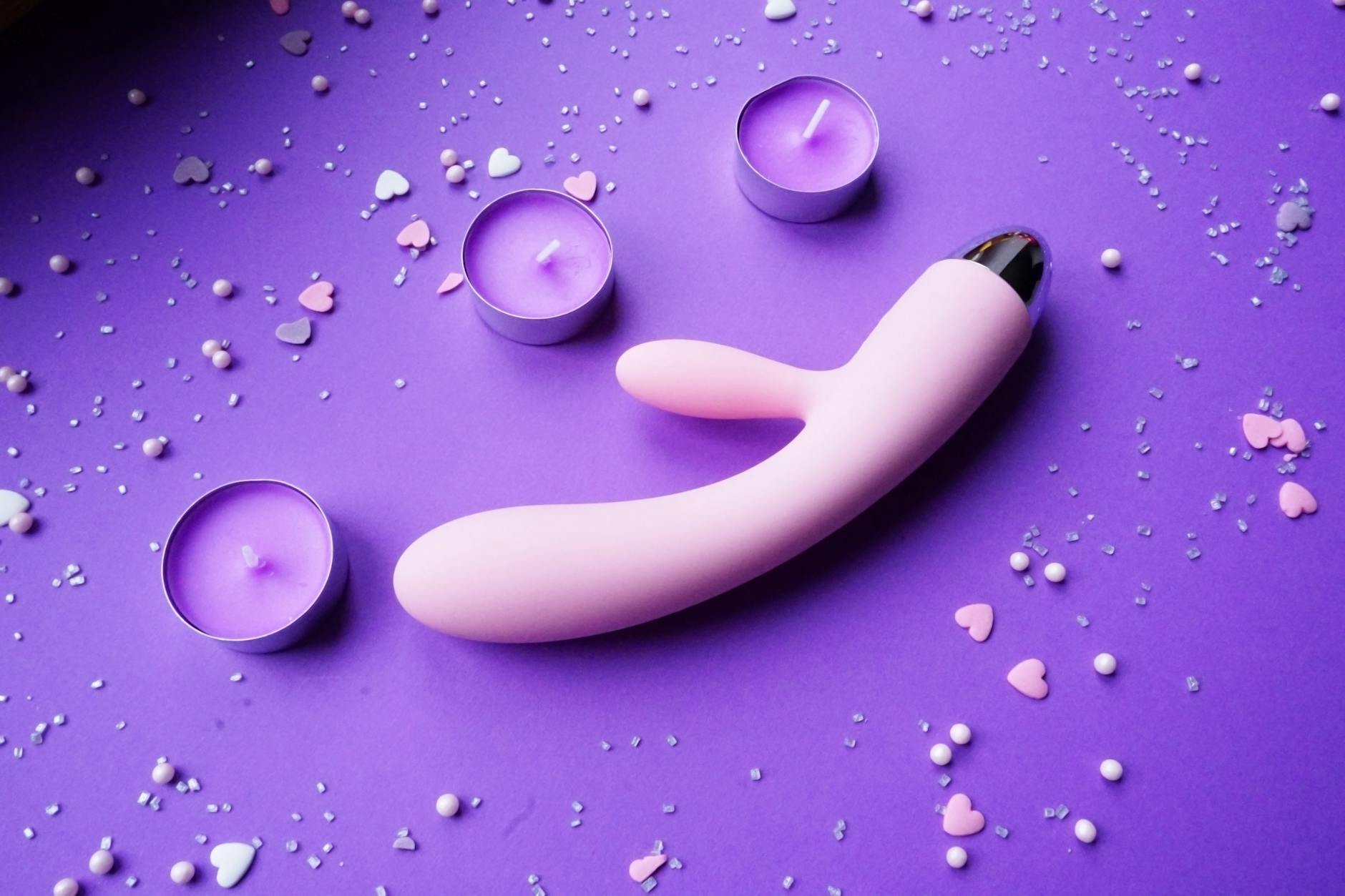
If you used lemon sexual toys before surgery, you probably wondering if you can return to them. The answer is nuanced, but here's why they're often the right choice during this window.
Traditional vibrators rely on high-frequency buzz. That can feel overwhelming on sensitized tissue. Lemon vibrators, by contrast, use a broader, gentler wave pattern that doesn't require intense sensation to register. You're getting stimulation that builds gradually rather than hitting hard right away. That matters when your nervous system is still in protective mode.
The lemon sucker design also gives you something else: control. You can adjust pressure. You can move it. You're not locked into one rhythm. During recovery, that agency is psychologically important. Your body needs to remember that sensation is safe because you control it.
Another factor: lemon clitoral vibrators don't demand the same level of arousal as traditional adult toys. They work on a different principle. You don't need to be maximally turned on for them to feel good. That's genuinely useful when your body's arousal response is still reorganizing itself.
The timeline you should know about
Most gynecological surgery needs 4-6 weeks before any internal contact is safe. That's not a suggestion. Infection risk is real, and so is re-injury. Your surgeon gave you this timeline for a reason.
But external play is often safe much sooner. Ask your surgeon specifically about external stimulation and clitoral touch. Many surgeons will clear you for external contact after 2-3 weeks, depending on where the incision is and how it's healing. A lemon vibrator, used externally only, can be part of your recovery routine much earlier than penetrative sex.
After 6-8 weeks, most people notice their sensation returning to baseline. Scar tissue is settling. The nervous system has mostly adapted. Some people feel more sensation than before. Others notice it's taken on a slightly different character. Both are fine. It usually keeps improving for 3-6 months post-op.
How to ease back in safely
Start with external contact only, even if you feel ready for more. Your surgeon said you could, but your nervous system might not be. Give your body a week or two of external play. You're retraining your system to recognize pleasure as safe.
Use plenty of lubricant. Your tissue is healing. It's likely drier than usual. Water-based lube is your friend. It helps sensation register more clearly without adding friction stress.
Start at the lowest setting and work up. One of the gifts of recovery is that it forces you to slow down. You can't rush pleasure right now. You have to build it. That's not a limitation. It's actually a reset most people need anyway.
Keep communication open with your partner. If you have one, they're probably anxious too. Surgery creates vulnerability on both sides. Talking explicitly about what you're feeling, what feels good, what feels off, reconnects you faster than silence does. This isn't the time to guess or perform. This is the time to check in.
The emotional piece matters as much as the physical
Here's what I see in my practice with couples navigating post-surgical recovery. The physical healing is usually faster than the emotional one. You had something cut out of your body. That's a loss, even if it was necessary. Your partner might feel anxious about hurting you. You might feel anxious about whether you can feel pleasure again. Those anxieties are legitimate and they affect sensation more than the surgery itself sometimes.
Pleasure and safety are neurologically linked. If your nervous system thinks you're in danger, it will dampen sensation to protect you. That's not weakness. That's your body doing its job. It means you need to deliberately rebuild the safety signal. That looks like: slow reconnection, communication, patience, and tools like lemon vibrators that give you control and don't demand intensity.
When to pause and talk to a doctor
If you're past 8 weeks and sensation hasn't started returning, check in with your surgeon or a pelvic floor physical therapist. That's not normal and it's fixable, but it needs professional eyes.
If pain appears during or after stimulation, stop. Pain is information. It usually means you're pushing too hard too fast, or there's something healing that needs more time. It's not a sign that you're broken. It's a sign that your body needs a slower timeline.
If you're noticing numbness in patches that isn't improving by 12 weeks, that's worth mentioning too. Some nerve changes persist, but most don't. Your surgeon needs to know you're tracking it.
Reconnecting with pleasure is part of healing
You're not getting ahead of recovery by exploring sensation. You're part of it. Your nervous system needs to relearn what pleasure feels like in your new body. Lemon vibrators are an accessible, gentle way to do that on your own timeline. They adapt to wherever you are in the healing process without demanding anything your recovering body isn't ready to give.
Recovery is linear until it isn't, and then it's a loop back. That's fine. You have time. Your pleasure isn't going anywhere.