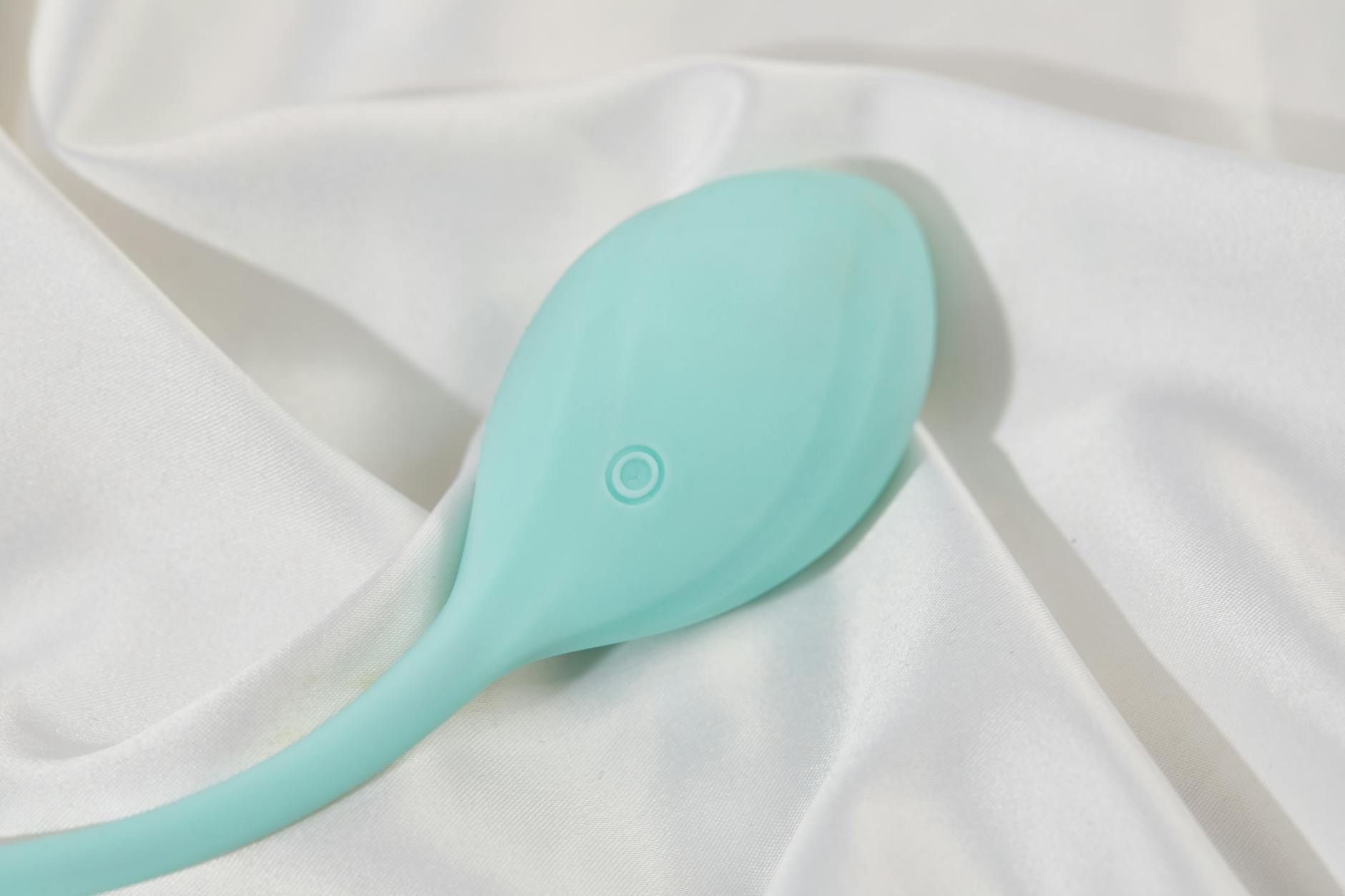
Here's the thing about long-term desire
Your lemon clitoral vibrator feels different now. Maybe less thrilling. Maybe you need more warm-up time, or the intensity that used to work just fine feels too sharp. You might be wondering if something broke. Spoiler: it didn't. What changed was the context your body is experiencing pleasure in, and that context matters wildly.
I work with couples in the 8-to-25-year range constantly, and this conversation comes up in nearly every session. The pleasure hasn't disappeared. The wiring is still there. What's shifted is the emotional and psychological scaffolding around it, and that scaffolding affects sensation more than most people realize.
The novelty recession is real
Let's start with the neurological part. Early in a relationship, novelty floods your brain with dopamine and norepinephrine. Everything feels heightened. Touch is electric. Orgasms are often faster and more intense. This isn't a metaphor. It's measurable.
After 5-7 years together (sometimes sooner, sometimes later), that neurochemical surge stabilizes. Your brain has seen your partner. Touched your partner hundreds of times. Anticipated their movements. Built predictive models of what's about to happen. That's not failure. That's your nervous system doing exactly what it evolved to do. But it does mean sensation flattens a little. The same lemon vibrator feels less novel against skin that thought it knew what to expect.
Here's what complicates it: many people interpret this flattening as "we've lost it" rather than "our nervous system has matured." The second one is closer to true.
Emotional intimacy creates different pleasure
This is the part I actually love. Early-relationship sex often prioritizes intensity because novelty is the drug. Long-term sex, when it's working well, can prioritize depth. And depth changes how sensation lands.
When you've been with someone for a decade, you know how they move. You know what they notice about you. You know if they're checking their phone or actually present. That knowledge can feel constraining. It can also feel like permission.
Many of my clients report that after they've worked through conflict or reconnected emotionally, their clitoral vibrators feel almost surprisingly effective again. Not because their body chemistry shifted back (though it sometimes does), but because they're not bracing anymore. The nervous system relaxes. And a relaxed nervous system experiences sensation completely differently than a vigilant one.
If you're in a relationship where there's unspoken resentment or distance, that tension lives in your pelvic floor. Your tissues tighten. Your arousal threshold climbs. The same intensity that felt amazing at year two feels jarring at year twelve. The vibrator hasn't changed. Your safety has.
Routine kills novelty faster than anything
This one's worth naming directly: if sex with your partner has become scheduled, predictable, and comfortable in a way that feels more like maintenance than desire, your body knows. And it responds by dampening sensation.
I'm not saying novelty has to mean spontaneity or adventure (though it can). I mean: something that registers as new information to your nervous system. If every time you use your lemon vibrator, you're in the same position, at the same time of day, with the same foreplay, your brain stops treating it as significant. Your clitoral nerves respond less robustly. Not because you're broken, but because evolution designed you to conserve energy on predictable threats and predictable pleasures.
The fix isn't necessarily "be spontaneous." It's "vary the input." Use the vibrator in a different room. Different position. Different time of day. Different context entirely. If you're partnered, some people find that inviting their partner into the experience differently (as a witness rather than a participant, or vice versa) resets the nervous system's response.
When it's not novelty. When it's resentment.
Honestly though, the most common reason lemon vibrators feel flat in long-term relationships isn't neurochemistry. It's anger. Unresolved conflict. The belief that your partner doesn't actually see you, or doesn't prioritize your pleasure, or has become someone you're not sure you like very much anymore.
You can't orgasm your way out of that. A clitoral vibrator won't fix it. And trying often makes it worse, because now you're performing pleasure on top of everything else.
If this is your situation, the conversation you need isn't about lemon vibrators or technique. It's about whether you and your partner are actually willing to do the work of reconnection. Some couples move through that willingly. Some realize they're not actually compatible anymore. Both are valid outcomes. But neither one happens in the bedroom. It happens in the conversation first.
The partner dynamic shifts sensation
If you use your clitoral vibrator with your partner present, the dynamic changes everything. Early in relationships, that can feel vulnerable and thrilling. After years, it can feel routine or even exposing in a way that doesn't feel safe.
I have clients who discovered that after 10 years of partnered sex, they actually needed to reclaim solo pleasure first. Spend time with their vibrator alone, relearning what they wanted, before inviting their partner back in. That's not selfish. That's a reset button.
Conversely, I have other clients whose partnerships deepened when they stopped performing pleasure for their partner and started actually collaborating on it. That requires a very different kind of vulnerability than early-relationship sex. It requires saying "I need longer warm-up time now" or "this position stopped working for my body" instead of pretending you're still the person you were at 28.
When you can do that without shame, sensation often returns. Not because anything changed about your lemon vibrator. Because you stopped bracing against judgment.
How to actually reconnect
Three things that shift the experience:
Start with honesty, not solutions. Tell your partner that sensation has changed and you're curious about why instead of ashamed. This is the opposite of how most people approach it. Most people try harder (more intensity, more techniques) before admitting that something feels off. Try admission first.
Separate solo pleasure from partnered pleasure. If you're using your vibrator only with your partner, try using it alone for a few weeks. Not as deprivation of your partner. As research. Notice what feels different. What you actually want. Bring that back to the relationship.
Build in novelty intentionally. Not for your partner's sake. For your nervous system's sake. A different room. A new lubricant. Different timing. Different communication beforehand. Anything that registers to your brain as new information can reset sensation.
The relationship hasn't ended. The dynamic has matured. And mature desire, when you stop fighting it, is often more resilient than the early kind.
What changes are actually physical
Sometimes the shift in how your clitoral vibrator feels isn't emotional at all. After a decade with a partner, your hormones may have shifted. Stress accumulates. Sleep gets worse. Your pelvic floor tension creeps up year by year. All of that affects sensation.
If the issue is purely physical (and you can usually tell because it's consistent whether you're partnered or solo), that's actually the easier fix. Why lemon vibrators need longer warm-up time is a common pattern. Pelvic floor physical therapy helps more than people expect. Consistent sleep helps. Stress management helps. A vibrator itself isn't always the variable that needs changing.
When to actually worry
If desire has completely flatlined and you're not sure why, that's worth examining with a therapist. Not because there's something wrong with you, but because complete loss of desire usually signals something. Burnout. Unresolved conflict. Depression. Hormonal shifts. A mismatch in what you and your partner actually want. Those are all real, and all worth addressing.
But if you're noticing that your lemon vibrator just feels a little less intense, or requires a little more patience, or works better in certain contexts? That's actually the normal arc of long-term sexuality. Not decline. Deepening. The nervous system learning to distinguish between novelty-based pleasure and intimacy-based pleasure. And the second kind, when it's there, is often richer.
People also ask
Why do clitoral vibrators feel less intense after years with the same partner?
Novety creates a neurochemical response that flattens over time. Your brain has processed your partner's touch repeatedly, so it stops registering as novel information. This doesn't mean your capacity for pleasure has diminished. It means your nervous system has matured and your body has adapted. Additionally, unresolved emotional tension or routine predictability can suppress arousal. Reconnecting emotionally and intentionally varying the context often restores sensation.
Can a lemon clitoral vibrator help reconnect a couple?
A vibrator itself won't fix relationship issues, but it can be a tool for reconnection if the underlying relationship work happens first. When couples address emotional distance, resentment, or communication breakdown, and then invite new tools or contexts into their intimate life, the shared experience can deepen. The vibrator is secondary to the willingness to be vulnerable and curious together.
Does using a lemon vibrator solo damage partnered sex?
Not at all. Actually, many couples find that solo pleasure helps reestablish what you genuinely want, free from performance pressure. Using your vibrator alone can help you reclaim your body's signals and communicate those needs more clearly to your partner. Solo and partnered pleasure serve different purposes and both can coexist healthily.
Is it normal to need more warm-up time with a clitoral vibrator after years together?
Yes, very normal. Physical changes (hormonal shifts, stress, sleep debt, pelvic floor tension) accumulate over time. But so do psychological changes: if you're accustomed to your partner's touch, your nervous system may need deliberate signaling that this is a new experience. Longer warm-up, varied positioning, and intentional novelty usually help.
How do I talk to my partner about feeling flat desire?
Start with curiosity instead of blame: "I've noticed sensation feels different lately and I'm wondering what's changed" rather than "You don't turn me on anymore." Separate the conversation from the bedroom. Don't try to fix it during sex. Name what you've observed, ask what they've noticed, and be willing to hear that they may be experiencing something similar. The conversation itself often shifts things.
What if my partner doesn't understand why I want to use my vibrator differently now?
That's an education and vulnerability moment. Explain that your body has changed, your preferences have evolved, and you're not trying to replace them. You're trying to stay in touch with your own pleasure so you can show up more authentically in shared pleasure. If your partner responds with defensiveness or shame, that's actually the real conversation you need to have. That defensiveness is usually about them, not about the vibrator.
Long-term relationships don't have to mean declining desire. They have to mean honest conversations about what desire actually looks like now. And sometimes, that version of desire is deeper than the early kind. Not always easier. But more grounded. More resilient. More yours.