The gap changes more than you think
Here's what nobody tells you about resuming sexual intimacy after years apart. Your body won't remember quite like you thought it would. And honestly? That's not a failure. It's information.
Whether the gap came from life circumstances, health challenges, grief, or a relationship pause, restarting sex with a partner isn't like riding a bike. It's more like learning to ride with someone else on the seat while you're both nervous about balance.
What happens physiologically when you restart
Time away from partnered sex creates real physical changes. Your pelvic floor muscles tighten from disuse. Your body's arousal response becomes less automatic because you haven't been practicing it. If you're over 40, hormonal shifts may have happened in the interim, changing lubrication and tissue sensitivity.
That doesn't mean you've lost capacity. It means you're starting from a different baseline.
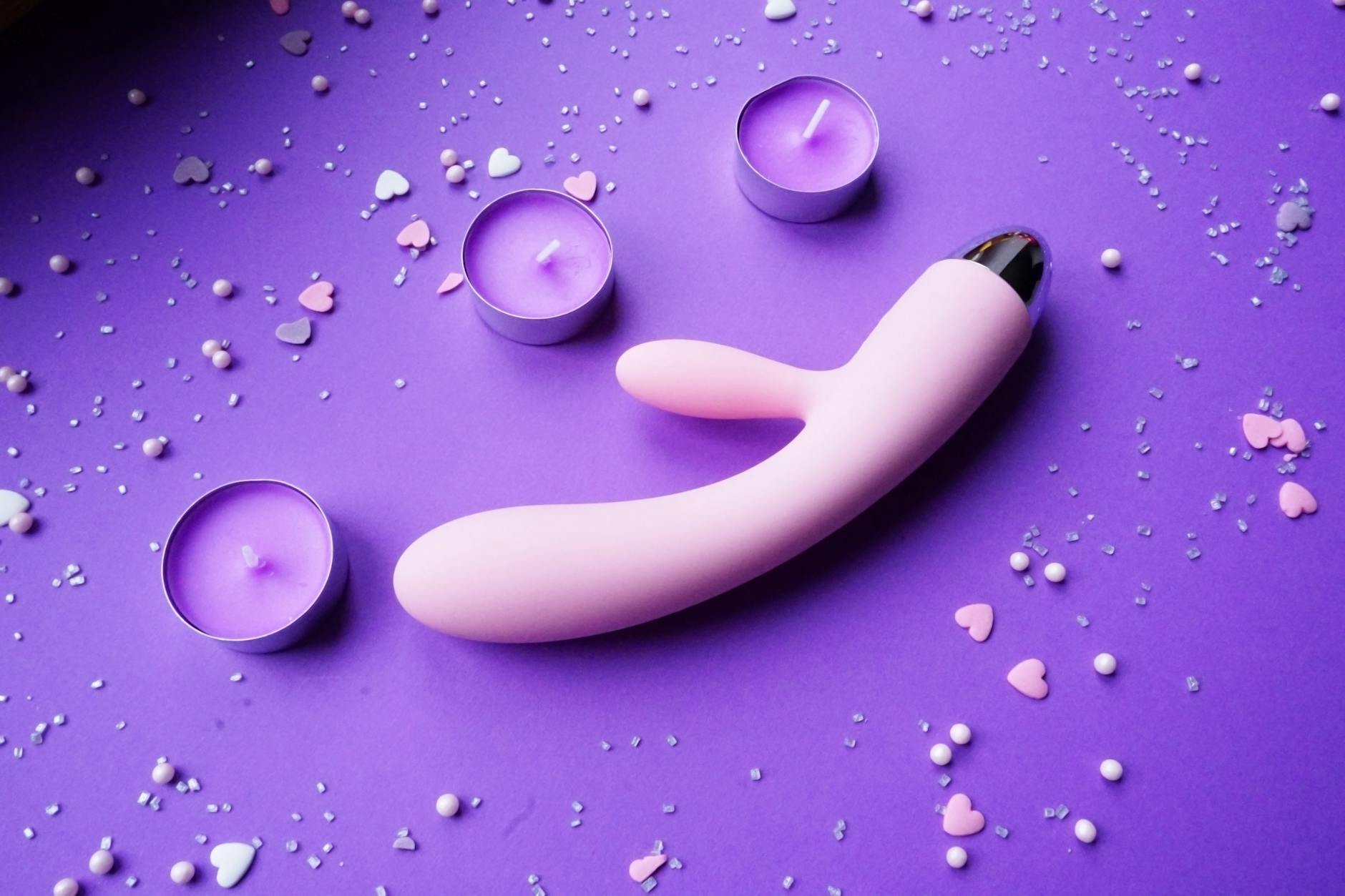
When people introduce lemon clitoral vibrators to this reunion phase, they often say the experience feels surprisingly gentle compared to what they expected. Lemon vibrators work through gentle, consistent stimulation rather than intense vibration, which can be exactly what a body needs when trust and comfort are still rebuilding.
The emotional piece is doing most of the work
Here's the piece that matters more than any physical factor. Resuming sex after years apart triggers vulnerability in a way that first-time sex with someone often doesn't. You have history. You have memory. You have potential disappointment.
Many couples find that bringing a toy into the reunion actually reduces pressure. It shifts focus from performance to sensation. It gives permission to go slow. A lemon vibrator becomes less about intensity and more about exploration. You're not rushing toward a goal. You're checking in with each other's bodies as they are now.
If you're restarting with a new partner after years of being single or in a non-sexual relationship, the vulnerability is different but just as real. You're learning someone's touch and rhythm from scratch. You're figuring out what feels good in your body right now, which may not be what felt good before.
Why timing matters more than you'd expect
When you've been apart for years, your nervous system might not trust arousal immediately. Your brain is still scanning for safety. This is completely normal and not something to push through.
Take longer to warm up than you think you need. Budget 20-30 minutes for foreplay before introducing any toy. Let your nervous system settle. This isn't laziness or lack of desire. It's the actual time your body needs to shift from alert to receptive.
A lemon clitoral vibrator works beautifully in this extended warm-up phase because it doesn't require the same level of manual friction that traditional vibrators do. You can use it gently, at low intensity, for longer stretches without fatigue or numbness setting in.
Starting over with communication
Most couples who've been apart sexually haven't talked explicitly about pleasure preferences in years, if ever. It's easy to assume you know what your partner wants. You probably don't. And they definitely don't know what your body needs now.
Before introducing a lemon vibrator together, have the conversations first. Separately and together. What are you nervous about? What do you actually want to feel? What's off-limits right now? What would make you feel safe?
These conversations often matter more than the toy itself. The toy is just a tool that makes those conversations easier to keep having.
The practical setup that actually works
When you're restarting with a partner, small logistics matter disproportionately. If either of you feels self-conscious, everything falls apart.
Keep a lemon vibrator and water-based lube in a drawer that's easy to access but not visible. You don't want to hunt for it in the moment. Use that extended warm-up time to explore together, playfully, without pressure. Some couples find that one partner uses the lemon vibrator on themselves while the other watches and touches. Some prefer dual stimulation. Some prefer focusing on one partner at a time.
There's no right way. The point is you're finding it together.
What feels different with a partner present
Using a lemon clitoral vibrator alone and using one with a partner are not the same experience. With a partner, you're potentially managing:
Your own pleasure and arousal, your attention to their responses, the vulnerability of being watched, the coordination of movement, the emotional weight of intimacy resuming.
That's why many people feel less intense sensation when restarting with a partner. Your nervous system is divided. That's not a problem with the toy or your body. It's your system managing multiple inputs at once.
Start by using the lemon vibrator when your partner is primarily focusing on you. Let them watch. Let them touch you in other ways. Let it be about your pleasure first. Reciprocity can come later when you're both more comfortable.
When to slow down even more
If pain appears, stop. Not temporarily. Stop that session and talk about it the next day. Pain after years of being apart can mean your pelvic floor is holding tension, your tissues need lubrication adjustments, or your nervous system isn't actually ready yet.
The lemon vibrator doesn't cause pain, but it can reveal that something in your system needs attention. If you're experiencing pain during penetration or with any internal contact, see a pelvic floor physical therapist before continuing. They can give you specific exercises that make the reunion phase actually pleasurable instead of frustrating.
Rebuilding desire alongside sensation
One of the trickiest parts of restarting sex after years is that desire doesn't always come back on schedule. Your body might respond to touch. Your mind might still be skeptical. This is especially common if the gap included depression, grief, or relationship hurt.
Lemon vibrators don't fix low desire. But they can help separate sensation from performance pressure, which sometimes lets desire emerge on its own. You're not trying to want it. You're just noticing what feels good. Sometimes that's enough to rebuild interest.
If desire stays flat for months, that's worth exploring with a therapist. It might not be about sex at all. It might be about trust, resentment, or simply not knowing how to be close anymore.
The first time you use it together
Don't make it a big deal. Don't plan an elaborate evening. Use it casually when you're already in bed together, when clothes are already off, when you're already touching.
One partner can hold it. One partner can direct it. You can take turns. You can laugh if something awkward happens, which it might. You can stop whenever. The goal isn't to have amazing sex. The goal is to get comfortable being sexual together again.
After that first time, you'll both know more about what actually works for your bodies right now. That information is worth more than the perfect experience.
FAQ: Restarting Sex After Years Apart
Is it normal to feel disconnected from your body during reunion sex?
Completely normal. After years apart, your nervous system has reorganized around not being sexual. Reconnecting takes time. Your body might feel numb, or hypersensitive, or just distant. This often passes once you've had partnered sex a few times and your nervous system settles into the new normal. If dissociation or numbness persists beyond the first few months, talk to a therapist.
Will a lemon vibrator make me come faster after a long gap?
Not necessarily. Lemon clitoral vibrators are designed for consistent, sustained stimulation rather than intensity. After years apart, your arousal pathway might take longer to activate. A lemon vibrator can help, but the bigger factor is usually time, comfort, and your nervous system feeling safe. Some people find they come more easily with a lemon vibrator than traditional toys because the sensation feels gentler and less overwhelming.
Should I use a lemon vibrator if I'm nervous about being sexual with my partner again?
Yes, honestly. Introducing a toy can actually reduce performance pressure because it shifts focus to sensation rather than someone's ability to please you manually. But only use it if you genuinely want to. If you're nervous because of relationship issues, those won't be solved by a toy. They need actual conversation first.
How long should I wait after a long gap before introducing toys?
Wait until you've had partnered sex a few times without toys. Let your body remember what partnered touch feels like. Let your nervous system settle into trust. Usually that's 3-4 sexual encounters. Then introduce a toy casually. No pressure, no expectation that it will change anything.
What if my partner has issues with me using a lemon vibrator?
That's worth discussing separately from the toy itself. Sometimes resistance to toys is really about insecurity or assumptions about what a toy means. Sometimes it's a genuine discomfort. Either way, you need to understand the actual concern before a lemon vibrator becomes the argument. If your partner is unwilling to discuss it or unwilling to explore, that's information about your relationship that goes way beyond the toy.
Can using a lemon vibrator help me rebuild desire after a long gap?
It can help you notice sensation when desire feels absent, which sometimes creates space for desire to return. But a toy isn't a desire replacement. If you're feeling persistently uninterested in sex, that might signal relationship issues, health concerns, or grief that needs actual attention. A lemon vibrator is a tool for exploration, not a fix for a broken connection.
Starting again is starting fresh
Here's the thing about resuming sexual intimacy after years apart. You're not picking up where you left off. You're building something new in bodies that have changed and minds that carry different histories.
A lemon clitoral vibrator can be part of that rebuilding. It can make things feel gentler. It can reduce pressure. It can turn sensation back on. But the real work is the conversation, the vulnerability, and the willingness to discover each other again.
Your bodies have a lot to teach you right now. Listen to them. Move slowly. Use whatever tools make that easier. That's how you actually reconnect.