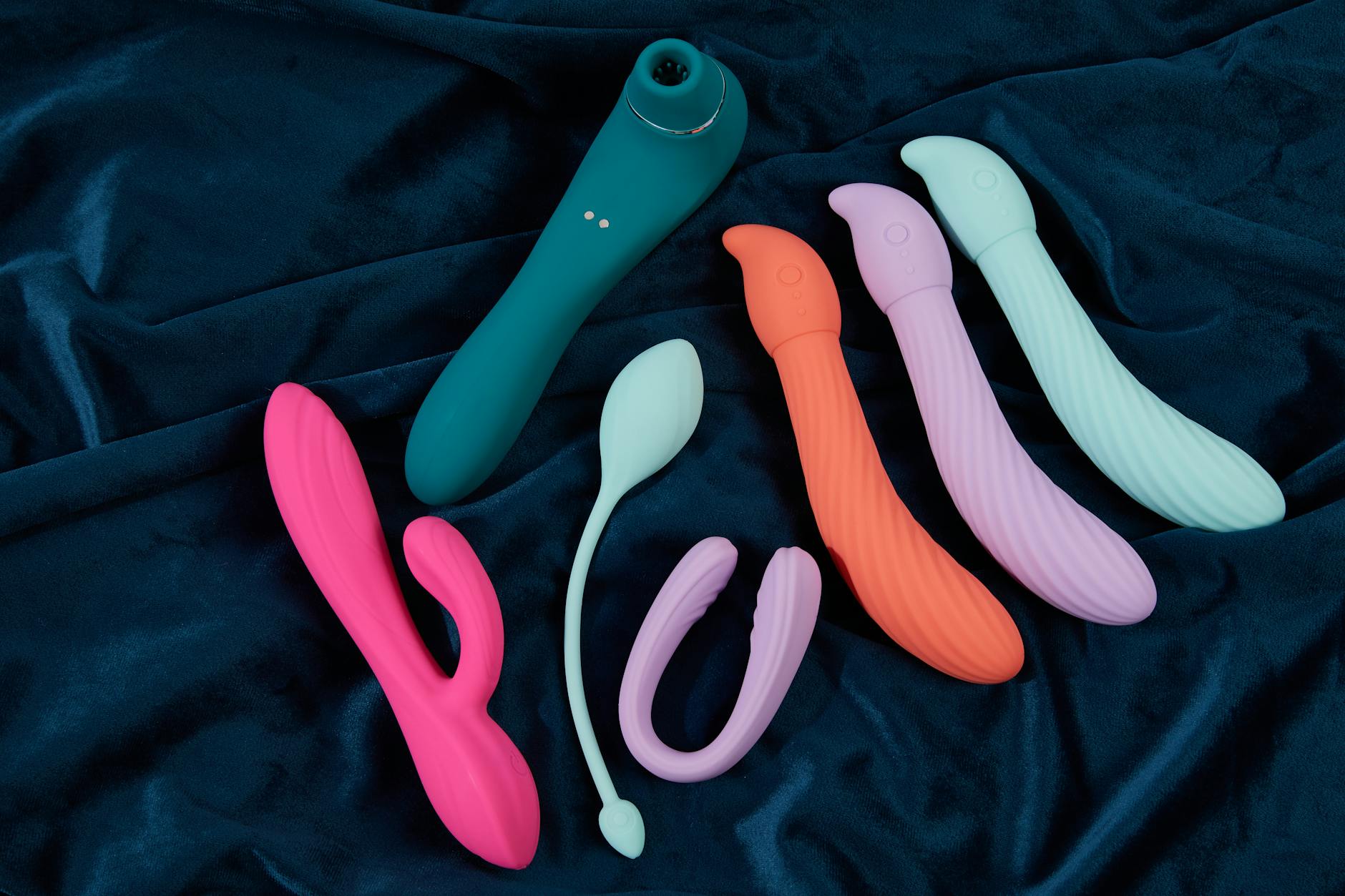
Why your lemon vibrator suddenly feels different
Let's be real. You've been using your lemon clitoral vibrator for months or years. You know exactly how it feels. Then something shifts. The intensity seems softer. The sensation feels different. Maybe you need longer to build toward orgasm. Maybe the patterns that used to work leave you cold.
Your first instinct is usually to blame the toy. But the toy isn't the problem. Your body is changing, and that's not bad news—it's just information you need to navigate.
Menopause rewires sensation. Not in a tragic way, but in a real, physiological way that shows up the moment you switch on your lemon vibrator.
What hormonal shifts actually do to sensation
Estrogen and testosterone aren't just about mood or body temperature. They're architects of sensation. When they drop, the physical landscape of pleasure changes.
Here's the mechanism. Estrogen maintains the thickness and elasticity of vulvar tissue. It also regulates blood flow to the clitoris and the surrounding nerve endings that make sensation possible. When estrogen declines, tissue thins slightly, and blood flow becomes less robust. That means the clitoris receives less engorgement during arousal—which translates to a slower buildup and sometimes a duller initial sensation.
Testosterone, which people with ovaries produce in smaller amounts but still significantly, also drops during the transition to menopause. Testosterone is a major driver of desire and also sharpens nerve sensitivity. Its decline can make the clitoris feel less responsive to light touch.
The pelvic floor muscles, which rely on estrogen for tone and elasticity, also weaken. This affects how orgasms feel—sometimes they're more subtle, sometimes more localized. For some people, this means less explosive sensation. For others, it creates a more concentrated, almost deeper feeling.
None of this means you've lost the ability to feel pleasure. The neural pathways are intact. The clitoral nerve density doesn't change. Your brain's capacity for sensation and orgasm is still there.
Why a lemon vibrator might feel less intense
If you've noticed that your lem vibrator doesn't hit the same way it used to, this is the likely culprit. Traditional bullet vibrators rely on direct vibration against tissue. When tissue is thinner and blood flow is reduced, that vibration might not create the same percussive intensity. It's not the toy failing—it's your body needing a different approach.
This is where the design of lemon sexual toys actually matters. Clitoral suction vibrators like the Lemon work through gentle suction rather than aggressive buzzing. They draw tissue into a chamber and then pulse, which doesn't require the same baseline tissue thickness or blood engorgement to feel effective. Many people find that lemon clitoral vibrators feel more consistent during menopause because suction adapts better to tissue changes.
That said, even suction-based lemon adult toys might feel softer if you're in early menopause and your body is still adjusting. The difference is that you have more room to adapt your technique without replacing the toy entirely.
Warm-up time is not optional
Before menopause, you might have gone from zero to orgasm in five minutes. That's possible because faster blood flow and higher hormone levels mean faster arousal. After menopause, your body is operating with different chemistry.
Warm-up time becomes crucial. I recommend budgeting 15 to 25 minutes before you even turn on your lemon vibrator. This isn't a loss—it's actually an invitation to build more awareness of what feels good.
Start with touch. Use your fingers, a partner's touch, or a soft toy without vibration. Let your body gradually engorge. Notice where sensation lives. The clitoris takes time to fill with blood now, and that process is where early pleasure lives. Rush past it, and you might skip right over the activation phase your body needs.
Once you switch on your lem vibrator, start at the lowest setting. Many people find that pattern one or two on a lemon clitoral vibrator works better than jumping to intensity five. Your tissue will gradually respond, and you'll likely feel a stronger orgasm from a gentler buildup than you would from immediate maximum intensity.
Lubrication changes everything
During menopause, vaginal dryness is real. Estrogen reduction means reduced natural lubrication. This affects both penetrative sex and clitoral stimulation, even though people often assume dryness only matters for penetration.
Dryness changes how a lemon sucker feels. Without adequate lubrication, the suction can feel slightly uncomfortable or even irritating rather than pleasurable. This is not a sign of dysfunction. It's a sign that you need to add external lubrication.
Use a water-based lube. Apply it generously to your vulva before you start your warm-up, and reapply if things feel dry during stimulation. The lube doesn't just reduce friction—it also helps the suction mechanism of your lemon clitoral vibrator work more smoothly against the tissue.
This is one of the highest-impact changes you can make. Many people think they've lost sensation, when really they just need lube. Try it for three sessions before you decide your lemon vibrator isn't working anymore.
Pelvic floor tension gets in the way
Menopause often brings pelvic floor tension. This might seem counterintuitive—estrogen drops, muscles weaken, so shouldn't they be loose? The opposite often happens. Many people develop tension and holding patterns in the pelvic floor during this transition, partly because of muscle weakness and instability, partly because of anxiety about the changes happening in their body.
Pelvic floor tension blocks sensation. When you're clenched, the nerves in the clitoris and vulva can't fully relax and respond. This makes even a lemon clitoral vibrator feel muted or frustrating.
Before you use your toy, spend two minutes consciously relaxing your pelvic floor. Lie down, take slow breaths, and imagine the muscles underneath you softening and spreading. Some people find it helpful to do a few reverse Kegels—contracting and then fully releasing—to find the baseline of relaxation.
If pelvic floor tension is severe, a pelvic floor physical therapist can help. This is worth a few sessions during menopause. The ability to relax these muscles dramatically improves how toys feel and how pleasure registers.
When to seek additional support
If pain appears during stimulation, don't wait. Genitourinary syndrome of menopause is treatable. A menopause-informed gynecologist or GP can prescribe topical estrogen creams that rebuild tissue locally, often with minimal systemic absorption. Improvement usually happens within weeks.
If desire has completely flatlined and isn't responding to physical adjustments, consider talking to a doctor about testosterone therapy. It's not universally prescribed, but it's available and life-changing for some people during this transition.
If the changes feel emotionally loaded—if menopause is bringing up grief or identity shifts around sexuality—that's also worth exploring with a therapist. The physical changes are one piece. The psychological adjustment is another.
Your lemon vibrator is still your friend
Here's what I know after working with hundreds of people navigating this transition. The toy isn't the problem. Your body is changing, and that requires adjustment, not replacement.
Most people find that once they understand what's happening—once they add warm-up time, use lubricant, address pelvic floor tension, and start at lower intensity—their lemon vibrator feels good again. Sometimes it feels different, but different doesn't mean worse. Many people report that the slower buildup actually creates more satisfying orgasms than the quick hits they experienced before.
Menopause is not the end of pleasure. It's a recalibration.
FAQ: Your questions about menopause and lemon vibrators
Does menopause permanently change how clitoral vibrators feel?
No. The changes are real during the transition, but they stabilize. In the years after menopause, once your body adjusts to lower hormone levels, sensation often becomes consistent again. Some people find they need ongoing lubrication or slightly longer warm-up time, but the acute sensitivity shifts usually settle within one to two years. Your lemon clitoral vibrator doesn't become permanently ineffective—your body just needs new parameters.
Can I use my lemon vibrator during perimenopause?
Absolutely. In fact, many people use toys more during this phase because hormonal fluctuations can create unpredictable sensation. One week your lemon sucker feels amazing, the next week it feels muted. This is normal. Keep your toy, adjust your approach based on how you feel that day, and don't assume changes are permanent. As you move further into menopause, sensation usually becomes more consistent again.
Why does my lemon clitoral vibrator feel intense after orgasm now?
After orgasm, the clitoris becomes hypersensitive. During menopause, tissue is already more delicate, so this hypersensitivity can feel almost sharp or uncomfortable rather than pleasurable. This is completely normal. Turn off your vibrator immediately after orgasm, or if you want continued stimulation, use your fingers on a lower part of the vulva instead. Your body isn't broken—it just needs gentler touch in that post-orgasm window.
Should I switch to a different toy during menopause?
Not necessarily. If you loved your lemon vibrator before, give it a real chance with the adjustments outlined here: warm-up time, lubrication, lower intensity, and pelvic floor awareness. Most people find these changes are enough. That said, if you're curious about trying something new, suction-based lemon sexual toys often work more reliably during menopause than traditional vibrators because they don't rely as heavily on tissue thickness or blood engorgement.
Is it normal for sensation to fluctuate during perimenopause?
Completely normal. Perimenopause is hormonal chaos—some days estrogen is relatively high, other days it crashes. Your sensitivity will fluctuate accordingly. One day your lemon clitoral vibrator feels perfect. Three days later it feels muted. This isn't your toy breaking down or your body failing. It's just the natural swing of hormone levels during transition. Keep a simple note of when sensation feels different and see if it correlates with your cycle or other symptoms. This data helps you predict and adapt.
Can hormone therapy change how vibrators feel?
Yes. If you're on hormone replacement therapy, sensation often becomes more consistent because hormone levels stabilize. Some people find their lemon vibrator feels closer to pre-menopause sensation after starting HRT. Others find that even on HRT, they still prefer the slower warm-up and lubrication approach. Everyone's body responds differently. If you start HRT, give yourself a few weeks to notice how sensation shifts before making decisions about your toys.
You're not losing pleasure, you're just navigating change
Menopause changes how sensation works. It doesn't end it. The confusion usually comes from expecting your body to feel the same way at 52 as it did at 42, then interpreting the difference as loss instead of evolution.
Your lemon vibrator is still capable of creating intense, satisfying orgasms. Your body is still capable of feeling them. The bridge between the two just requires a slightly different approach. Longer warm-up, lubricant, awareness of pelvic floor tension, and willingness to start lower and build—these aren't compromises. They're actually invitations to understand your pleasure more deeply.
If you're navigating this shift and feeling frustrated or uncertain, that's worth talking through. Whether it's with a therapist, a menopause-informed doctor, or a trusted partner, you don't have to figure this out alone. Your pleasure matters at every stage of life.