Here's what's actually happening
You just had an orgasm. It was good. Maybe it was really good. And now you're suddenly extremely aware that your clitoris has become a live nerve ending. The same lemon vibrator that felt amazing two minutes ago now feels almost painful to touch.
This isn't a malfunction. Your body isn't broken. What's happening is pure physiology, and once you understand it, you can work with it instead of against it.
The refractory period is real
After orgasm, your clitoris enters what's called a refractory period. This isn't unique to people with vulvas. Everyone experiences it, though the length and intensity vary wildly. For some, it's thirty seconds. For others, it's five minutes or longer.
During this window, the clitoral glans swells with blood and becomes hypersensitive. The thousands of nerve endings that just fired are in a state of neural rest. Stimulation that felt perfect moments before now registers as too much, too raw, sometimes borderline painful.
This is actually protective. Your nervous system is saying: give me a break. Your clitoris isn't rejecting pleasure. It's asking for recovery time.
Why lemon vibrators feel overwhelming in recovery
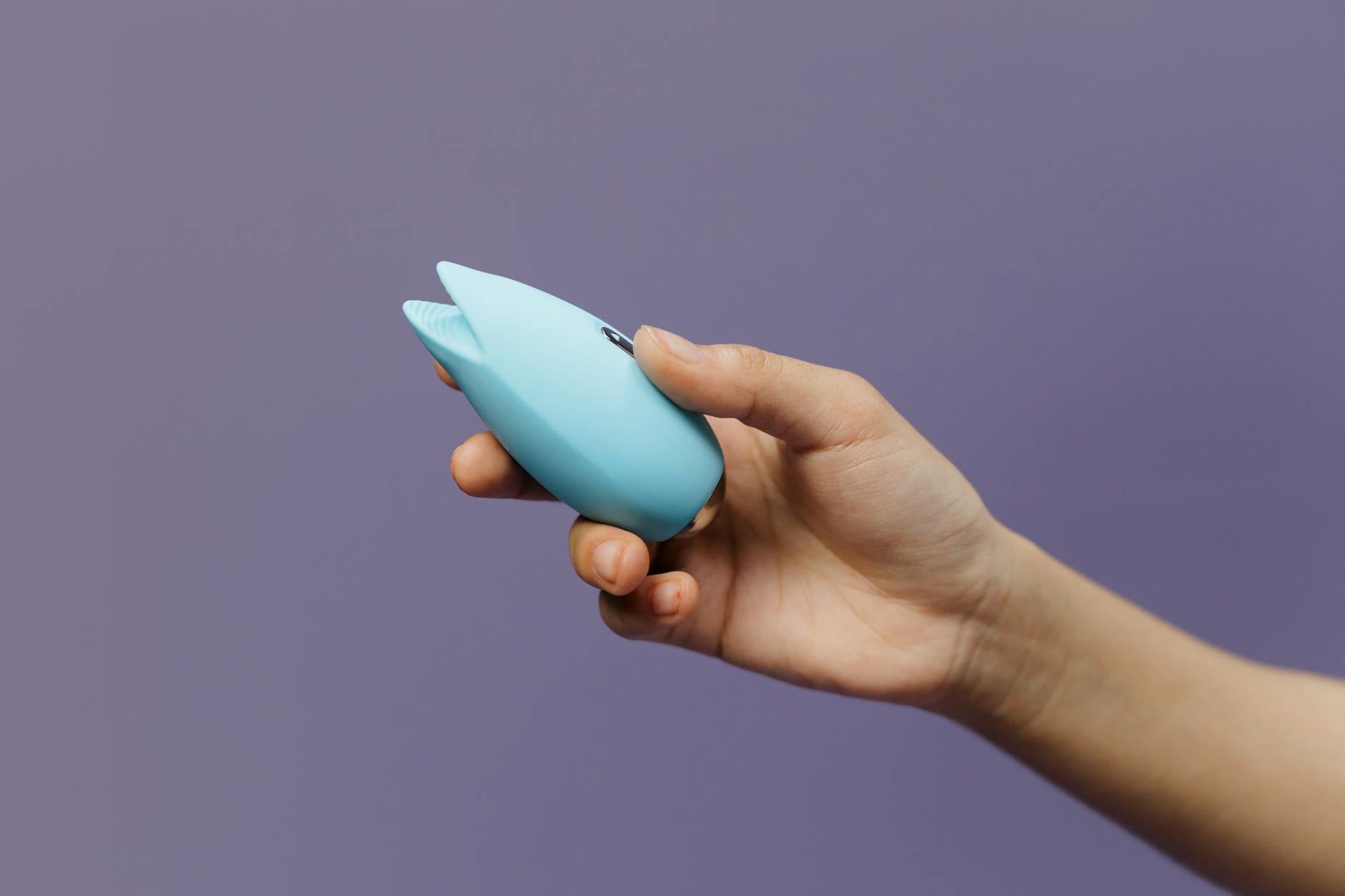
The Lem and other air-suction clitoral vibrators work differently than traditional bullet vibrators or wand vibrators. They use rhythmic suction patterns that create intense stimulation by drawing tissue into the cup and releasing it in precise sequences. It's extremely effective during arousal and climax because that concentrated pressure triggers deep nerve activation.
But post-orgasm, that same suction feels invasive. Your clitoris is already flooded with sensation. Adding more input feels like turning up a volume that's already at maximum.
With a traditional vibrator, you can at least reduce the speed or change the pattern. A lemon vibrator's patterns are designed to build toward climax, not to soothe afterward. Even on the lowest setting, many people find the suction too intense during the recovery window.
The sensitivity curve: what changes minute by minute
Minute one post-orgasm: Your clitoris feels almost painfully sensitive. Direct stimulation, especially suction, is too much. This is the peak hypersensitivity window.
Minute two to three: Some sensation returns as pleasurable, but intensity still needs to be low. If you want continued stimulation, this is when gentler input becomes possible. A light touch, low-speed vibration, or very gentle suction might feel okay.
Minute four to five: Most people reach a point where either they're done (which is totally valid), or they can engage with stimulation again at a medium intensity. Some people go directly into another arousal cycle here. Others need fifteen minutes or more before they're interested again.
The variation is enormous. Stress, hydration, hormonal cycle phase, how intense the orgasm was. all affect recovery time. There's no "normal" here. Your recovery is your recovery.
What to do during the refractory window
If you're partnered, this is crucial information to share. Your partner isn't reading your mind. They don't know that touch that felt incredible during sex now feels too much. "Give me a minute" is clearer than silence or moving away.
What actually helps during recovery:
Remove the lemon vibrator entirely for the first minute or two. This sounds obvious, but people often keep it in place because they're unsure if they want to stop. You don't. Your body is signaling a break.
If you want continued contact, switch to something gentler. A partner's hand holding your clitoris without movement. A soft touch to your thighs or stomach. Penetration, if that's what you want, which many people find soothing post-orgasm because it's less direct stimulation to the clitoris.
Wait before round two. If you want another orgasm in the same session, waiting through the hypersensitivity window and rebuilding arousal usually feels better than trying to power through sensitivity. You'll climax more easily and intensely if you let your clitoris rest first.
The pleasure advantage: extended sessions
Understanding recovery sensitivity actually opens up longer, deeper sessions. Instead of one intense orgasm and done, you can plan for multiple climaxes with built-in recovery.
First orgasm with your lemon clitoral vibrator: use your favorite pattern, go for it.
Recovery window (2-5 minutes): remove the vibrator, breathe, rest. If you're with a partner, this is kiss and cuddle time. This is intimacy time that has nothing to do with stimulation.
Second arousal phase: your clitoris has recovered. Reintroduce stimulation slowly. Start on pattern one, lower intensity. Your body might surprise you with how quickly arousal builds the second time.
Second orgasm: often more intense than the first because you're already more aroused and more open.
Many people report that their best orgasms in a session come after the first one, once recovery has happened and arousal builds again. The first one primes the pump. The second or third one, you're already dialed in.
When post-orgasm sensitivity means something else
Hypersensitivity during recovery is normal. Pain that lingers for hours after is not. If you're experiencing prolonged tenderness, genital pain, or sharp discomfort beyond the first five minutes post-orgasm, that's worth checking with a gynecologist or sex therapist. Sometimes it's a sign of pelvic floor tension, sometimes it's friction irritation, sometimes it's something else entirely that deserves proper assessment.
This is especially important if the pain is new. Your body changed. It's worth understanding why.
The mental side: permission to rest
Orgasm is the goal, right? So why does it feel so counterintuitive to stop stimulation right after? Because our culture has taught us that pleasure should be constant, stacked, more more more. But your nervous system works in cycles.
Giving your clitoris recovery time isn't settling. It's respecting your body's actual design. Rest is part of pleasure. The pause between notes is what makes music. The space between touching is what makes connection.
If you're using a lemon vibrator solo, this is freedom. You climax, you stop, you breathe. No one's waiting for anything. You get to experience orgasm on your terms, followed by genuine rest.
If you're with a partner, this recovery window is an opportunity to slow down, reconnect, talk. Some of the best sex doesn't include any stimulation at all. Some of it is just presence.
The realities of extended pleasure
Not everyone wants multiple orgasms in one session. Some people climax once and are completely done. That's not less. That's your baseline. Honor it.
Some people find that after recovery, they're not interested in more stimulation. The pleasure window has closed. That's also normal. Your body doesn't owe anyone a second act.
And some people find that they can have orgasm after orgasm with minimal recovery time. The hypersensitivity window is short for them. If that's you, great. You're not doing anything wrong. Your nervous system just has a faster recovery.
The point is: understand your own pattern. Notice it across different situations. Stress, hydration, hormones, time of day, how long foreplay was, whether you're alone or partnered. all of these shift your recovery window.
Knowing your own body's rhythm is the foundation of pleasure. A lemon vibrator is an amazing tool for that. But the tool is only half the equation. The other half is you understanding what you actually need, when, and having the permission to ask for it.
Quick adjustment guide for lemon vibrators post-orgasm
If you want to use your lemon clitoral vibrator during extended sessions, here's what works for most people:
During arousal and climax: use your preferred patterns at higher intensities. Go for it.
Immediately post-orgasm (first minute): stop. Remove the vibrator. No continued stimulation.
Recovery phase (minutes two to three): if you want touch, switch to something gentler. Hands, fingers, a soft toy. Not the Lem.
Second arousal phase (minute four onward): reintroduce the lemon vibrator, but start on pattern one or two, lower intensity. Let sensation build rather than jumping back to what worked before.
Your clitoris will tell you when it's ready. Listen to that signal. It's accurate.
FAQ: Post-Orgasm Sensitivity and Lemon Vibrators
Why does my clitoris hurt after orgasm even without continued stimulation?
Your clitoris has thousands of nerve endings. After orgasm, those nerves have just fired intensely. The tissue is engorged with blood and swollen. Even light air or fabric contact can feel raw. This usually passes within five to ten minutes. If it persists longer or feels sharp rather than just sensitive, check in with a gynecologist to rule out pelvic floor tension or inflammation.
Can I use lemon vibrators for multiple orgasms back-to-back?
Yes, but most people find that building in recovery time between climaxes feels better. You can absolutely have two or three orgasms in one session using a lemon clitoral vibrator. Just let your body recover for a few minutes between them. Start the next arousal phase at a lower intensity, then increase. This often leads to more intense orgasms overall because you're giving your nervous system time to reset.
Is the hypersensitivity after orgasm the same for everyone?
No. Some people's refractory periods last thirty seconds. Others need five minutes or longer. Hormones, stress levels, how intense the orgasm was, and your individual neurology all affect recovery time. Track your own pattern rather than comparing to anyone else's.
Does it matter if I'm using lemon vibrators solo versus with a partner?
Yes. With a partner, recovery time is an opportunity to shift gears. Kiss, cuddle, talk. Many people find that the pause actually deepens intimacy because it's not just production. Solo, recovery is just rest. Both are valid. Just communicate with a partner about what you need during that window.
Will my lemon vibrator feel intense again if I wait long enough?
Absolutely. Your clitoris's sensitivity returns as arousal builds again. By the time you're ready for round two, the sensitivity that felt overwhelming has usually transformed back into something pleasurable. This is why waiting through the recovery period actually leads to better extended sessions.
Is there a way to speed up my recovery time between orgasms?
Not really, and you probably don't want to. Your recovery period is your nervous system asking for rest. Pushing through it doesn't lead to better pleasure. It leads to fatigue and potential irritation. Work with your natural rhythm, not against it. If you want multiple orgasms, patience is the tool. Hydration and stress reduction help, but your baseline recovery time is pretty fixed for you.
The bottom line
Your clitoris isn't rejecting the lemon vibrator during recovery. It's asking for a break. That break is built into your pleasure cycle. Understanding it, respecting it, and building sessions around it actually leads to better, longer, more satisfying pleasure overall. Your body knows what it needs. Your job is just to listen.
For more on lemon vibrators and how different factors affect sensation, check out our guides on why lemon vibrators need longer warm-up time and how lemon vibrators affect sensation during hormonal shifts.