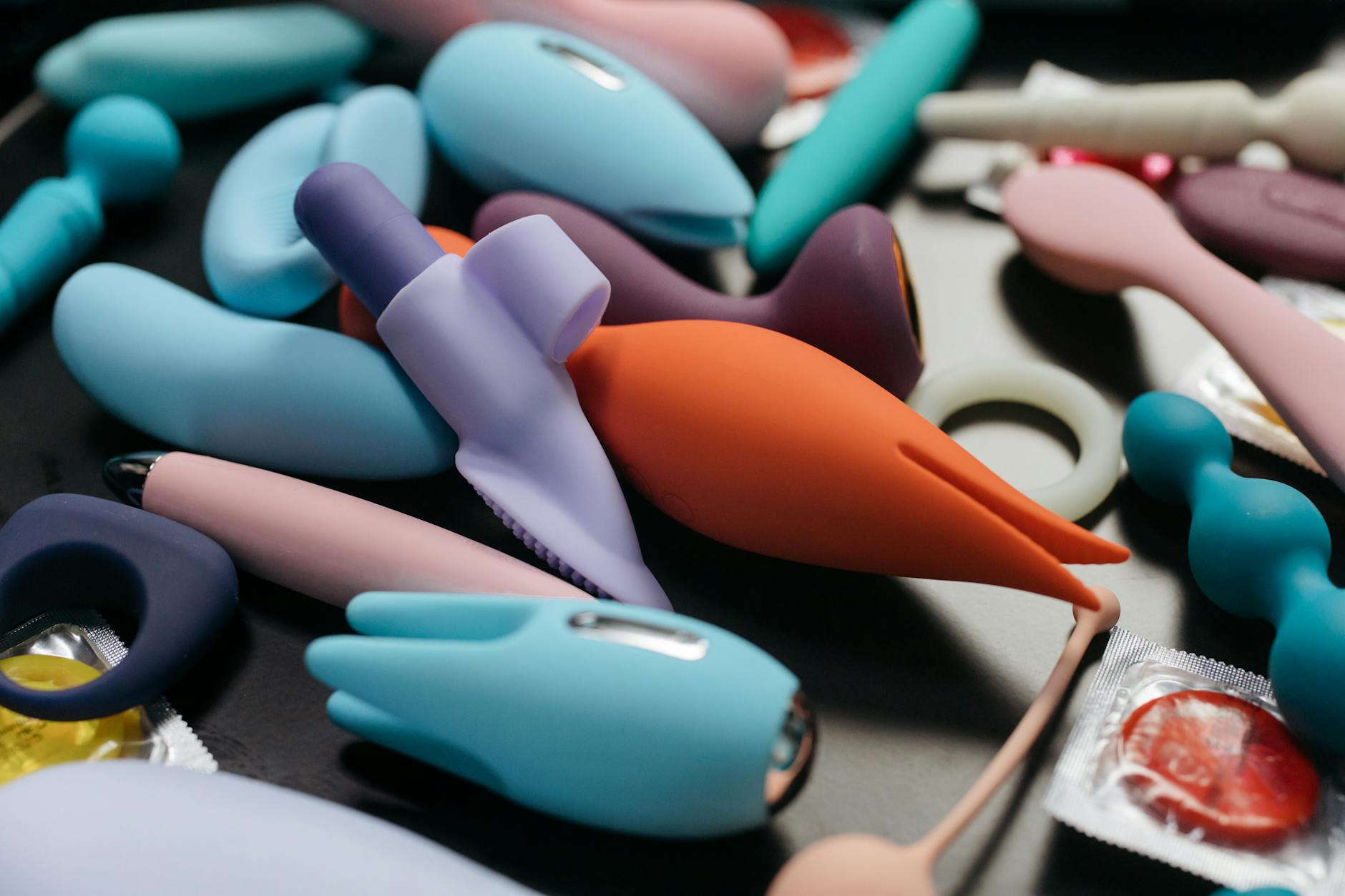
Suction is not vibration. Your nervous system needs to figure that out.
Here's the thing nobody tells you when you buy your first lemon vibrator. If you've used traditional vibrators before, your body has been trained to expect a certain type of stimulation: rapid back-and-forth movement that creates friction. Lemon vibrators work completely differently. Instead of vibration, they use gentle suction combined with pulsing patterns. It's not better or worse than vibration. It's just categorically different. And your nervous system needs time to process that.
When you first try a lemon clitoral vibrator, your body might feel confused, underwhelmed, or even overstimulated depending on the intensity setting. Neither response means the toy is defective or that you're the wrong fit for it. What it means is that you're introducing a new sensation to an area of your body that has learned to expect something else.
Why the learning curve exists
Your clitoris contains around 8,000 nerve endings concentrated in a space smaller than a pea. Those nerves have become attuned to specific types of input through previous experience. If you've spent months or years using bullet vibrators, wand vibrators, or any other tool, the neural pathways responsible for pleasure have been mapped to respond to vibration. When you switch to suction, you're asking your nervous system to rewire that map.
Think of it like changing your morning coffee order. Your body has learned to expect caffeine in one form. When you switch from espresso to cold brew, it's the same drug but delivered through a different mechanism. Your taste buds need a few cups to adjust. Your clitoris works the same way.
The suction sensation is also fundamentally gentler than vibration in some ways and more intense in others. A lemon vibrator doesn't buzz. It creates a rhythmic pulling sensation that draws blood into the tissue, which builds arousal more gradually. That slower build feels foreign if you're used to the immediate intensity of a bullet vibrator hitting the same spot repeatedly.
The first session rarely tells you the truth
I always tell clients that your first experience with a new lemon sexual toy is more about data collection than pleasure. You're gathering information about how your body responds, what intensity level feels right, and how the sensation compares to what you already know. You're not supposed to have the best orgasm of your life on attempt one.
Most people need between three and seven sessions before they stop evaluating the toy intellectually and can actually relax into the sensation. That's not a flaw in the toy. That's how your brain works. Your prefrontal cortex is too busy analyzing to let your limbic system (the part that handles pleasure) take over.
If your first try felt like nothing, that's actually a good sign. It means the suction isn't painful, and you're not in a state of nervous system alarm. You just need to try again with lower expectations and more patience.
How to shorten the adjustment period
Start on the lowest setting. I know it's tempting to go straight to the middle or high intensity to see what you're dealing with, but that's like trying to learn a new language by jumping into a Shakespeare monologue. The lowest pattern on a lemon clitoral vibrator is still potent. Give your body a chance to map what that feels like before you crank it up.
Use it during arousal, not as a standalone tool. If you're using your Hello Nancy lemon vibrator on cold tissue with no mental arousal backing it up, your body isn't going to light up. Spend five to ten minutes on regular foreplay, mental stimulation, or whatever gets you interested first. Then introduce the toy. The difference is dramatic.
Spend longer on each session than you expect to. If you normally have a fifteen-minute masturbation routine, budget twenty to thirty minutes with a new lemon adult toy. The extra time isn't wasted. You're teaching your body what to expect and allowing arousal to build in a way that's compatible with suction.
Don't compare it to your favorite toy. This is where people sabotage themselves. You have a beloved vibrator that you've used a hundred times, and your body knows exactly how to respond to it. A new toy, especially one that works through a different mechanism, isn't going to feel the same. Accept that going in and you'll stop marking every difference as a minus.
The pattern learning curve is separate from the sensation curve
Lemon vibrators have multiple patterns beyond just straight suction. Some pulse, some build and release, some oscillate. Each pattern feels different. If you try pattern three and it doesn't work for you, don't assume the entire toy is wrong. Try pattern one. Try pattern five. What feels bad in pattern three might feel incredible in pattern six.
I usually recommend spending at least two sessions exploring just the first three patterns before you branch out to the more complex ones. You want your nervous system to have a baseline understanding of how suction feels at different rhythms.
What shifts once your body adjusts
Once you've used a lemon clitoral vibrator five or six times, something usually clicks. The sensation stops feeling novel and starts feeling good. Your orgasms often become deeper, more full-body, and longer-lasting than what you get from vibration alone. The reason is that suction doesn't just stimulate the external clitoris. It gently draws the internal clitoral body closer to the surface, which engages a broader network of nerve endings.
Many of my clients report that the best part of adjusting to a lemon vibrator is that the sensation feels more sustainable. You can use it for longer without your clitoris getting that numb, overstimulated feeling that sometimes happens with high-intensity vibrators. That longevity changes what's possible.
When adjustment isn't happening
If after eight or nine sessions a lemon vibrator still feels completely wrong, that's real information too. Not every body works the same way. Some people are profoundly tactile and need direct friction. Some people's nervous systems are wired to respond better to vibration than suction. There's no shame in that.
But before you conclude that, make sure you've actually tested the variables. Different intensity, different patterns, different contexts (alone versus with a partner, morning versus evening, deeply aroused versus casually interested). You'd be surprised how much context changes the experience.
The bigger picture
Adjustment periods exist for everything new. Your first bike ride was wobbly. Your first meditation felt pointless. Your first time with a partner probably didn't blow your mind (though if it did, you've got a story). That's not a reflection of the activity or the tool. That's just what learning feels like.
Lemon vibrators, including the lem vibrator and other Hello Nancy toys, work differently than what most people have experienced. That difference is actually what makes them worth learning. But learning takes a few tries. Your nervous system will catch up. Your body will adjust. And once it does, you'll understand why so many people prefer clitoral vibrators built on suction over traditional alternatives.
Give yourself grace during that adjustment phase. You're not evaluating whether you like the toy. You're learning how your body talks to it.