
If you've had skin reactions to toys before, this is for you
Let's be real: if your skin has ever reacted badly to a vibrator, you weren't being too sensitive. You were using the wrong material. Cheap toys made from jelly compounds, PVC, or low-grade rubber shed chemicals that literally irritate tissue. Your body was doing exactly what it should have been doing: protecting itself.
The good news? Switching to body-safe silicone, like what goes into every lemon vibrator, changes everything.
What actually happens when a vibrator irritates your skin
Your vulva has some of the thinnest, most permeable skin on your body. That's why it feels so good, but it also means it's vulnerable. When you use a toy made from toxic plastics or mystery rubber compounds, phthalates and other chemical softeners can leach directly into those delicate tissues.
The irritation you feel isn't an allergy (usually). It's a chemical irritant reaction. Your skin gets red, itchy, sometimes develops a rash. You might assume you're just sensitive. Nope. The toy was toxic.
This matters because sensitivity is individual. Your body might tolerate something for years until suddenly it doesn't. Hormonal shifts, antibiotic use, even the pH of your lube can shift what your body will accept. The safest move isn't to test your tolerance. It's to use materials that don't need testing at all.
Why medical-grade silicone is non-negotiable
Here's the thing about silicone: not all silicone is created equal. Budget brands call their material "silicone" when it's actually silicone mixed with filler compounds, oils, and softeners. That's worse than admitting what they're using.
Medical-grade silicone, which is what lemon vibrators use, is different. It's::
Non-porous. Bacteria and mold can't hide in tiny crevices like they can in jelly toys. You can actually clean it properly.
Non-reactive. It doesn't leach chemicals into your body, no matter how warm it gets or how long you use it. It's literally used in breast implants and surgical applications.
Hypoallergenic. If you have a silicone allergy (rare), you'll know it within minutes of first use. But true silicone allergies are vanishingly uncommon compared to reactions to toxic plastics.
Durable. Medical-grade silicone stays firm and supportive instead of degrading, becoming sticky, or flaking. A quality toy lasts years, not months.
When you buy a lemon sexual toy, you're paying for that consistency. The material itself is inert. There's nothing to outgas or degrade or surprise you three months in.
The materials you should actually avoid
If you've had bad reactions before, these are your main culprits:
Jelly rubber. Soft, feels vaguely realistic, and absolutely riddled with phthalates. Avoid it entirely. If a toy smells plasticky or feels oily on your skin, jelly is probably in there.
PVC and vinyl. These are plastics with softeners designed to make them flexible. The softeners degrade over time. Don't buy anything labeled "PVC" or with that plasticky smell.
TPR and TPE. These thermoplastic rubbers are marketed as alternatives to jelly. They're marginally safer but still often contain phthalates. Not worth the risk.
Cyberskin and materials trying to be realistic. If a toy is trying to feel like skin, it usually contains sketchy softeners. Pass.
Anything labeled just "rubber" with no further specification. Mystery compounds = mystery reactions.
The safe zone is silicone, glass, stainless steel, and ceramics. Some people add wood (sealed wood toys are fine), but for daily use, medical-grade silicone is the gold standard.
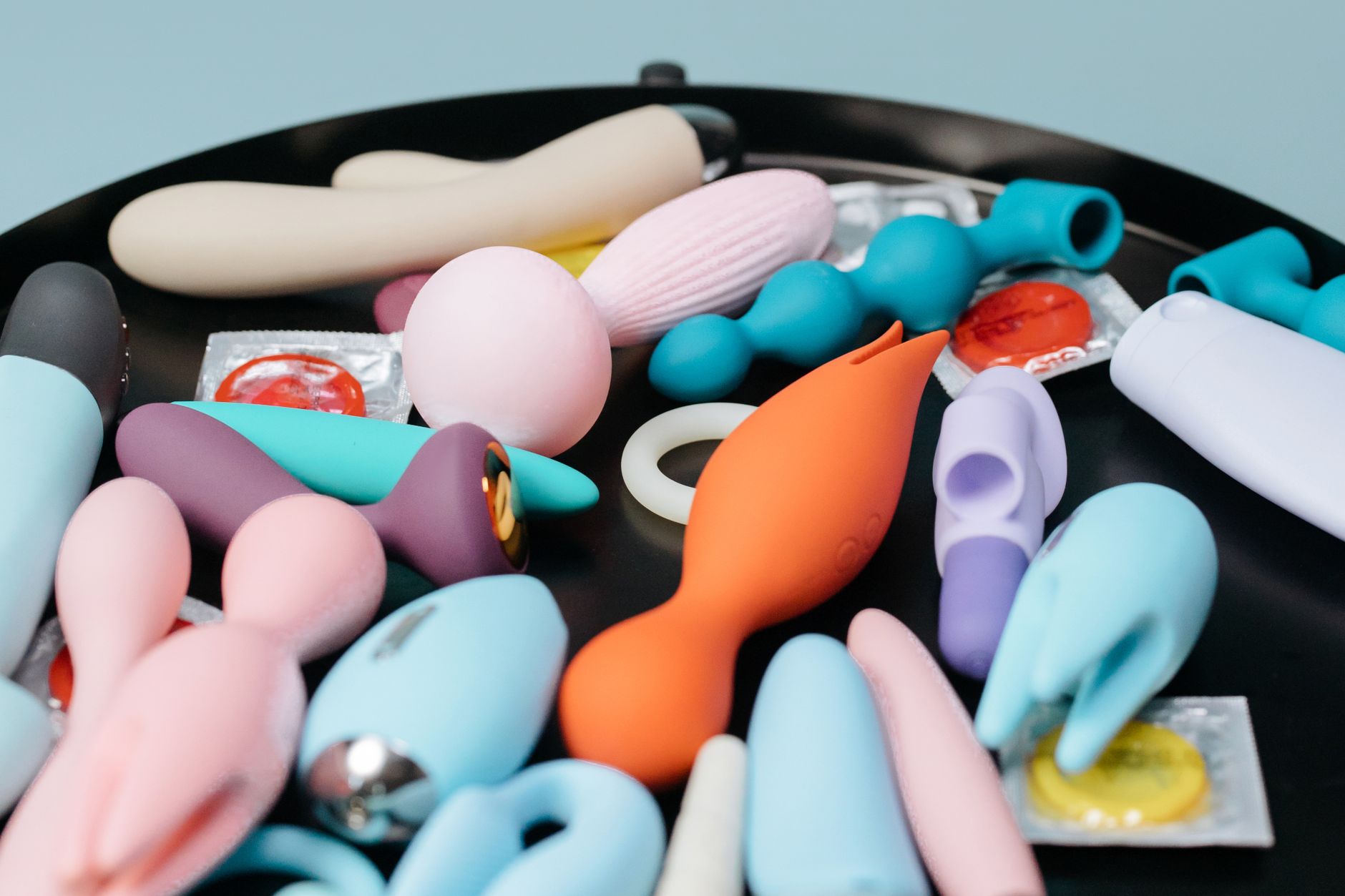
Photo by cottonbro studio on Pexels
How lemon clitoral vibrators minimize irritation even further
Beyond just using silicone, there are design choices that matter for sensitive skin. Lemon vibrators include several:
Smooth, seamless construction. Manufacturing seams or rough edges can harbor bacteria and create micro-abrasions. Better lemon toys are made in a single pour, no seams.
Curved rather than angled design. Gentler pressure distribution means less localized irritation. The shape was engineered specifically for external stimulation without roughness.
Consistent surface texture. No bumps, ridges, or materials embedded in the silicone that might catch or irritate. What you see is what you get.
Closed electronics compartment. The battery and motor are sealed off completely. Water can't get in, and silicone is the only thing touching your skin.
These aren't luxuries. They're the difference between a vibrator that feels good for 15 minutes and one that feels good indefinitely without reactions.
How to care for silicone toys if you have sensitive skin
Having the right material is half the battle. The other half is keeping it clean. Here's the routine:
Before first use. Wash with warm water and mild, fragrance-free soap. Some people boil them (silicone handles it fine), but soap and water is enough.
After every use. Wash immediately with soap and water or toy cleaner. Don't let anything dry on it. Sweat, lube residue, and natural secretions can build up and cause irritation if left to sit.
Storage. Keep it in a clean, breathable pouch or drawer away from other materials. Don't store it touching rubber or plastic, since some of those materials can leach onto your silicone.
Lube choice matters. With silicone toys, use water-based or oil-based lube. Never silicone-based lube, which can degrade the toy surface. If you have really sensitive skin, fragrance-free, hypoallergenic lubes reduce irritation risk further.
Check regularly. If your silicone toy ever develops a sticky feeling, discoloration, or smell, it's degraded. Toss it. (This is rare with quality toys, but worth monitoring.)
If you're prone to yeast infections or bacterial vaginosis, extra cleaning is worth it. Clean your toy before every use, not just after. It's one fewer variable your body has to navigate.
When it's not the toy, it's something else
Sometimes you can have a perfect lemon vibrator and still get irritation. That usually points elsewhere:
Lube ingredients. Glycerin, parabens, and essential oils can cause reactions in sensitive people. Patch test new lubes on your arm first. Simple water-based lubes with minimal ingredients are safest.
Pelvic floor tension. Tight pelvic floor muscles can create friction and discomfort even with the gentlest toy. That's not an irritation issue. It's a tension issue. Pelvic floor physical therapy or relaxation work helps.
Hormonal shifts. Your tolerance changes with your cycle. What feels fine during one week might irritate during another. This is normal, not a toy problem.
Condoms on the toy. Latex condoms can irritate sensitive people. If you're using a toy with a partner and want barrier protection, use a non-latex condom or a polyurethane one, or skip the toy-sharing for the moment.
Insufficient warm-up. Cold silicone or rushing into intensity before you're fully aroused creates friction and irritation. Take your time. The warm-up matters as much as the toy.
If irritation persists even with silicone, fragrance-free lube, and good technique, see a gynaecologist. You might have a skin condition, infection, or pelvic floor issue that needs addressing separately.
The long-term skin payoff
Using body-safe lemon sexual toys is about more than avoiding bad reactions. Over time, switching from cheap materials to medical-grade silicone actually supports skin health. You're not exposing yourself to chemicals that accumulate in tissue. Your skin doesn't develop the chronic irritation that comes from repeated exposure to irritants.
Many people find that after a few months of using only safe materials, their baseline sensitivity decreases. Their skin becomes more resilient, not less. That's because the irritation isn't coming from the sensitivity itself. It's coming from the toys.
Once you feel the difference between a lem vibrator and whatever you used before, going back isn't an option. Your skin knows the difference.
People also ask
Can you be allergic to silicone toys? True silicone allergies are extremely rare, but they do exist. If you're allergic, you'll notice a reaction (redness, itching, rash) within minutes to hours of first contact. If you've used silicone before without problems, you're almost certainly not allergic. Reactions you've had to other toys were likely from other materials mixed in or from the toy's porous surface harboring irritants.
Is 100% silicone better than blended silicone? Yes. 100% medical-grade silicone is what you want. If packaging says "silicone blend" or uses vague language, it's probably mixed with cheaper softeners. A quality lemon clitoral vibrator will clearly state it's medical-grade, body-safe silicone.
Can silicone toys cause yeast infections? Not if cleaned properly. Yeast infections come from bacteria or fungal overgrowth. Since silicone is non-porous and easy to clean thoroughly, it's actually lower-risk than porous materials. That said, don't share toys without cleaning between uses, and if you're prone to infections, clean before every use.
What's the difference between lemon vibrators and other lemon sexual toys? The Lem specifically is an air-suction clitoral vibrator, not a traditional vibrator. All Hello Nancy products use the same medical-grade silicone, but the Lem's suction design creates a different sensation than vibration alone. If you have sensitive skin, both are safe, but suction can feel gentler than direct vibration for some people.
Do I need special cleaner for my silicone vibrator, or is soap enough? Fragrance-free, mild soap and water is perfectly fine. You don't need specialized toy cleaner, though it doesn't hurt if you prefer it. Avoid antibacterial soaps, which can be harsh. Hot water and soap clean just as thoroughly as any fancy product.
How often should I replace a silicone vibrator? With proper care, medical-grade silicone vibrators last 5-10 years. Replace it only if it becomes sticky, discolored, develops an odor, or stops working. Unlike cheap toys that degrade quickly, a quality lemon vibrator is built to last. That's part of why they're worth the investment.
The bottom line
Sensitive skin isn't a barrier to pleasure. It's just information about what your body needs. And what it needs is simple: materials that don't leach chemicals, aren't porous enough to harbor bacteria, and are designed with your comfort in mind.
Every lemon vibrator meets those requirements. That's not marketing. That's the material science of why they work. If you've had reactions to cheaper toys in the past, switching to body-safe silicone usually ends that problem immediately. Your skin will thank you.
Questions about what's right for your body? Reach out. We're here to help you find what actually works.