Here's the thing about lube and lemon vibrators
Lubricant isn't just a nice add-on when you're using a lemon clitoral vibrator. It fundamentally changes how the toy interacts with your body, how sensation travels, and honestly, how much pleasure you actually feel. Most people either skip it entirely or use the wrong kind and then assume lube doesn't matter. Both approaches leave performance on the table.
The science here is straightforward, but the implications are worth understanding before your next session.
What actually happens when you add lube
When you use a lemon vibrator with lubricant, three mechanical things shift immediately. First, the suction cup seats better. The Lem and similar lemon clitoral vibrators work by creating gentle suction against the clitoris. Lube creates a better seal between the silicone cup and your skin, which means the vacuum actually forms more completely. Without it, you lose micro-suction all around the edges.
Second, vibrations transmit more efficiently through a lubricated surface. Sound and sensation travel through fluids better than through dry contact. This isn't abstract physics. You'll feel a noticeable shift in how the vibrations register, especially at lower intensity settings where precision matters most.
Third, lube reduces friction and heat buildup. Silicone on bare skin creates drag, which feels like grinding after a few minutes. Adding lubricant makes the experience feel smoother and more comfortable for extended use. You can relax instead of bracing.
Here's what doesn't change: the toy still works. Dry, you'll still get stimulation and likely orgasm. But "works" and "works optimally" are different things, and if you're spending money on a lemon vibrator, you might as well get the full experience.
Water-based versus silicone-based lube with lemon toys
This choice matters more than most people realize because different lube types interact differently with the silicone material in your lemon sucker.
Water-based lubes are the safe choice. They won't degrade silicone, they clean up easily, and they're compatible with absolutely everything. Brands like Hyalo or Sliquid are reliable. The downside: they dry out faster, so you might need to reapply during longer sessions. They also tend to feel less rich, more like moisturizer than actual lubricant. Some people love the light feel. Others find it underwhelming.
Silicone-based lubes feel incredible. They're slick, they last forever, and they create a luxurious glide that many people prefer. But here's the catch: if your lemon vibrator is made of silicone (which it is), silicone-based lube will damage it over time. The silicone in the lube softens the silicone of the toy, causing degradation and pitting. I know this sounds like chemistry class, but it matters for longevity.
Some people use silicone lube anyway and replace toys more often. That's a valid choice, but it's an expensive one. Stick with water-based if you want your toy to last years instead of months.
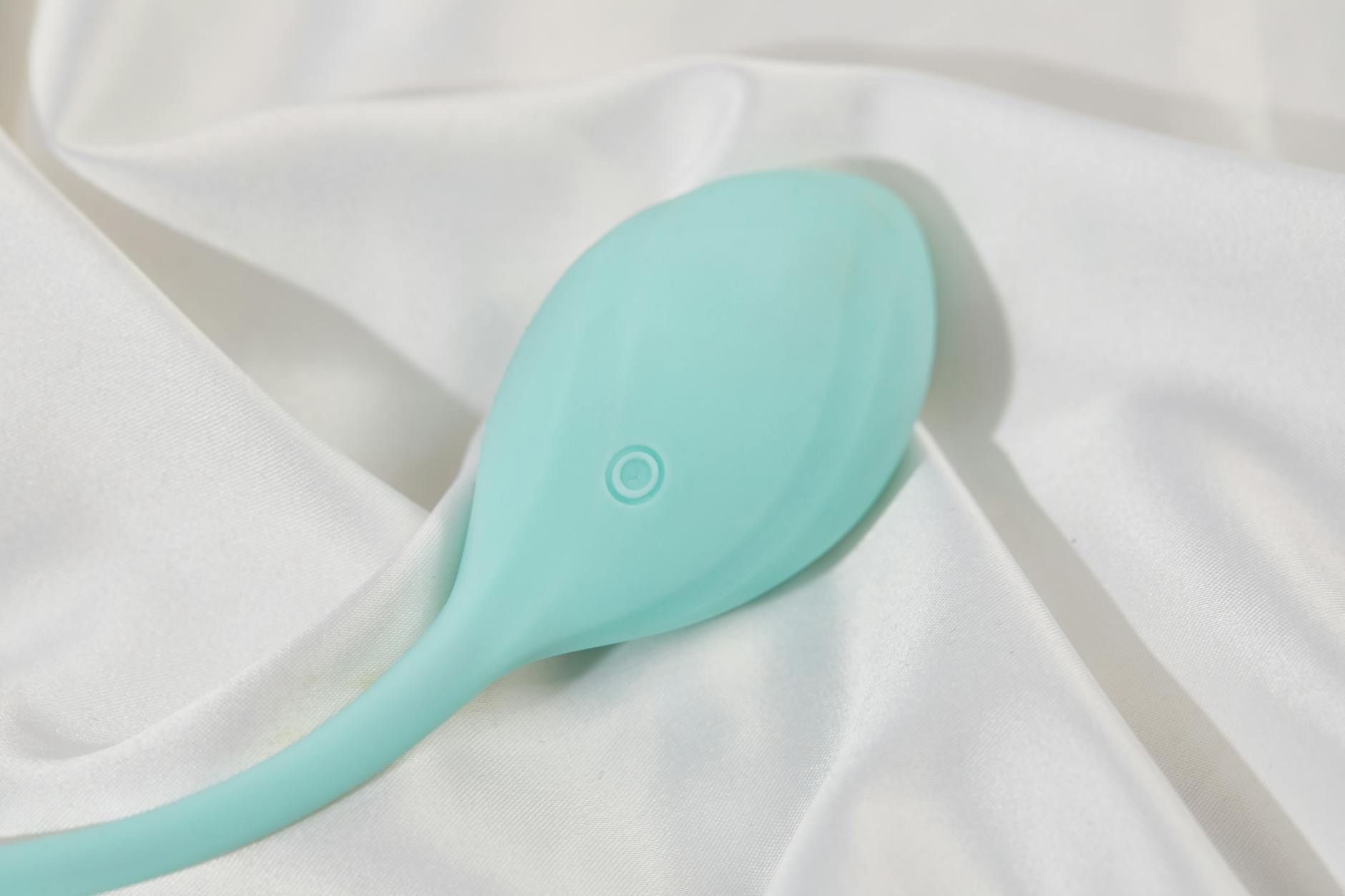
Photo by IFONNX Toys on Pexels
Oil, saliva, and the lube options nobody talks about
Not every lubricant comes from a bottle. Some people use coconut oil, almond oil, or other plant-based oils. These work fine mechanically, but they carry a risk: they can clog pores and shift vaginal pH if they linger. They also require more soap to clean off completely, which is annoying after sex.
Saliva is free and accessible, but it dries out almost instantly. It might work for two minutes of foreplay, not for extended toy use.
The hybrid approach some people use: a tiny amount of water-based lube mixed with a small amount of oil for the luxe feel without the full silicone risk. This is a middle ground, not a perfect solution, but it exists.
For a lemon vibrator specifically, water-based is the straightforward, safest bet. Your toy stays in good condition, sensation remains clear, and cleanup is five seconds.
How much lube is actually enough
This varies wildly by person. Some clitorises are naturally more lubricated; others require external help regardless of arousal level. Some people prefer a thin layer; others want full glide.
A helpful starting point: apply a small amount (dime-sized) directly to the lemon vibrator's cup and another small amount to your clitoris. Press the toy gently in place and let it settle for a second. This gives you the seal and the transmission without oversaturation.
If it feels too dry during use, add more. If it feels sticky or like the lube is your entire sensation rather than the vibration, you've applied too much. You're looking for "just right," which takes maybe one or two experiments to figure out.
One thing I recommend: don't assume your natural lubrication is insufficient. During arousal, most people produce plenty. Lube isn't about being broken. It's about optimization and comfort. Even naturally lubricated people often feel a noticeable upgrade when they add external lube to toy play.
The sensitivity angle
If you have sensitive skin or have experienced irritation with other toys, lube becomes even more important. Water-based lubricant creates a buffering layer between the silicone and your delicate tissue, reducing the chance of micro-abrasions that cause irritation later. Toy sensitivity often isn't about the toy being harsh. It's about dry friction over time.
This is why lemon vibrators are particularly good for sensitive users: the suction mechanism is gentler than direct vibration to begin with. Add lube and you've removed almost all friction risk. You get sensation without the rawness some people experience with other clitoral vibrators.
Lube and different intensity settings
At lower intensities, lube matters more. The vibrations are subtler, so the quality of contact and transmission affects what you feel. Without lube at pattern 1 or 2, you might miss some of the nuance.
At higher intensities, the vibration is strong enough to overcome a dry surface. You'll still feel improvement with lube, but it's less dramatic.
If you're someone who likes to start at a lower intensity and build up, lube from the beginning helps you actually feel those early patterns. If you jump straight to patterns 5-7, you'll be fine without it, though you'll still benefit from adding it.
Cleanup and maintenance with lube
Lube does one thing that's genuinely annoying: it makes your toy slip out of your hand in the shower. This is minor but real. Dry hands, or a hand towel near the tub.
Otherwise, cleanup is easier with lube, not harder. Rinse with warm water, add a tiny bit of mild soap, rinse again. The lube comes off completely. Dry with a clean cloth and store in the provided case or a soft pouch.
Lube residue can sit on silicone if you're not thorough, but a proper rinse handles it. You're not dealing with anything sticky or permanent.
The bottom line
Using water-based lubricant with your lemon vibrator improves the experience noticeably. Better seal, clearer sensation, more comfort. It's a small thing that costs almost nothing and takes zero extra effort. If you've never tried your toy with lube, your next session should be the test run.
For more on getting the most from your lemon vibrator, I recommend exploring how to use a lemon vibrator for the first time if you're new to the experience. And if you've noticed sensitivity issues, why lemon vibrators work better for sensitive skin digs into the science behind comfort.
Your pleasure matters. Small details like lubrication are part of honoring that.
People also ask
Can I use coconut oil with my lemon clitoral vibrator?
You can, but I wouldn't make it a habit. Coconut oil works mechanically, but it's harder to clean off completely and can affect vaginal pH. If you do use it, make sure you rinse thoroughly afterward. Water-based lube is simpler and safer for regular use.
Will silicone-based lube ruin my lemon vibrator?
Yes, over time it will. Silicone lube breaks down silicone toys. It causes pitting, surface degradation, and eventually texture changes you'll feel. If you're attached to silicone lube, plan to replace your toy more frequently, or commit to water-based for toy longevity.
How long does water-based lube last during use?
Depends on you, but typically 10-20 minutes before you might want to reapply. Some people don't need to reapply at all. It dries faster than silicone-based, but most sessions are shorter than you think, so it's rarely an issue in practice.
Does lube change the sensation from my lemon vibrator?
It absolutely does, and most people prefer it. With lube, sensations feel smoother, more integrated, less like vibration grinding on skin. Without lube, you get more direct, almost sharper stimulation. Different, not better or worse. Try both and see what works for you.
What if I'm naturally very lubricated?
You can still use additional lube. Your body's natural lubrication plus external lube gives you a buffer against friction and often feels different than natural lubrication alone. It's not about being dry. It's about preference and optimization. Many naturally lubricated people find they enjoy toy play more with the addition of external lube.
Can I use lube with Hello Nancy's lemon vibrators on the lower intensity settings?
Yes, absolutely. In fact, lube becomes more important at lower settings because the vibrations are subtler. Lube helps you feel the nuance of patterns 1-3. At higher intensities, the vibration overpowers dry contact anyway, but lower settings benefit most from the improved transmission that lube provides.