Let's start with what you're actually experiencing
Your orgasms used to arrive like lightning. Now they feel more like warm water. You're not broken, and you're not alone. Something genuinely shifts in how your body responds to stimulation somewhere between your late twenties and mid-thirties, and almost nobody talks about it clearly.
Here's what's happening: your nervous system is maturing. The same thing that makes you calmer under stress and more grounded in relationships also means orgasms arrive with less drama and sometimes less intensity. It's not a loss. It's a recalibration. But if you want that peak sensation back, understanding why it changed is the first step.
The neurological shift that happens in your 30s
Your clitoris has roughly 8,000 nerve endings. All of them work the same way they did at 22. But the neurons that carry pleasure signals to your brain, and the brain regions that process them, become more selective as you age. This is called neural pruning, and it's not a bug. It's actually your nervous system becoming more efficient.
In your twenties, arousal is like a house with every light on. Your sympathetic nervous system (fight-or-flight) is hyperresponsive, adrenaline spikes fast, and orgasm feels explosive because your whole body is flooded with sensation. By 30, your nervous system has learned to be quieter. Your threshold for arousal activation raises slightly. The cascade of sensations feels more refined, which sounds nice in theory but often just feels like less.
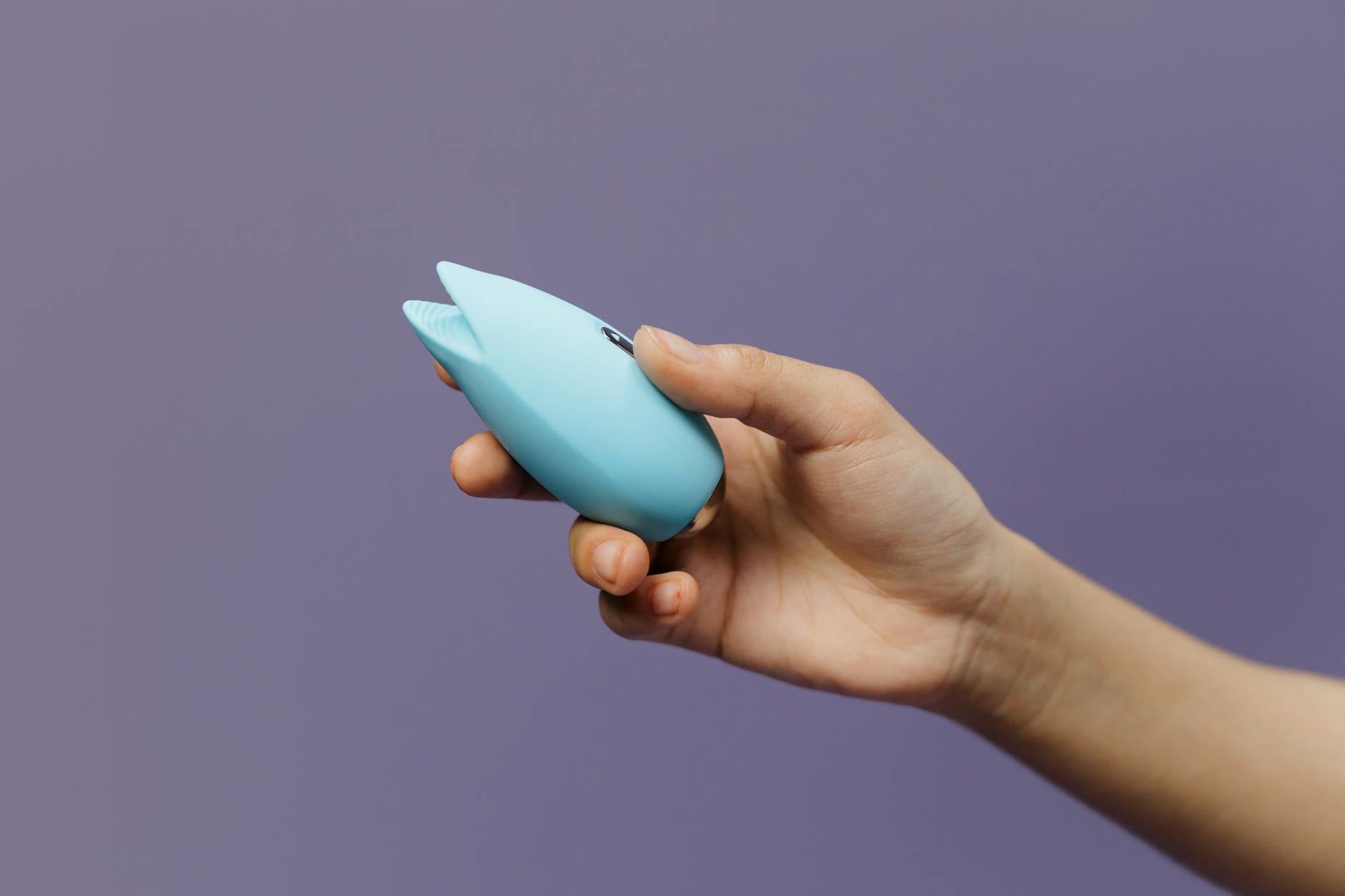
This is one reason why lemon vibrators become increasingly valuable in your 30s and beyond. Their focused suction mechanism works with your nervous system's shift rather than fighting it. Instead of broad vibration rattling across your entire vulva, the lem's air-pulse technology targets the clitoral complex in a way that feels more concentrated.
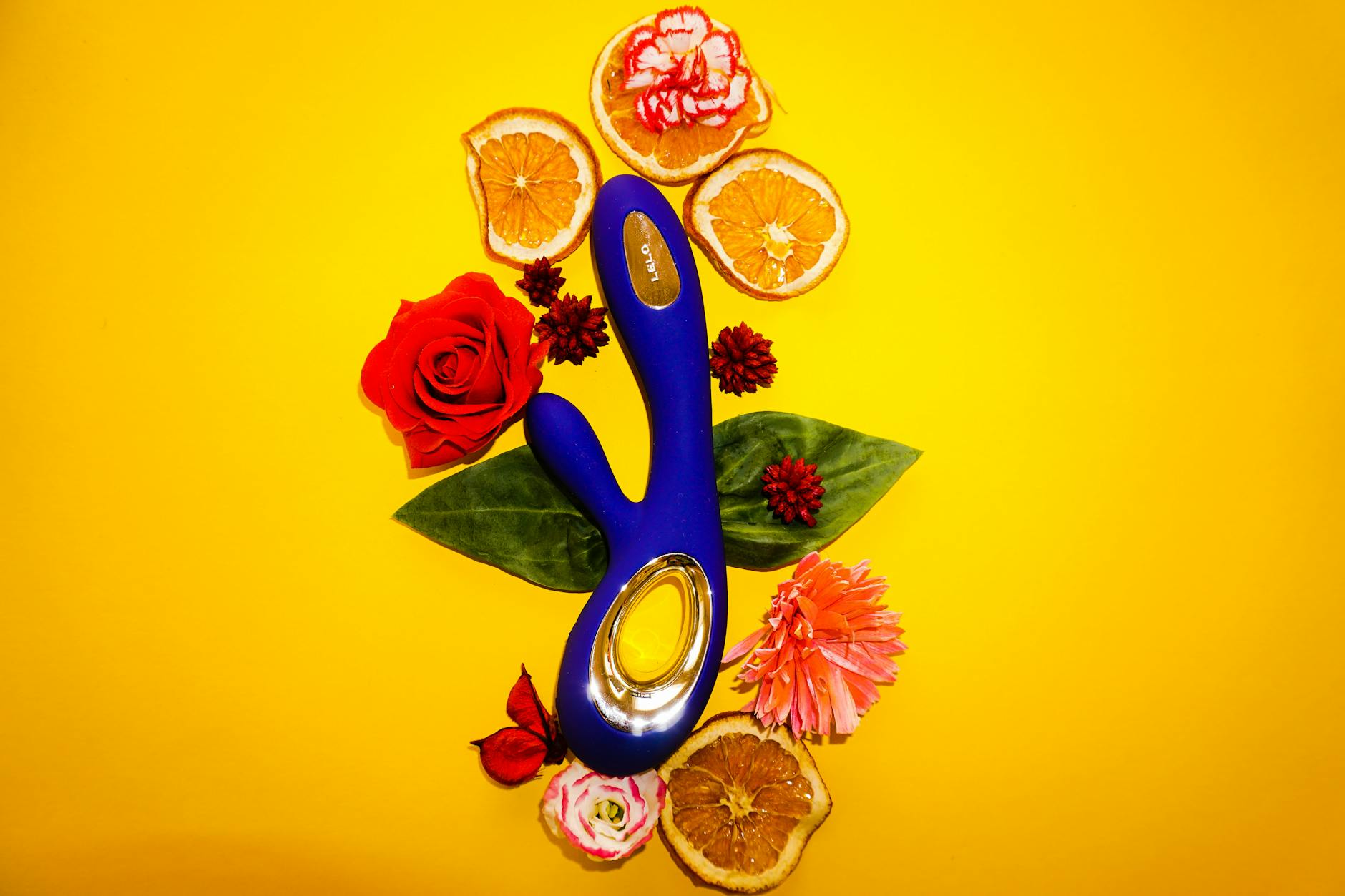
Photo by FounderTips on Pexels
Why intensity matters differently now
There's a difference between an orgasm that feels good and an orgasm that feels peak. In your 20s, you might have had both frequently. In your 30s, good becomes common, but peak becomes rarer. This isn't because your capacity changed. It's because what triggers peak has shifted.
Arousal now requires more sustained attention. Your brain needs to actually focus rather than just respond reactively. Mental distraction matters more. Stress matters more. Partner dynamics matter more. The plumbing works the same, but the electrical system needs better conditions.
This is also when many people shift from solo exploration to partnered sex as their primary or only outlet. Partners often don't know about this neurological change, so they're still doing what worked when you were 24. Surprise: it doesn't produce the same results. Many people mistake this for loss of desire, when it's really a change in the conditions required for intensity.
How traditional vibrators miss the mark
Standard vibrators work through constant stimulation at high frequency. They work brilliantly when your nervous system is hyperresponsive. But as your neural threshold rises, you need either escalating intensity (which can numb tissue over time) or a fundamentally different mechanism.
This is the gap that lemon clitoral vibrators fill. The lem's air-suction technology doesn't vibrate. It creates pulses of gentle pressure that stimulate a larger area of the clitoral complex at once. For someone in their 30s with a more mature nervous system, this feels like finally having the right tool.
Many people report that when they switch from traditional vibrators to lemon vibrators, orgasms return to that peak intensity they thought was behind them. Not because anything was wrong with their bodies, but because the mechanism matched their nervous system's actual needs.
The psychology piece nobody mentions
Intensity isn't just physical. By 30, you've probably internalized more cultural messaging about what your body should do and feel like. You might be comparing yourself to memories of your 20s, which is unfair but human. You might also have more life stress, less consistent sleep, different relationship dynamics.
Your 30s brain is also different in ways that matter for pleasure. The part of your brain that evaluates threat (your amygdala) becomes less reactive, but your prefrontal cortex (executive function and self-awareness) gets stronger. You're literally more aware of yourself during sex, which is great for intimacy but can reduce that loss-of-self intensity.
Here's what helps: actually using a tool designed for where you are now, not where you were. The lemon vibrators aren't a workaround. They're engineered for adult nervous systems. Using them is an act of accepting your body's actual needs rather than mourning its 20-year-old reflexes.
What changes when you make the switch
Most people notice three things when they start using a lem vibrator for the first time.
First, sensation spreads differently. Instead of feeling localized and surface-level, stimulation reaches deeper into the clitoral structure. Your orgasms feel more three-dimensional, more complex. Many describe it as fuller or rounder.
Second, arousal builds faster. The suction mechanism works with your nervous system rather than against it. You need less warm-up time than you might expect, which is unusual if you've been told arousal always takes longer after 30.
Third, intensity returns without overstimulation. You can actually reach that peak sensation you remember without your tissues feeling angry about it afterward. This is huge for people who've been avoiding high-intensity stimulation because it felt too much.
You can explore lemon vibrators through our buying guide, which walks you through choosing the right intensity level for your current sensitivity.
The partner conversation that matters
If you're in a relationship, your 30s orgasm shift affects both of you. Your partner might feel like something's wrong. You might feel like you're demanding too much. But you're actually just describing a normal neurological change.
The conversation worth having: "My body's arousal pattern shifted, and it needs different things now." This isn't a complaint about your partner. It's information. Then you can explore together, which often means one person using a tool while the other is involved.
Many couples find that exploring lemon clitoral vibrators together actually deepens connection because both people are investing in pleasure again rather than running on habit. The lem isn't a replacement for a partner. It's a way of saying your pleasure matters enough to get intentional about it.
Timing, stress, and other real factors
Intensity changes aren't purely neurological. Your 30s often come with busier careers, relationship transitions, health changes, or family pressure. Chronic stress literally dampens the neurotransmitters that drive orgasm. So does poor sleep, inconsistent exercise, and certain medications.
If your orgasm intensity dropped sharply alongside major life change, that's worth noticing separately. A lemon vibrator might help with the sensation piece, but addressing the stress or sleep might matter just as much.
That said, using a tool that works with your actual nervous system can also reduce frustration, which reduces stress, which can help restore intensity on its own. It's not magic. It's just good design meeting real biology.
When to check in with a professional
If orgasm intensity is completely absent, or if it feels painful rather than just different, that's worth talking to a gynecologist about. Hormonal changes, pelvic floor tension, or certain medications can genuinely affect sensation in ways that go beyond normal aging.
But if you're noticing a gradual softening of intensity rather than a sudden loss, you're experiencing one of the most common and totally normal shifts that happens in your 30s. And you're in a great position to address it with tools that actually fit how your body works now.
What comes next
Your 30s aren't the beginning of declining pleasure. They're the beginning of knowing what you actually want. The intensity you're missing isn't gone. It's waiting for you to use something that matches your real needs instead of your 20-year-old reflexes.
Lemon vibrators work because they're built for adult bodies with mature nervous systems. That's not a compromise. That's an upgrade.
People also ask
Why do orgasms feel different after 30?
Your nervous system matures between your late 20s and mid-30s. Neural pruning makes your brain more selective about which signals reach your pleasure centers. Your sympathetic nervous system becomes less hyperresponsive, which means arousal requires more focused conditions. This is completely normal and doesn't mean your capacity for pleasure declined. It means the conditions required to reach peak intensity shifted.
Can you restore orgasm intensity, or is it just part of aging?
Intensity can absolutely return. It's not a permanent loss. The key is using tools and approaches designed for your actual nervous system now, not trying to recreate your 20s physiology. Many people find that lemon vibrators restore that peak sensation because their mechanism works with, rather than against, adult neural thresholds.
Do lemon vibrators work for everyone, or just certain people?
Lemon vibrators work differently for different people depending on clitoral anatomy, sensitivity, and what your nervous system responds to. Most people notice an immediate difference because the suction mechanism is fundamentally different from traditional vibration. If you're curious about whether a lem vibrator is right for you, our buying guide breaks down sensitivity levels and what to expect.
Is decreased orgasm intensity a sign something's medically wrong?
Usually, no. A gradual softening of intensity in your 30s is a normal neurological shift. But if intensity disappeared suddenly, or if you feel pain during orgasm, that's worth checking with a gynecologist. Certain medications, hormonal changes, or pelvic floor issues can genuinely affect sensation beyond normal aging.
How long does it take to feel a difference with a lemon vibrator?
Most people notice something different on the first use. The sensation is usually more concentrated and spreads differently than traditional vibrators. Whether that translates to restored peak intensity depends on your anatomy and how much intensity loss was tied to nervous system changes versus stress or other factors. Give yourself at least three uses before deciding if it's right for you.
Should I use a lemon vibrator alone or with a partner?
Both. Solo exploration helps you understand what your body actually responds to now, which makes partnered sex better. Many people find that using a lemon vibrator with a partner present (even without direct involvement) changes the dynamic because both people are paying attention to pleasure again. Start where feels most comfortable and expand from there.