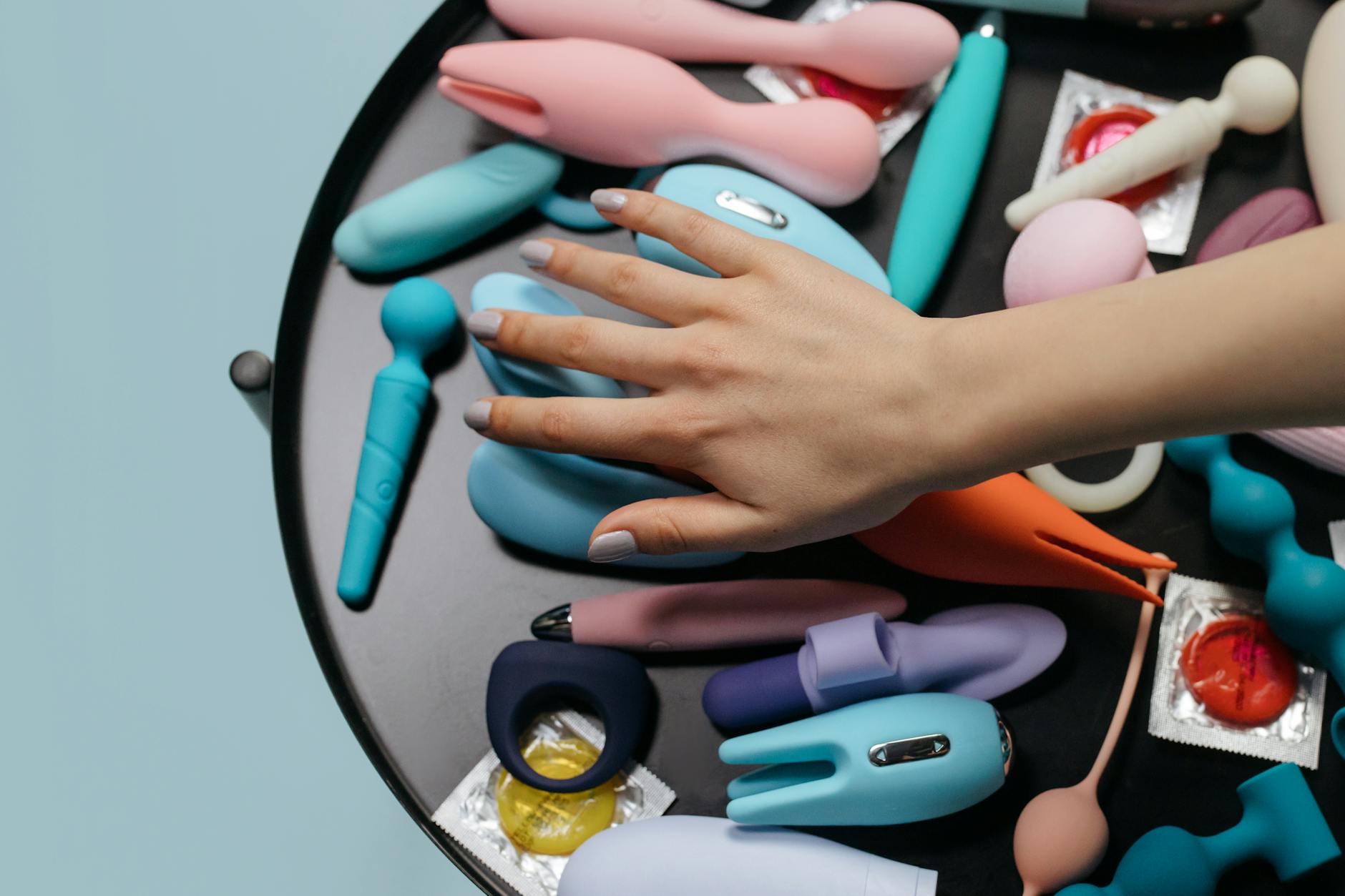
How Lemon Vibrators Help When You Want Intense Orgasms But Worry About Overstimulation
Here's the thing nobody tells you about chasing intensity. The moment you find something that delivers the kind of orgasm you've been searching for, the fear kicks in. What if it stops working? What if I get numb? What if I need it stronger next time?
That's not paranoia. That's a real pattern, and it happens because most traditional vibrators lock you into an all-or-nothing choice. You're stuck between gentle and overwhelming, with almost no gradual pathway between them.
Lemon vibrators, especially air-suction models like the Lem, work differently. They're built on a principle that sounds simple but changes everything. You control the intensity, the pattern, and the rhythm. Not someday. Right now.
Why overstimulation feels like it's happening to you, not with you
When you're using a traditional vibrator at high speed, your nervous system is receiving a constant barrage of stimulation. The clitoris has thousands of nerve endings packed into a tiny space, and maxing out frequency numbs those nerves rather than heightening them. After about 15-20 minutes at high intensity, sensation starts to flatten. You chase it harder. Your body responds less. The cycle repeats.
It's not weakness or a sign you're "broken". It's physics. Constant high-frequency input desensitizes the very receptors you're trying to stimulate.
Air-suction technology changes the input profile entirely. Instead of relentless vibration, you're getting rhythmic pulses of gentle pressure and release. The on-off pattern gives your nerve endings time to reset between pulses, which means sensation stays sharp throughout. That's why people report longer, more intense orgasms without the numb-out at the end.
The pattern-switching advantage that makes a real difference
One of the biggest differences between a lemon clitoral vibrator and a traditional vibrator is pattern variety. The Lem has multiple patterns, each with its own pulse rhythm and intensity curve. This isn't just for novelty.
When you switch patterns mid-session, you're essentially rebooting your sensory receptors. Your body has adapted to pattern A, so you swap to pattern B. Suddenly, sensation feels fresh again. No need to crank up the intensity. You've just reset the equation.
This is especially powerful if overstimulation has been a blocker for you. You can start at a lower overall intensity, switch patterns as needed, and build pleasure in layers instead of one long, crushing wave. Most people find they actually reach deeper orgasms this way because the nervous system stays engaged instead of shutting down.
Starting low and building your way up (the method that actually works)
If you're someone who's tried intense vibrators and hit a ceiling, the instinct is often to go even harder next time. That's backward. What you actually need is a device that lets you start lower and build methodically.
Here's how it works with a lemon vibrator:
Start at pattern 1 or 2. Not because you like it more, but because you're giving your nervous system clear information about what's coming. Spend 2-3 minutes here. Let arousal build naturally. Then move to pattern 3 or 4. Spend another few minutes.
By the time you reach higher intensities, your body is already in a state of heightened arousal. Orgasms that build this way tend to be longer and more satisfying because they're not triggered by sensory overload. They're the result of accumulated pleasure.
This matters especially if you're someone who's been burned by overstimulation before. You're not forcing a fast climax. You're creating conditions where intensity feels sustainable.
Why the Lem feels different than what you've tried before
Traditional vibrators use electromagnetic motors that buzz at a fixed frequency, usually 50-80 times per second. Your clitoris adapted to that frequency within about 3-5 minutes, which is why intensity creep is real.
The Lem uses air-pulse technology that creates a gentle suction sensation. The frequency is lower. 15-20 pulses per second means your nerve endings have actual recovery time between stimulations. Sensation stays sharp. Orgasms stay intense. And you don't hit that desensitization wall.
Many people say it feels less like "buzzing" and more like the sensation of a partner using their mouth, which is why pleasure stays consistent through a longer session.
Building tolerance vs. building pleasure (they're not the same thing)
There's an important distinction here. Building tolerance means your body needs more to feel the same thing. Building pleasure means you're experiencing more satisfaction at the same or lower intensity.
When you use a device that numbs you out, you're building tolerance. You need more next time. When you use something like a lemon clitoral vibrator with multiple patterns and intensity layers, you're building pleasure. You're learning your body's response curve and working within it.
The difference is practical. With tolerance, you end up on an escalator with nowhere to go. With pleasure, you end up with a deeper, more nuanced experience that sustains itself. Which one sounds like something you actually want?
When to pull back and why it matters
One mistake I see often. Someone finds a pattern or intensity that feels amazing, and they stay there the entire time. No switching. No variation. Just riding that wave.
Understandable impulse. But neuroscience says that's exactly when you should change something.
When pleasure plateaus (and you'll feel it, usually around the 15-minute mark), that's not a sign to push harder. That's a sign to shift. Switch the pattern. Lower the intensity for 30 seconds. Change your breathing. Move your position slightly.
These tiny interventions keep sensation fresh and prevent the numbness that makes you chase intensity in the first place. You're working with your nervous system instead of against it.
The difference between overstimulation and the orgasm afterward
After an intense orgasm, especially if you've been building toward it gradually, it's normal to feel some sensitivity in the clitoral area. That's not overstimulation. That's satiation. There's a meaningful difference.
Overstimulation is numbness or discomfort during or immediately after. It feels like your body is shutting down. Satiation is tenderness, which is your body saying "I just had something really good, and I need a breather."
With lemon vibrators and thoughtful technique, you're much more likely to hit satiation than overstimulation. The gradual building process and pattern switching keep you in the pleasure zone instead of in the pain-numbing zone.
Pairing control with communication (if you have a partner)
If someone else is holding the device, this becomes more nuanced. You need to be able to say "pattern three" or "slower" without breaking the mood. Which means practicing that communication beforehand, ideally by using a lemon vibrator on your own first.
When you know your own pleasure map. When you've figured out which patterns work and which don't. When you understand your overstimulation triggers. Then you can communicate with a partner clearly. Not vaguely. Not in the middle of intense sensation when your brain is offline. But before, so they know what to do.
This is where solo exploration with a device you actually control becomes a gift to partnered pleasure too. You're not trying to figure out your body while also managing someone else's input. You're solving that alone, then bringing that knowledge into a shared experience.
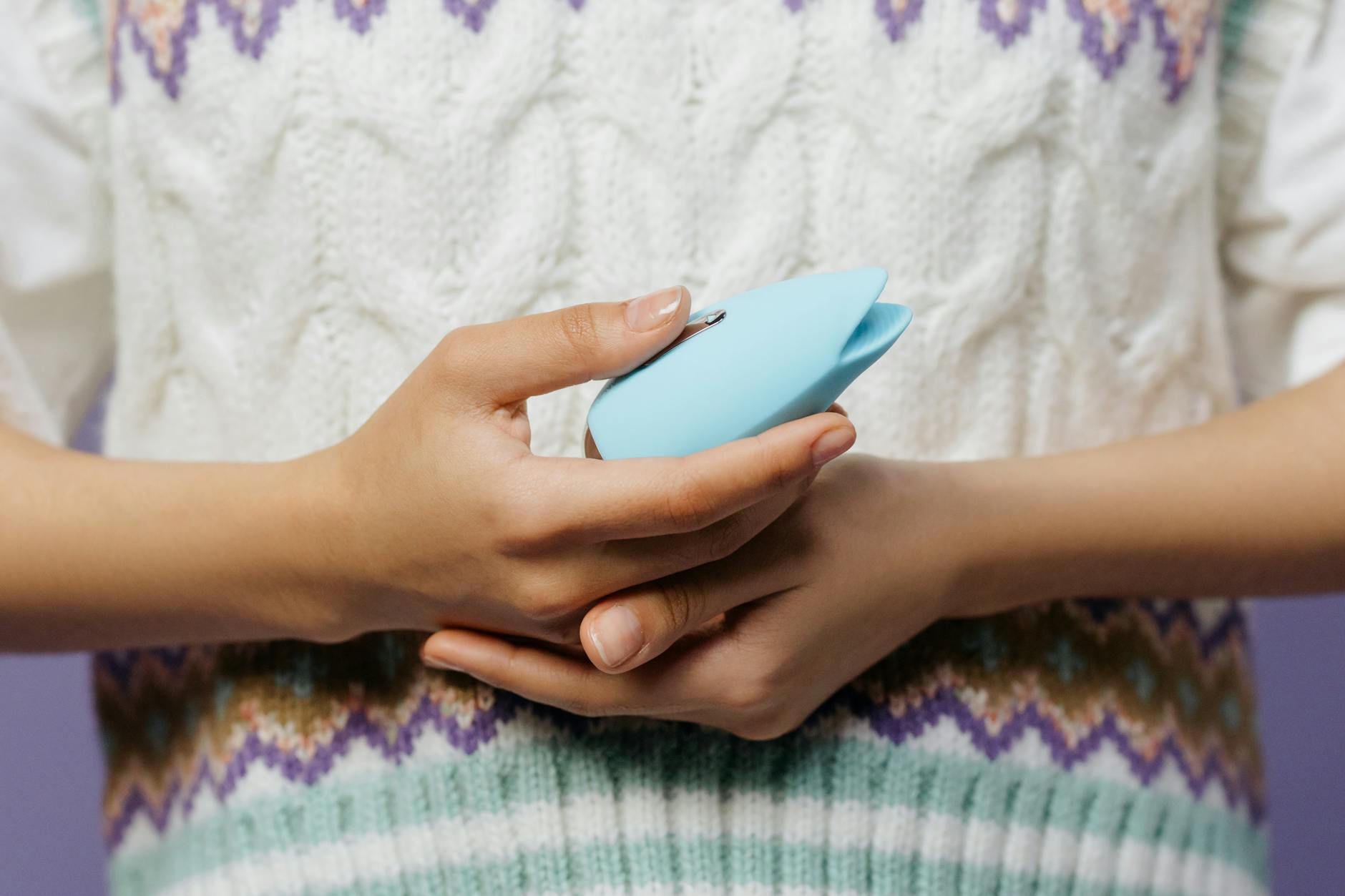
Photo by cottonbro studio on Pexels
FAQs about intense orgasms and overstimulation
Can you build back sensation if you've already numbed out from regular vibrators?
Yes. It takes patience, but yes. Stop using high-intensity devices for about two weeks. During that time, try something with variable patterns and lower overall intensity. The Lem is perfect for this because you have granular control. Your nerve endings will reset. You'll probably be shocked at how sensitive you become again. Then you can rebuild a sustainable pleasure practice that doesn't chase numbness.
Is it normal to need different intensity at different times of your cycle?
Completely normal. Hormonal fluctuations change clitoral sensitivity throughout your cycle. Right before ovulation, you might handle and want higher intensity. During luteal phase, you might prefer gentler stimulation. A device with multiple patterns and intensity levels lets you adapt in real time instead of fighting your body's natural rhythm.
What if intense sensation has started to feel anxiety-inducing instead of pleasurable?
That's often a sign of overstimulation happening too frequently. Your body is protecting itself by flagging intensity as unsafe. This is when you need to reset completely. Go low. Go slow. Use varied patterns and communication if you have a partner. Rebuild your relationship with intensity gradually. This might take weeks. It's worth it.
Can using a lemon vibrator train your body to need that exact sensation?
Not in the way you're worried about. You might develop a preference for this type of sensation (most people do, once they try it), but that's not the same as needing it. You can still experience pleasure without it. You just might find yourself gravitating toward it because it delivers better results with less physical toll on your nervous system.
How long should a session be to avoid overstimulation but still reach intensity?
Typically 20-30 minutes is the sweet spot if you're varying patterns and intensity. Anything over 45 minutes at consistent high intensity starts to flatten sensation. If you're doing 10-15 minutes of gradual building with pattern switching, you can often reach more intense orgasms than a longer, flat-intensity session. Quality over duration.
What's the difference between good sensitivity and oversensitivity?
Good sensitivity means your body responds quickly and strongly to appropriate stimulation. Oversensitivity is when light touch or low intensity feels uncomfortable or sharp. If you're dealing with oversensitivity, lower intensity and slower patterns on a lemon clitoral vibrator can help you recalibrate without forcing yourself to push through discomfort. It's gentle retraining, not numbing out from too much intensity.
Here's what you actually get when you stop chasing numbing intensity
You get orgasms that feel like something, not just the relief of buildup finally releasing. You get pleasure sessions where you're engaged the whole time instead of checked out by minute ten. You get consistency, meaning the experience is similar each time instead of wildly variable depending on what intensity you ended up at.
You get a sustainable relationship with your own pleasure, which might be the most valuable thing of all.
The Lem and other lemon vibrators are built on this principle. Not maximum intensity. Maximum control. That's the difference that changes everything.