
Why your pleasure went flat (and it's not in your head)
Let's be real. SSRIs work. They pull you out of the dark, steady your thoughts, make mornings possible again. And then they flatten something else entirely: your ability to feel pleasure, reach orgasm, or sometimes even notice that your partner is touching you. This side effect affects 40-60% of people on SSRIs, which means you're not broken, not alone, and not imagining it.
Here's the part nobody explains clearly: it's not that your genitals stopped working. It's that the signal between your brain and your body got muffled. SSRI antidepressants work by keeping more serotonin circulating in your brain. Serotonin is excellent for mood. It's also the neurochemical that says "this feels good, keep going." When there's too much of it, your nervous system starts to tune it out. Pleasure becomes like a radio station playing through static.
How SSRIs actually change the sensation pathway
Here's the neurobiology without the jargon. Your brain has receptors for serotonin, dopamine, and norepinephrine. During arousal, these three work together in a specific sequence. Dopamine creates the wanting. Norepinephrine creates the rush and focus. Serotonin creates satisfaction and the feeling of release. SSRIs boost serotonin so much that the dopamine and norepinephrine signals get crowded out. The result: your body still responds, technically, but the experience feels muted. Orgasms take longer, feel less intense, or don't arrive at all.
It's not a psychological block. It's a chemical one. And that matters because it means the fix isn't "relax more" or "try harder." The fix is understanding which tools actually work when your pleasure-sensing equipment is running on lower volume.
Why traditional vibrators don't cut it on SSRIs
Most vibrators rely on creating rapid oscillation. A standard vibe running at 5000 to 8000 vibrations per minute sends a consistent signal to your nerves. When you're not on SSRIs, that signal reaches your brain at normal volume. When you are on SSRIs, that same signal gets diluted. Your nervous system needs more to register a response. You end up turning up the intensity, extending the session, or feeling defeated when nothing happens.
That's where lemon vibrators work differently. The Lem and other air-suction adult toys don't vibrate. They pulse. They draw tissue into a gentle seal, create pressure, then release. The sensation is more textured, more varied. Instead of a steady hum that gets lost in the noise, you're getting a rhythm that changes. Pulse, release, pulse, release. That variation cuts through the serotonin fog. It's the difference between someone saying the same word over and over until you stop hearing it, and someone changing their inflection each time.
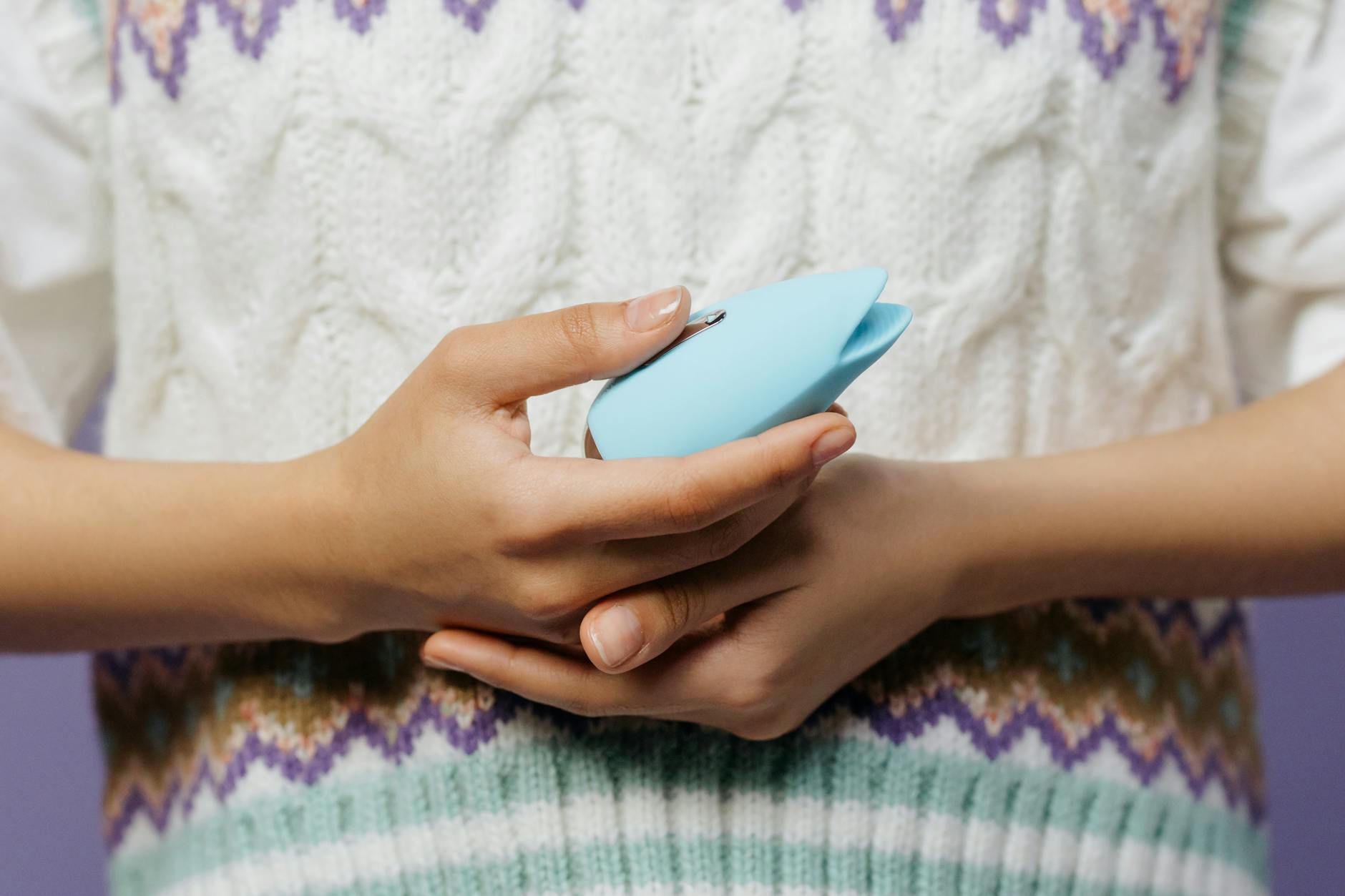
Photo by cottonbro studio on Pexels
The mechanics of suction versus vibration on muted nerves
When you're on an SSRI, your clitoris is still fully innervated. Nothing has changed anatomically. The issue is signal strength and registration. Suction toys like lemon sexual toys work by engaging more of the surrounding tissue, creating a fuller, more dynamic sensation. They're not just stimulating the surface. They're creating pressure, release, rhythm, and micro-variation in a single motion.
This is especially important for people experiencing delayed orgasm or anorgasmia on SSRIs. Traditional vibrators become exhausting because you need maximum intensity for maximum time. Suction toys engage the nervous system differently. They activate more nerve endings at once and give you texture in the sensation. The brain registers this as "something different is happening," and that difference keeps you in the experience instead of checking out mentally.
Most people report that air-suction adult toys like the Lem vibrator produce orgasm 15-25 minutes faster on SSRIs than standard vibrators. That's not accidental. It's neurological.
How to adjust your approach while on antidepressants
Five concrete changes that work:
1. Warm up longer, more deliberately. SSRIs slow arousal response. Budget 20-30 minutes instead of 10. Mental arousal matters more than usual. Read erotica, watch what actually turns you on, let your brain get there first.
2. Start with suction, not vibration. If you own both, begin with a lemon clitoral vibrator or similar suction device. Your body will respond faster. You can always add vibration later, but starting with it often leads to frustration.
3. Vary the intensity and pattern. SSRIs make monotony harder to tune out. Don't lock into one setting. If your suction toy has multiple patterns, switch between them every two to three minutes. This keeps your nervous system engaged.
4. Use a water-based lubricant. SSRI antidepressants can reduce natural lubrication. Quality lube isn't optional. It reduces friction resistance, which means less work for your body to register pleasure.
5. Manage your expectations about orgasm timing. On SSRIs, orgasm might take 20-40 minutes instead of 5. That's not a problem to solve. That's your new normal. When you stop fighting it and just settle in, pleasure actually returns faster.
When timing with your medication schedule helps
Here's something most doctors don't mention: SSRI levels peak at different times depending on your dose and formulation. If you take your SSRI in the morning, peak concentration is usually mid-afternoon. If you take it at night, it's highest while you sleep. Some people find that pleasure is slightly less muted 12-15 hours after taking their dose, when the medication is still working but not at absolute peak concentration.
This doesn't mean skipping doses or adjusting without talking to your doctor. It means noticing your own pattern. Some people find they feel more sensation in the evening if they take their SSRI at night. Others find mornings are better if they take it in the afternoon. This is deeply individual, and the variation is usually subtle. But it matters when everything counts.
If you find a window where sensation feels more available, protect it. Use it for solo exploration, for connection with a partner, for pleasure that feels like it's actually yours again.
Why lemon sexual toys specifically work better than alternatives
Lemon vibrators and similar air-suction toys have become increasingly popular with people managing SSRI side effects for specific reasons. Unlike traditional wand vibrators or vibrating eggs, suction toys don't rely on brute-force sensation. They create a sealed chamber. That chamber pulses. Your body has to engage with the rhythm, not just tolerate the vibration.
The research on antidepressants and sexual function shows that sensation loss is disproportionately tied to timing and intensity. Suction shifts both variables. It changes when and how sensation arrives. For a nervous system running quiet, that's the difference between feeling nothing and feeling something real.
The conversation with your doctor that usually doesn't happen
Most people on SSRIs never tell their prescriber about sexual side effects, and most prescribers don't ask. This is a gap. A few important things to know:
If your SSRI is working for your mental health but killing your pleasure, switching to a different SSRI sometimes helps. Bupropion, for instance, often has fewer sexual side effects because it works on dopamine and norepinephrine, not serotonin. That said, not every medication switch is practical or right for you.
If the SSRI you're on is the right one for your mental health, staying on it is the right call. Your mental stability matters more than any one side effect. The tools like lemon adult toys exist exactly for this reason: to help you reclaim sensation while staying on medication that keeps you well.
Having this conversation with your prescriber opens the door to real solutions. They might suggest timing adjustments, augmentation strategies, or medication swaps. At minimum, you won't be suffering in silence.
The bottom line on SSRIs and pleasure
Antidepressants are not the enemy of pleasure. They're a tool that sometimes requires you to find different tools for sensation. Lemon clitoral vibrators and suction devices work where traditional toys struggle because they engage your nervous system through variation and pattern instead of relying on intensity alone. You can absolutely have good mental health and good sexual pleasure. They just might not arrive the same way they did before medication.
Your orgasm hasn't disappeared. It's just learned to speak a different language. And you can learn to listen.
People also ask
Can I switch SSRIs to get sexual function back?
Sometimes. Different SSRIs affect sexual function differently, and some antidepressants like bupropion have fewer sexual side effects. That said, the SSRI that works best for your depression might be the one that affects pleasure most. Talk with your prescriber about your specific situation. Switching for sexual function alone isn't always the right call if your current medication is keeping you stable. In many cases, finding the right tools and techniques works better than medication changes.
How long do SSRI sexual side effects last if I stay on the same medication?
For some people, the body adapts over weeks or months. For others, the side effects persist as long as you're on the medication. There's no universal timeline. Most people see some adaptation in the first 4-8 weeks, but then stability. After that, sexual function usually stays the same until and unless you change doses or medications.
Are lemon vibrators better than suction toys made by other brands?
Suction-based adult toys in general work well for SSRI-related sensation loss because they rely on rhythm and variation rather than intensity. The Lem vibrator and similar lemon sexual toys are popular choices, but the mechanism matters more than the specific brand. Any well-designed suction device that pulses smoothly will likely outperform traditional vibrators for muted sensation. Choose based on size, noise level, and design that appeals to you.
Will adding a vibrating layer to suction help?
Some suction toys now include both suction and vibration. For SSRI users, starting with pure suction is usually better. You can always add vibration mode as you explore. Mixing both from the start sometimes overwhelms the nervous system without adding real benefit. Let suction be your baseline, then experiment from there.
Is reduced orgasm intensity on SSRIs permanent?
Not necessarily. It depends on your body, your specific SSRI, and your dose. Some people find that using the right tools (like lemon clitoral vibrators) helps them reach orgasm more easily, which can actually increase intensity over time. Others find that orgasms stay milder but become more consistent. The key is working with your body's new parameters rather than fighting them.
How do I know if my sexual side effects are from SSRIs or something else?
Timing is the biggest clue. If your sexual function changed when you started the SSRI, or got worse when your dose increased, SSRI side effects are likely the culprit. Keep a simple log: note your medication changes and any shifts in sensation, arousal, or orgasm. Bring this to your doctor. They can help you figure out whether it's the SSRI, another medication you're on, stress, relationship factors, or a combination.
Final word
Your pleasure matters, even (especially) when you're managing mental health through medication. The path to reclaiming it isn't through willpower or trying harder. It's through understanding how your nervous system has changed and choosing tools and techniques that work with that change, not against it. If you want to explore more about how lemon vibrators help restore sensation after physical challenges, or learn more about using lemon vibrators correctly when dealing with sensitivity issues, Hello Nancy has resources built exactly for this.
Your orgasm is still in there. You're just using a different map to find it.